-
This offering is currently in beta review.
Learning Objectives
- Recognize children’s increased vulnerability to toxic exposures.
- Describe the priorities of disaster scene staging when a hazardous materials incident has occurred.
- Describe the clinical presentation and management of common toxic exposures encountered in disaster scenarios.
-
-
-
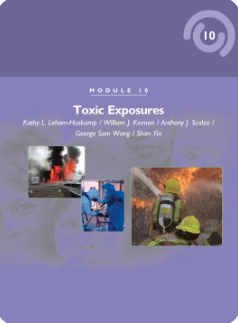
Module 10: Toxic Exposures
What this video covers: Learn how to recognize and manage toxic exposures in children during disaster scenarios, including why children are especially vulnerable, how to approach hazardous materials incidents safely, and how to identify the clinical presentation and management priorities for common toxic exposures. The module objectives specifically include pediatric vulnerability, disaster scene staging during hazardous materials events, and management of common toxic exposures.
Why it matters: Disasters can increase the risk of exposure to chemicals, smoke, contaminated water, industrial materials, and other hazardous substances. Children may be affected more quickly or severely because of their size, developmental behaviors, breathing patterns, and dependence on adults for protection and evacuation. Early recognition, safe scene management, decontamination when needed, and timely treatment help protect children, families, responders, and healthcare teams.
Questions to keep in mind while viewing:
-
How are children uniquely vulnerable to toxic exposures during disasters or hazardous materials incidents?
-
What priorities guide scene safety, staging, triage, and patient movement when hazardous materials may be present?
-
How can providers recognize the signs of common toxic exposures and begin appropriate management in resource-limited or disaster settings?
-
-
-
-
-
-
Interactive Cases: Toxic Exposures
Step into interactive global child health scenarios focused on toxic exposures in children during disaster and resource-limited settings. This activity challenges learners to recognize potential environmental, chemical, and household exposures; assess pediatric risk; and make timely care decisions when information, diagnostics, supplies, or specialty consultation may be limited.
Through realistic decision points, learners take an active role in identifying possible sources of toxic exposure, assessing symptoms and severity, prioritizing immediate interventions, and adapting management plans to the resources available. The scenarios emphasize the unique vulnerabilities of children, including their developmental behaviors, smaller body size, higher respiratory rates, and increased risk for rapid deterioration after exposure to harmful substances.
In this problem-based learning exercise, available in both English and Spanish, you will learn:
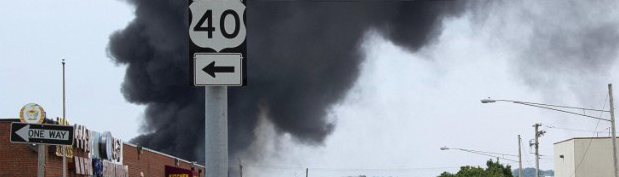
- Recognition of common toxic exposures affecting children after disasters
- Rapid assessment of pediatric patients with suspected exposure
- Identification of danger signs and clinical deterioration related to toxic exposure
- Prioritization of decontamination, stabilization, and supportive care when resources are limited
- Use of practical, context-appropriate management strategies in crisis settings
- Communication with caregivers and interprofessional team members
- Application of global child health principles to the assessment and management of toxic exposures in disaster and resource-limited environments
If you encounter unfamiliar material while working through the cases, consult the Interactive Book for additional guidance and learning.
-
-
-
-
-
Take a deeper dive into the concepts for module 10 with the multimedia interactive book.
-
-
-
I’ve completed all required elements for Module 10: Toxic Exposures.
Earn 1.0 PPN Contact Hour / CE Credit + Certificate of Completion
Claim My Credit or Certificate
To claim credit:
Step 1: Log in to PPN CE or create an account if you are a new user. Be sure to select your profession during account setup.
Step 2: On the PPN CE course page, click the blue Register button, then the red Take Course button, followed by the red Start Course button.

Step 3: Enter your attendance code BABRUC
Step 4: Follow the prompts to complete the quiz and evaluation until the page reads "Course Complete."
Once complete, your credit and/or certificate will be available under My Activities → Completed Activities.
Start on the course page here.
Please see our guide for detailed instructions with screenshots and a link to request additional support, click here.