• This offering is currently in beta review.

    Learning Objectives

    • Identify characteristics that determine resilience and vulnerability in children and adolescents.
    • Create action plans to address mental health needs of children and adolescents to disasters.
    • Describe the role of the pediatrician to prevent and detect mental health needs in a disaster response.
      • Video Lecture (Required for CE)

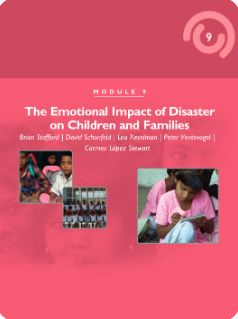
        • Module 9: The Emotional Impact of Disaster on Children and Families

          What this video covers: Learn how disasters can affect the emotional and behavioral well-being of children and families, including how responses may vary by age, developmental stage, prior experiences, and level of exposure. The video focuses on recognizing common stress reactions, identifying when children may need additional mental health support, supporting caregivers, and connecting families with appropriate community-based resources.

          Why it matters: Disasters can create both immediate and long-term emotional challenges for children, including fear, grief, anxiety, depression, post-traumatic stress symptoms, behavior changes, and disruptions in school or family functioning. Understanding these effects helps healthcare providers, responders, educators, and caregivers offer developmentally appropriate support, restore a sense of safety and routine, and recognize when referral for specialized care is needed.

          Questions to keep in mind while viewing:

          • How can a child’s age, developmental stage, and family situation influence their emotional response to a disaster?

          • What signs may indicate that a child’s stress response requires additional mental health support or referral?

          • How can caregivers, healthcare providers, schools, and community resources work together to support children and families during disaster recovery?

      • Interactive Case Scenarios (Required for CE)

        • Interactive Cases: The Emotional Impact of Disaster on Children and Families

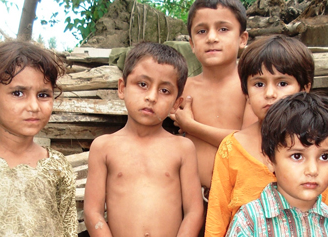
          Step into interactive global child health scenarios focused on the emotional impact of disaster on children and families. This activity challenges learners to recognize how disasters, displacement, loss, uncertainty, and disrupted routines can affect children’s emotional well-being, caregiver functioning, and family resilience in crisis and resource-limited settings.

          Through realistic decision points, learners take an active role in identifying signs of distress, supporting children and caregivers, and applying developmentally appropriate communication strategies during and after a disaster. The scenarios emphasize the unique emotional and behavioral needs of children following emergencies, including fear, grief, separation concerns, changes in behavior, and the importance of caregiver support, safety, routine, and connection.

          In this problem-based learning exercise, available in both English and Spanish, you will learn:
          • Recognition of emotional and behavioral responses to disaster in children and families
          • Identification of children and caregivers who may need additional support
          • Developmentally appropriate communication with children during crisis situations
          • Strategies to promote psychological safety, stabilization, and family resilience
          • The role of caregivers, routines, and trusted relationships in recovery
          • Interprofessional communication and referral considerations for mental health and psychosocial support
          • Application of global child health principles to the emotional care of children and families affected by disaster

          If you encounter unfamiliar material while working through the cases, consult the Interactive Book for additional guidance and learning.  
      • Interactive Slides (Optional for CE)

        • The slides below cover content from the module lecture video.

          You can also download the slidepack from here (PPT format) and here (PDF format)

      • Interactive Book (Optional for CE)

        •  

          Take a deeper dive into the concepts for module 9 with the multimedia interactive book.

          Launch the Interactive book

    • I’ve completed all required elements for Module 9: The Emotional Impact of Disaster on Children and Families.

      Earn 1.0 PPN Contact Hour / CE Credit + Certificate of Completion

      Claim My Credit or Certificate

      To claim credit:

      Step 1: Log in to PPN CE or create an account if you are a new user. Be sure to select your profession during account setup.

      Step 2: On the PPN CE course page, click the blue Register button, then the red Take Course button, followed by the red Start Course button.

      Register, Take Course, and Start Course buttons

      Step 3: Enter your attendance code VUTZUY

      Step 4: Follow the prompts to complete the quiz and evaluation until the page reads "Course Complete."

      Once complete, your credit and/or certificate will be available under My Activities → Completed Activities.

      Start on the course page here.

      Please see our guide for detailed instructions with screenshots and a link to request additional support, click here.