-
This offering is currently in beta review.
Learning Objectives
- Prepare for neonatal resuscitation through planning, recognizing risks, and knowing needed equipment
- Identify the newborn making a normal transition immediately after birth
- Identify the newborn requiring resuscitation
- Describe and apply effective neonatal resuscitation interventions.
-
-
-
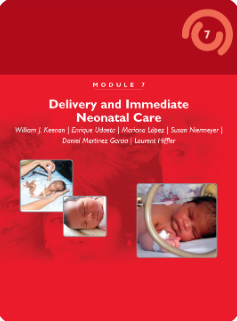
Module 7: Initial Care of the Newborn
What this video covers: Learn how to prepare for delivery and provide immediate care for newborns in disaster, rural, or resource-constrained settings. The video focuses on recognizing whether a newborn is transitioning normally after birth, identifying when resuscitation is needed, and applying essential neonatal resuscitation interventions using appropriate planning, equipment, and team readiness.
Why it matters: Newborns may require rapid assessment and immediate support in the first moments after birth, especially when disasters or limited resources affect staffing, supplies, transport, and access to specialty care. A clear, organized approach to newborn assessment and resuscitation helps providers act quickly, support breathing and circulation, and improve outcomes for infants in high-risk settings.
Questions to keep in mind while viewing:
-
How can providers recognize whether a newborn is making a normal transition after birth or needs immediate resuscitation?
-
What planning, risk recognition, and equipment preparation are essential before a delivery in a resource-constrained setting?
-
How should healthcare teams apply neonatal resuscitation steps when time, supplies, or specialty support are limited?
-
-
-
-
-
-
Interactive Cases: Delivery and Immediate Neonatal Care
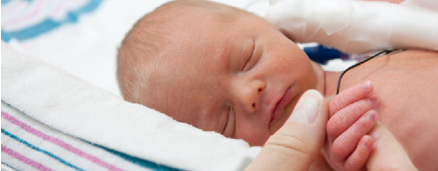
Step into interactive global child health scenarios focused on delivery and immediate neonatal care in disaster and resource-limited settings. This activity challenges learners to apply clinical judgment, prioritize essential newborn interventions, and support both mother and baby when supplies, staffing, referral pathways, or routine birth systems may be disrupted.
Through realistic decision points, learners take an active role in preparing for delivery, assessing the newborn immediately after birth, recognizing signs of distress, and initiating timely care during the critical first minutes of life. The scenarios emphasize the unique vulnerabilities of newborns following disasters and humanitarian emergencies, including risks related to birth complications, hypothermia, infection, respiratory distress, and delayed access to advanced care.
In this problem-based learning exercise, available in both English and Spanish, you will learn:
- Preparation for safe delivery in disaster and resource-limited settings
- Recognition of neonatal danger signs and clinical deterioration
- Immediate assessment of the newborn after birth
- Essential newborn care, including warming, drying, stimulation, and early support
- Prioritization of care when equipment, staffing, or referral options are limited
- Communication with caregivers and interprofessional team members
- Application of global child health principles to delivery and immediate neonatal care in crisis settings
If you encounter unfamiliar material while working through the cases, consult the Interactive Book for additional guidance and learning.
-
-
-
-
-
Take a deeper dive into the concepts for module 7 with the multimedia interactive book.
-
-
-
I’ve completed all required elements for Module 7: Delivery and Immediate Neonatal Care.
Earn 1.5 PPN Contact Hours / CE Credit + Certificate of Completion
Claim My Credit or Certificate
To claim credit:
Step 1: Log in to PPN CE or create an account if you are a new user. Be sure to select your profession during account setup.
Step 2: On the PPN CE course page, click the blue Register button, then the red Take Course button, followed by the red Start Course button.
Step 3: Enter your attendance code JURTED
Step 4: Follow the prompts to complete the quiz and evaluation until the page reads "Course Complete."
Once complete, your credit and/or certificate will be available under My Activities → Completed Activities.
Start on the course page here.
Please see our guide for detailed instructions with screenshots and a link to request additional support, click here.