-
Module 2 Learning Objectives
- Differentiate between public health priorities and individual care in disaster settings.
- Describe population evaluation tools and emergency needs assessments.
- Recognize leading causes of under-five mortality in disasters.
-
-
-
There are three videos below which are required for CE: General Information, Tutorial 1, and Tutorial 2.
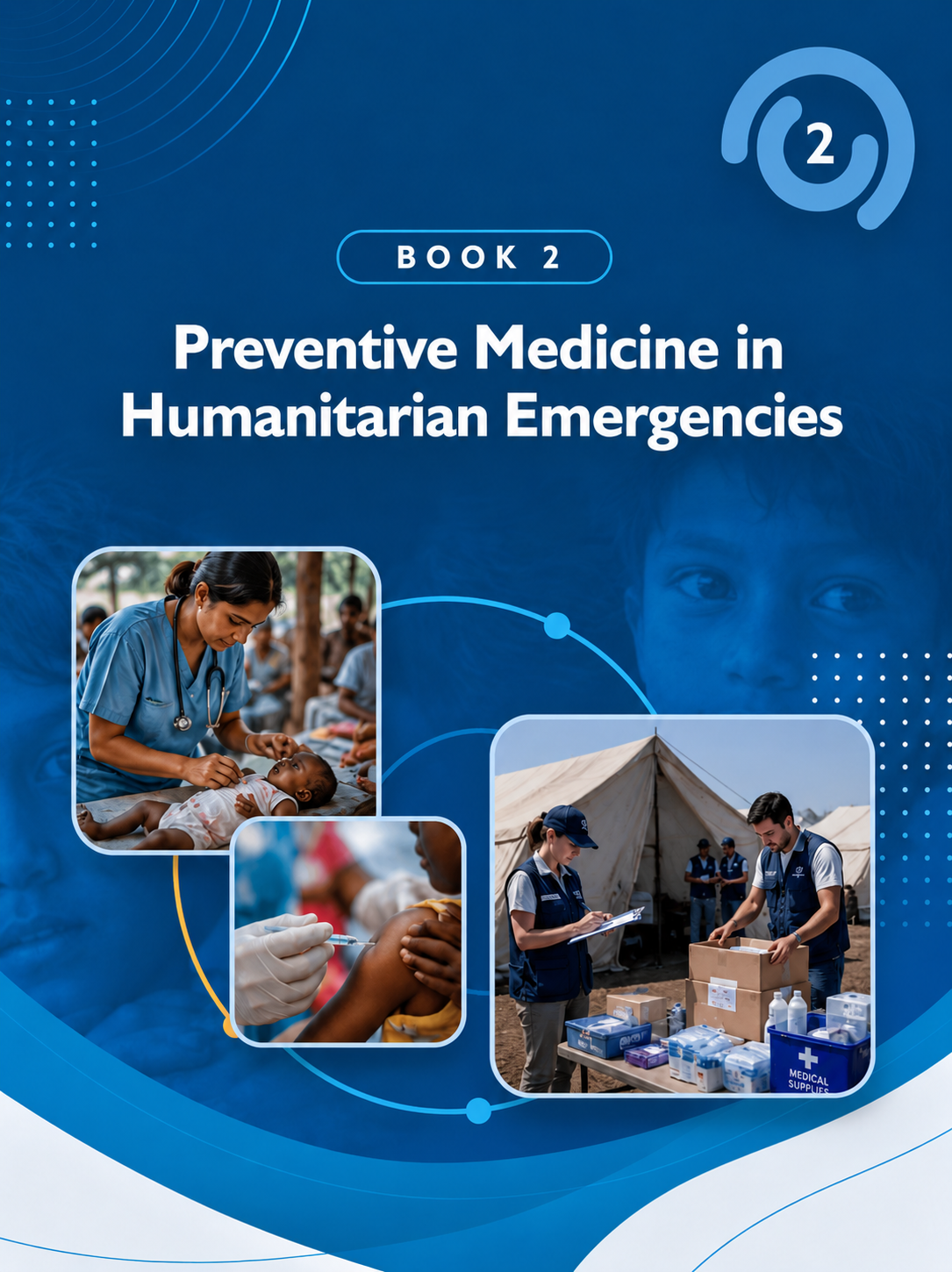
Module 2: Preventive Medicine in Humanitarian Emergencies
What this video covers: Learn how to measure public health impact in emergencies using key metrics and how to conduct a rapid needs assessment to guide early response priorities.
Why it matters: Accurate, timely data ensures resources are directed where they are most needed and helps prevent avoidable illness and death, especially among vulnerable populations.
Questions to keep in mind while viewing:
-
How do incidence, prevalence, and mortality rates help determine the severity of a crisis?
-
What information is essential to collect during a rapid needs assessment in the first 24 hours?
-
How do basic needs like water, shelter, sanitation, and food shape immediate response priorities?
-
-
The following tutorials will assist in completing the Module 2 Interactive Case Scenario.
Module 2 Tutorial 1: A problem-based learning exercise on rapid assessment in a post-disaster situation
What this video covers: Learn how to assess public health impact in emergencies using key metrics and how to conduct a rapid needs assessment to guide response priorities.
Why it matters: Timely and accurate assessment ensures that limited resources are allocated effectively and that the most urgent health risks are addressed first.
Questions to keep in mind while viewing:
-
How do public health metrics like incidence, prevalence, and mortality rates guide decision-making in a crisis?
-
What are the most critical data points to collect during a rapid needs assessment?
-
How do assessment findings translate into immediate action on the ground?
-
-
Module 2 Tutorial 2: A problem-based learning exercise on rapid assessment in a post-disaster situation
What this video covers: Understand how to plan and conduct a rapid needs assessment by evaluating essential survival needs such as water, nutrition, shelter, sanitation, environmental risks, and mortality data.
Why it matters: A structured assessment in the first 24 hours ensures that response efforts target the most urgent threats to survival and prevent worsening health outcomes.
Questions to keep in mind while viewing:
-
What key indicators help determine whether basic needs like water, food, and shelter are adequate?
-
How do environmental and sanitation conditions contribute to disease risk after a disaster?
-
How can mortality and morbidity data guide immediate intervention priorities?
-
-
-
-
-
-
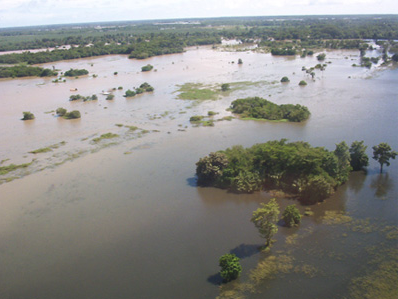
Interactive Case: Flood in a Coastal Area
After unprecedented rainfall devastates a coastal region, entire communities are submerged, critical infrastructure has failed, and thousands of people are displaced across overcrowded shelters and remote rural areas. Clean water is scarce, sanitation systems have collapsed, and the risk of disease outbreaks is rising quickly. As part of a Department of Health rapid assessment team, you are deployed to evaluate the situation on the ground and determine what matters most when resources are limited and needs are overwhelming.
In this interactive case, you will navigate complex, real-world challenges faced in disaster settings, from identifying urgent public health threats to prioritizing interventions that can save lives. You will analyze evolving conditions, apply surveillance thinking, and make decisions that balance immediate response with longer-term population health needs. This experience is designed to mirror the uncertainty, urgency, and impact of working in disaster response.
In this problem-based learning exercise, available in both English and Spanish, you will:
- Identify and prioritize the most critical health risks and needs of populations affected by large-scale disasters
- Apply core public health assessment and surveillance principles in complex, resource-constrained environments
- Determine and justify high-impact intervention strategies to reduce morbidity and mortality in displaced populations

-
-
-
-
-
Take a deeper dive into the concepts for module 2 with the multimedia interactive book.
-
-
-
I’ve completed all required elements for Module 2: Preventive Medicine in Humanitarian Emergencies.
Earn 2.0 PPN Contact Hours / CE Credit + Certificate of Completion
Claim My Credit or Certificate
To claim continuing education credit, you will need to log in or create an account on PPN CE and select your profession.
Step 1: On the course page, click “Take Course” then “Start Course.”
Step 2: Enter your attendance code BOCSOQ.
Step 3: Follow the prompts to complete the quiz and evaluation until the page reads “Course Complete.”
Once complete, your credit and/or certificate will be available under My Activities → Completed Activities.
Start on the course page here .
Please see our guide for detailed instructions with screenshots and a link to request additional support, click here.