Text size
Line height
Text spacing
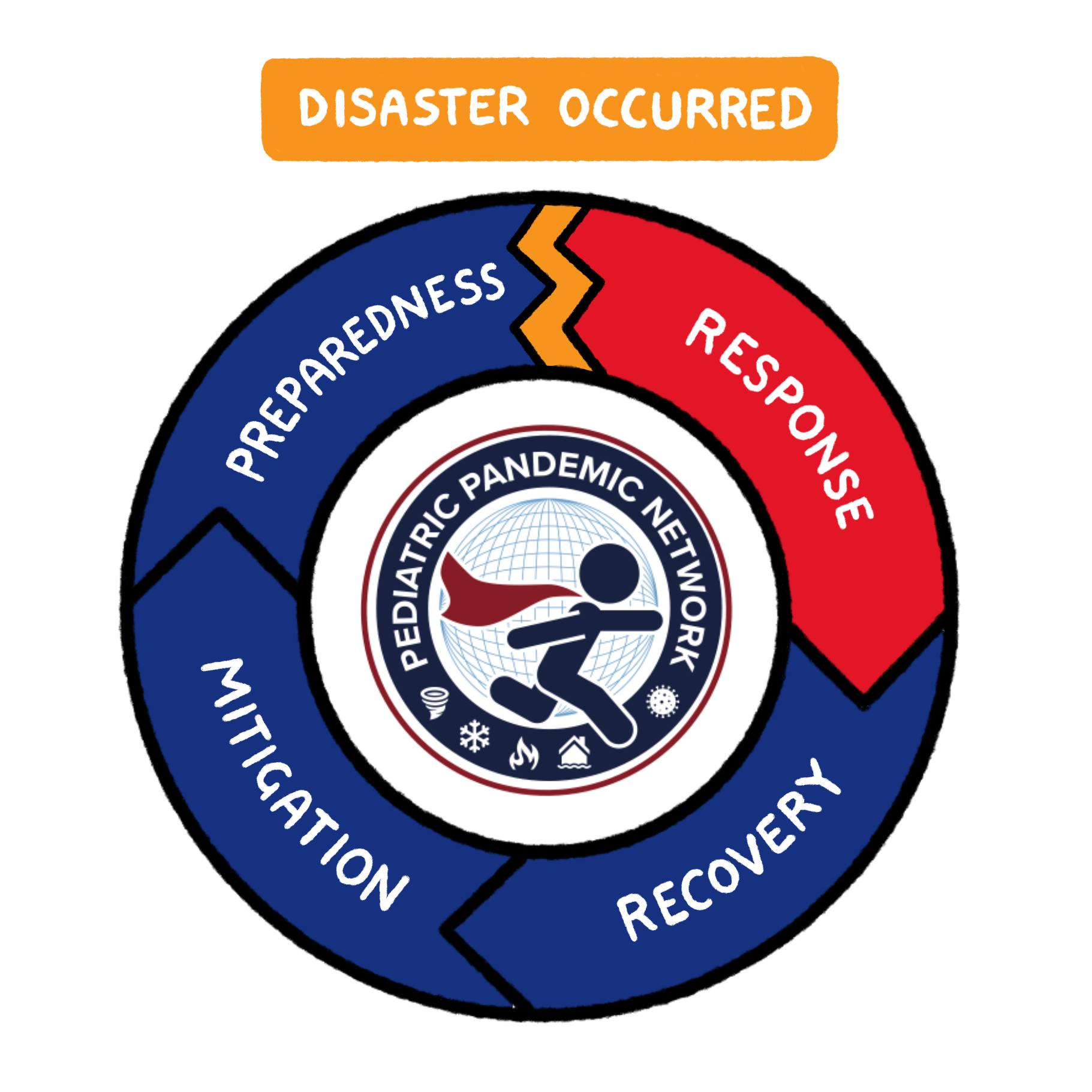
Patients, families, and medical providers may experience traumatic stress after direct or indirect exposure to a catastrophic event. This stress can affect emotional functioning, interactions with others, activities of daily living, and how an individual responds to and heals from medical intervention.
Following a traumatic event, individuals may experience a range of intense reactions intended to support survival and increase their sense of safety. It is important to clarify that these reactions are normal. During a crisis, a person’s decision-making abilities may also be limited. Understanding common trauma reactions can reduce the shame or discomfort that often accompanies them.
Behavioral health clinicians can reduce anxiety and promote adaptive functioning by helping people understand their current state, consider what comes next, and create response and treatment plans tailored to their individual needs.
Response strategies and interventions are key components of a trauma-informed system of care.
When frightening and unpredictable events occur, children look to their parents and other adults to determine whether their world is safe and for guidance about what to do next. Health care team members can give parents and caregivers specific strategies for supporting their children.
When a parent is doing well, their child benefits. One of the most effective ways clinicians can support children during a crisis is to support their parents and caregivers.
Providing clear, practical steps for moving forward in a healthy manner can increase a family’s sense of safety and confidence. This support can help a child return to baseline functioning or adjust to a new normal.
Behavioral health clinicians can share accessible resources from the National Child Traumatic Stress Network (NCTSN) to support parents and caregivers, including:
These resources can help parents and caregivers talk with their children about disasters and create supportive environments after frightening events.
Behavioral health clinicians should be prepared to respond to a continuum of trauma reactions. Responses may range from providing a brief intervention, such as Skills for Psychological Recovery (SPR) in an outpatient setting, to participating in behavioral health emergency response teams operating within an emergency department.
Consider how you can best support response efforts for patients, families, and the systems in which you work.
