Pediatric Behavioral Health in Disasters
| Site: | Pediatric Pandemic Network Learn |
| Course: | Pediatric Behavioral Health in Disasters Curriculum |
| Book: | Pediatric Behavioral Health in Disasters |
| Printed by: | Guest user |
| Date: | Saturday, September 12, 2026, 2:55 PM |
Table of contents
- 1. Introduction
- 2. Preparedness
- 3. Response
- 4. Recovery
- 4.1. Taking the Fear out of Children’s Dreams Following a Disaster: The Wonder of Imagery Rehearsal Therapy
- 4.2. Cognitive-Behavioral Therapy for Insomnia: Using the Science of Sleep to Guide Treatment
- 4.3. Trauma-Focused Cognitive Behavioral Therapy in Response to a Disaster
- 4.4. Chapter Review
- 4.5. Claim Credit & Certificate
- 5. Mitigation
1. Introduction
Welcome to the Pediatric Behavioral Health in Disasters curriculum. The content presented follows the four phases identified in the disaster management cycle: Preparedness, Response, Recovery, and Mitigation. This four-chapter curriculum is designed to be a primer in disaster mental health.
Each chapter features three articles with associated knowledge checks and will take approximately one hour to complete. The articles provide an overview of key concepts and resources, with case examples to illustrate the implementation of psychosocial approaches and interventions. Learners will receive guidance in providing just-in-time intervention, identifying opportunities for professional growth, and taking actionable steps to improve everyday readiness. Continuing education credit is available for each chapter upon completion of its required components.
Published in January 2025 in Pediatrics, the State-of-the-Art Review, Supporting Children's Mental Health Needs in Disasters, summarizes the available evidence for the integration of behavioral health into the disaster phases, with consideration of promoting equity in mental health and identifying strategies and gaps in addressing pediatric mental health in disasters. This article serves as a framework for how healthcare systems can address children’s developmental, behavioral, social, and emotional needs in the context of disasters.
What You’ll Learn
- Identify key principles that should be considered when selecting screening instruments, delivering care, and assessing and measuring change that is consistent with a trauma-informed system of care
- Describe the presentation and typical trajectory of posttraumatic stress symptoms in children and adolescents experiencing a catastrophic event
- Describe application of psychosocial interventions that can be delivered in the immediate aftermath of a disaster as well as during response and recovery.
Curriculum Outline
Preparedness
I. Trauma: Risk Factors, Presentation, and Effects
II. Implementation of Psychological First Aid (PFA)
III. Ensuring the Safety of Children with Special Health Care Needs and Disabilities (CYSHCN) During Disasters
Response
I. A Trauma-Informed Approach to Supporting Survivors of Community Violence in a Hospital Setting
II. How to Support Resilience in Infants and Young Children Following a Catastrophic Event
III. Implementation of Skills for Psychological Recovery
Recovery
I. Taking the Fear out of Children’s Dreams Following a Disaster: The Wonder of Imagery Rehearsal Therapy
II. Cognitive-Behavioral Therapy for Insomnia: Using the Science of Sleep to Guide Treatment
III. Trauma-Focused Cognitive Behavioral Therapy in Response to a Disaster
Mitigation
I. Trauma-Informed Systems of Care
II. Risks and Mitigation of Secondary Trauma
III. Catastrophic Events: Behavioral Health Considerations in the Medical Home
Navigation
This chapter book is designed to allow you to reference content at your own pace with an option to check your knowledge and earn a CE certificate at the end of each chapter.
This content is available as a digital book in two formats:
1) Website, which you are currently reading. This format offers a mobile friendly multimedia experience with sharable links to chapters. There are three ways to move through the book:
a) Use the table of contents chapter navigation to the left to navigate to different chapters in the book. Scroll through the links to select the chapter that interests you.
b) Use the yellow arrows that appear when scrolling to select previous and next chapters.

c) Use the previous chapter and next chapter buttons at the bottom of very page to navigate through the book.

2) Printable, which you can save as a PDF and open without an Internet connection.
1.1. PPN Certificate & Continuing Education
Learners may obtain a PPN Certificate and/or continuing education credit by completing all required elements for each chapter, including reading the 3 articles, submitting the attendance code, passing the quiz, and completing the evaluation. Instructions for claiming credit will be provided at the end of each chapter.
Certificate of Completion: Learners who successfully complete all four chapters are eligible to receive a Pediatric Behavioral Health Certificate of Completion in addition to any continuing education credit earned.
Joint Accreditation Statement
In support of improving patient care, Children's National Hospital is jointly accredited by the Accreditation Council for Continuing Medical Education (ACCME), the Accreditation Council for Pharmacy Education (ACPE), and the American Nurses Credentialing Center (ANCC), to provide continuing education for the healthcare team. Children’s National Hospital Accreditation Provider# 4008362.
Credit Designation Statements
Physicians: Children’s National Hospital designates this live/enduring activity for a maximum of 4.0 AMA PRA Category 1 Credits™ for physicians. Physicians should claim only the credit commensurate with the extent of their participation in the activity.
Nurses: Children’s National Hospital designates this activity for a maximum of 4.0 enduring ANCC contact hours.
Pharmacists: Children’s National Hospital is accredited by the Accreditation Council for Pharmacy Education (ACPE) as a provider of continuing pharmacy education. This program meets ACPE criteria for 4.0 contact hours.
Psychologists: Continuing Education (CE) credits for psychologists are provided through the co-sponsorship of the American Psychological Association (APA) Office of Continuing Education in Psychology (CEP). The APA CEP Office maintains responsibility for the content of the programs. All confirmed participants will earn 4.0 CE credits (Instructional Level, Intermediate Learning) upon successful completion of the learning event and evaluation.
Social Workers: As a Jointly Accredited Organization, Children’s National Hospital is approved to offer social work continuing education by the Association of Social Work Boards (ASWB) Approved Continuing Education (ACE) program. Organizations, not individual courses, are approved under this program. Regulatory boards are the final authority on courses accepted for continuing education credit. Social workers completing this course receive 4.0 general continuing education credits.
PPN: The Pediatric Pandemic Network designates this activity for a maximum of 4.0 PPN contact hours.
Relevant Financial Relationships
The planning committee and presenters have no relevant financial relationships with ineligible companies.
Financial and In-Kind Commercial Support
No financial or in-kind commercial support was received for this education activity.


1.2. Acknowledgements
Produced by the
Pediatric Pandemic Network

pedspandemicnetwork.org
The Pediatric Pandemic Network is supported in part by the Health Resources and Services Administration (HRSA) of the U.S. Department of Health and Human Services (HHS) as part of cooperative agreements U1IMC43532 and U1IMC45814 with 0 percent financed with nongovernmental sources. The content presented here is that of the authors and does not necessarily represent the official views of, nor an endorsement by HRSA, HHS, or the U.S. Government. For more information, visit HRSA.gov.

Attribution-NonCommercial-NoDerivatives CC BY-NC-ND
You are free to download and share this work for noncommercial purposes, as long as you credit the Pediatric Pandemic Network for the original creation.
2. Preparedness
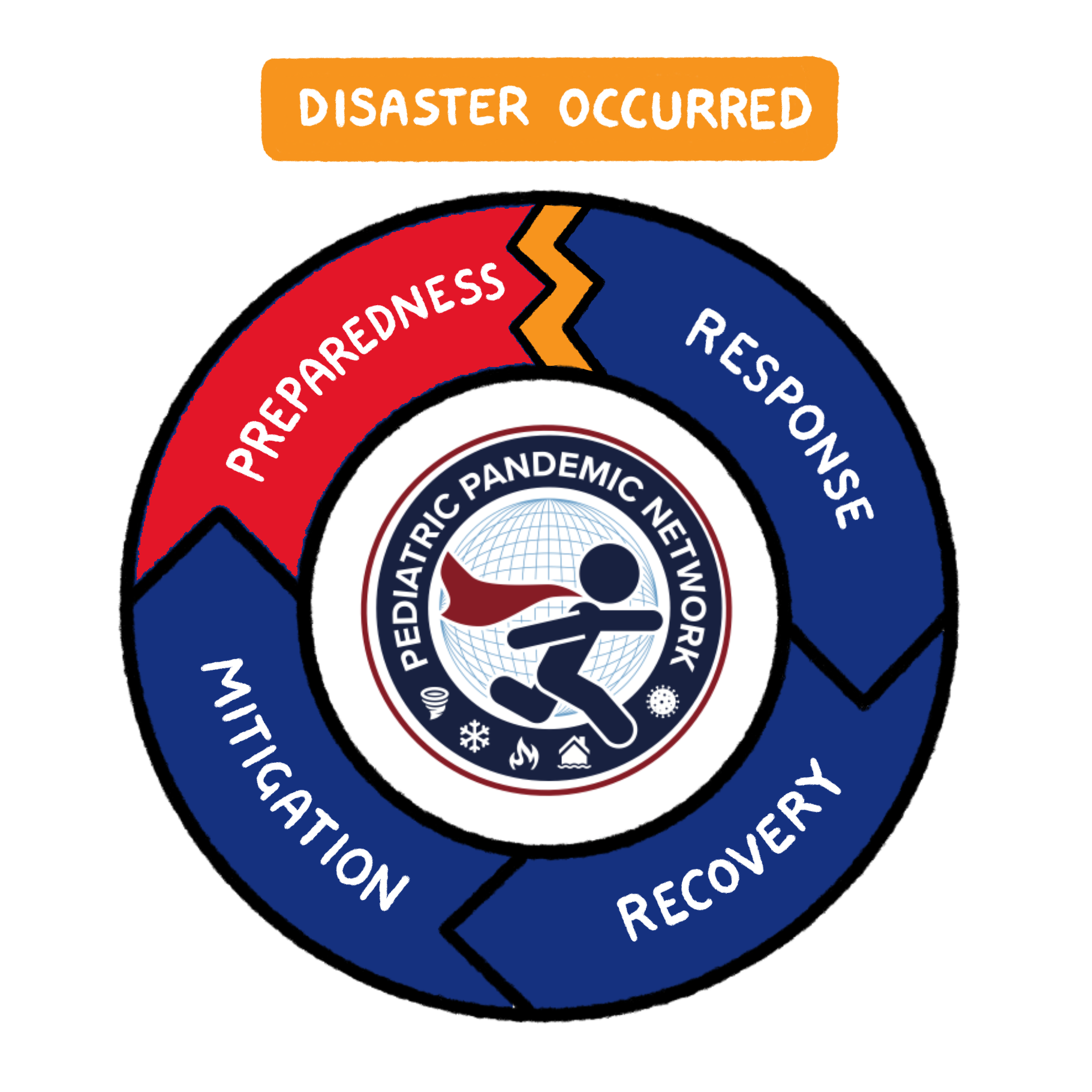
In the preparedness phase, clinicians should take inventory of their capacity and capability to respond to the social-emotional needs of children and their families in both the immediate aftermath of a disaster and the coming months. Both clinicians and caregivers need to be able to identify the signs and symptoms of trauma, strategies that can be used to build on individual, family, and community strengths, and considerations for the additional needs of special populations. These populations include children with special health care needs, children with neurodevelopmental disorders, and children from historically marginalized and minoritized groups.
This curriculum is intended to assist with identifying individual gaps in knowledge of care across the disaster management cycle and to provide guidance for training other medical professionals to become disaster-ready as it pertains to caring for children’s mental and behavioral health care needs.
Working with Families
To be a trauma-informed system of care, the engagement of families is key. Behavioral health clinicians can assist families with making a plan, preparing a disaster supplies kit, and becoming familiar with a family readiness toolkit. These resources reinforce that all families need to be prepared for natural, biological, and human-caused disasters.
Medical or behavioral health professionals can assist families with developing an emergency plan that identifies how the family will communicate and addresses the specific needs of the household, including where to shelter, safe meeting places, special medical needs, and critical contact information.
Actionable Steps
The majority of behavioral health care that affected youth receive occurs in the outpatient setting. To be disaster-ready, it is recommended that all behavioral health clinicians receive training in Psychological First Aid (PFA). A plan should also be identified for obtaining additional training to treat trauma in those experiencing posttraumatic stress symptoms in response to a catastrophic event.
Learning Objectives
- Describe the typical trajectory of posttraumatic stress symptoms in children and adolescents.
- Explain how Psychological First Aid can be used in the immediate aftermath of a catastrophic event.
- Identify three contributing factors that make children with special health care needs more vulnerable during a disaster.
2.1. Trauma: Risk Factors, Presentation, and Effects
Kimberly Burkhart, Ph.D.
Objectives
- Identify how signs and symptoms of trauma may vary in children based on age and developmental level.
- Describe the typical trajectory of posttraumatic stress symptoms in children and adolescents.
Introduction
Mental illness in children had been rising before the onset of the pandemic, with 75% of all mental health disorders presenting by age 24. Before the COVID-19 pandemic, 1 in 5 children had a diagnosed mental health disorder. Major depression increased 74% among adolescents between 2004 and 2019.
In spring 2021, results from the CDC National Syndromic Surveillance Program indicated that emergency department (ED) visits for suspected suicide attempts among females rose by 50% compared with the previous year. In contrast, visits among males rose more modestly, by 3.7%. The rise in mental health needs and shortage of providers has contributed to a national mental health crisis.
The purpose of this article is to identify factors associated with the rise of the mental health crisis, risk factors associated with increased adjustment problems after a catastrophic event, and signs and symptoms of trauma during various stages of child development.
Key Content
The mental health crisis has contributed to increased boarding since the onset of the pandemic. Pediatric and adolescent psychiatric boarding has increased threefold over the last decade, with a 60% increase in the time spent boarding.
A landmark study using the Pediatric Research in Inpatient Settings network surveyed hospitals across the country. On a typical day, hospitals reported an average of four children boarding while awaiting definitive mental health treatment, with an average boarding duration of 48 hours per child.
The survey found that hospital resources for children who are boarding are limited. Only one-third of hospitals had a designated boarding space, 1 in 10 had a clinical practice guideline or care pathway, and few children received psychiatric medication initiation or changes (14%), psychotherapy from a mental health professional (18%), or a behavioral management plan (36%).
These data are specific to children’s hospitals, which are generally better equipped to manage pediatric mental health needs than community emergency departments. Prolonged boarding may be associated with increased self-harm, staff assault, risk of regression, interruption of therapy, and traumatization or retraumatization.
In addition to biological disasters, such as the COVID-19 pandemic, contributing to the rise of the mental health crisis among youth, there has been an increase in climate-related and human-caused disasters, including mass-casualty events.
Children are particularly vulnerable to the effects of disasters, with as many as 14% experiencing a natural or human-caused disaster during childhood. Evidence is emerging about patterns and trajectories of posttraumatic stress symptoms (PTSS) among children who experience disasters.
PTSS include symptoms associated with and attributed to a traumatic event, such as reliving the event, experiencing nightmares or sleep problems, and other internalizing symptoms or externalizing behaviors that present after disaster exposure. Research suggests that 4% to 23% of disaster-exposed children experience chronic symptoms, with persistently elevated PTSS over time. Another 7% to 27% follow a recovery trajectory characterized by an initial elevation of PTSS followed by a decrease at later time points.
Most children—approximately 45% to 79%—will exhibit resilience.
Factors associated with an increased risk of adjustment problems after a catastrophic event fall into three categories:
- Pre-existing factors: Psychopathology, previous traumatic exposures, and socioeconomic factors.
- Nature of the disaster experience: Injury to the child, extent of exposure, and the child’s perception of the event.
- Subsequent factors: Family support and communication, knowledge and use of coping skills, loss of property or other significant changes, and parenting challenges.
The Effects of Stress and Signs and Symptoms of Trauma
The Effects of Stress
The hypothalamic-pituitary-adrenal (HPA) axis is activated when the body confronts stress. This activation results in the secretion of cortisol, which elicits an infusion of glucose into the bloodstream.
A higher level of energy that the body can draw upon in the face of stress is helpful. When this response is chronically elevated, however, it is associated with adverse health outcomes such as obesity, cardiovascular disease, disrupted immune function, and psychopathology.
Early childhood trauma may be particularly impactful because early childhood represents a sensitive period for development. The early years of a child’s life are characterized by rapid brain growth and increased plasticity. Trauma experienced during this critical period can result in an atypical shift in development, dysregulation, and changes in DNA.
Signs and Symptoms of Trauma
A young child’s response to trauma commonly includes the following symptoms and underlying causes:
| Physiological Symptoms | Central Cause |
|---|---|
| Sleeping difficulties, including difficulty falling or staying asleep and nightmares | Stimulation of the reticular activating system |
| Eating changes, including increased appetite, food hoarding, or loss of appetite | Inhibition of the satiety center; anxiety |
| Toileting problems, including constipation, enuresis, or encopresis | Increased sympathetic tone; increased catecholamines |
Responses to trauma and effects on working memory, inhibitory control, and cognitive flexibility vary by age. The following table provides a summary:
| Age | Common Response to Trauma | Effect on Working Memory | Effect on Inhibitory Control | Effect on Cognitive Flexibility |
|---|---|---|---|---|
| Infant, toddler, or preschooler | Separation anxiety; inattention; aggressive or repetitive play; developmental regression | Difficulty meeting developmental milestones | Frequent and severe tantrums; increased aggressive behavior | Easily frustrated; difficulty with change and transitions |
| School-aged child | Anxiety; hypervigilance; regression | Filling in missing details or confabulation; difficulty acquiring school-based knowledge | Increased difficulty navigating peer relationships; increased problems at school; increased difficulty with compliance at home | Organizational challenges |
| Adolescent | Anxiety; depression; hypervigilance; increased engagement in risk-taking behavior | Difficulty keeping up in school; trouble meeting parent expectations; social challenges | Impulsive actions | Difficulty assuming tasks associated with increased independence and the transition to adulthood |
Acute Stress Disorder and Posttraumatic Stress Disorder
Symptoms of acute stress disorder tend to occur immediately or shortly after a traumatic event. By definition, symptoms can present during the first 28 days after the event and last from three days to four weeks. Dissociative symptoms are common and may include feeling numb, detached, or emotionally unresponsive, or being unable to remember parts of the traumatic event.
These symptoms can manifest as displaying little emotion, expressing or showing distress related to loss, or not remembering critical aspects of the event, such as how the person was rescued or arrived at the hospital. Posttraumatic stress disorder (PTSD) may be diagnosed when symptoms persist for more than one month after the traumatic event. PTSD may last from one month to several years and may present as avoidance, heightened awareness, and changes in mood and cognition.
Diagnostic criteria for PTSD in children age 6 and older include exposure to actual or threatened death or serious injury, intrusive symptoms, persistent avoidance associated with the traumatic event, negative alterations in cognition and mood, and marked alterations in arousal and reactivity associated with the traumatic event. Dissociative symptoms such as depersonalization and derealization may also be present.
The DSM-5 includes a developmental subtype of PTSD for preschool children. This subtype accounts for emerging abstract cognitive and verbal expression by using criteria that are more behavioral in nature.
Although distress reactions are common in young children, overt distress may not be present. Young children may instead present with increased excitement, constricted play, and social withdrawal.
Behavioral symptoms, such as severe tantrums, tend to be the most common and easily observable changes in young children.
Signs and Symptoms of Posttraumatic Stress Disorder in Children and Adolescents
- Problems sleeping
- Feeling sad or grouchy
- Feeling nervous, jittery, or unusually alert
- Having trouble feeling affectionate
- Being more aggressive
- Having flashbacks that may include images, sounds, smells, or feelings
- Reenacting the trauma
- Worrying about dying at a young age
- Acting younger than one’s age
- Having physical symptoms such as headaches and stomachaches
- Having trouble focusing or experiencing problems at school
Events that can elicit acute stress disorder or PTSD include exposure to actual or threatened death or serious injury; witnessing or learning about such events or experiences; and repeated exposure to aversive details of an event through media, photographs, television, or movies.
Predictors of trauma exposure include demographic characteristics, other exposures, mental health, and family and peer relationships.
Females are at greater risk of both direct and indirect exposure and are more likely to report bereavement. Males are more likely to be exposed to nonsexual physical violence, witness violence, and be involved in serious accidents. Younger age and adolescence are also associated with increased risks. When assessing for trauma, it is helpful to evaluate changes in cognitive, emotional, social, and behavioral functioning.
Screening, Assessment, and Takeaway Points
Screening and Assessment Options for Child and Adolescent Trauma
- Child Behavior Checklist (CBCL): Achenbach and Rescorla (2001); ages 1½–5.
- Posttraumatic Stress Disorder Semi-Structured Interview and Observation Record: Scheeringa and Zeanah (1994); ages 0–4.
- Posttraumatic Symptom Inventory for Children (PT-SIC): Eisen (1997); ages 4–8.
- Preschool Age Psychiatric Assessment (PAPA): Egger and Angold (1999); ages 2–5.
- PTSD Symptoms in Preschool-Aged Children (PTSD-PAC): Levendosky, Huth-Bocks, Semel, and Shapiro (2002); ages 3–5.
- Traumatic Events Screening Inventory—Parent Report Revised (TESI-PRR): Ghosh et al. (2002); ages 0–6.
- Trauma Symptom Checklist for Young Children (TSCYC): Briere et al. (2001); ages 3–12.
- Violence Exposure Scale for Children—Preschool Version (VEX-PV): Shahinfar, Fox, and Leavitt (2000); ages 4–10.
- Violence Exposure Scale for Children—Revised Parent Report (VEX-RPR): Shahinfar, Fox, and Leavitt (2000); for parents of children ages 4–10.
- UCLA Child/Adolescent PTSD Reaction Index for DSM-5 (PTSD-RI): Includes the Child/Adolescent Self-Report, Parent/Caregiver Report, Parent/Caregiver Report for Children Age 6 and Younger, and Brief Screen for Trauma and PTSD.
- Adolescent Primary Care Traumatic Stress Screen (APCTSS): Ng et al. (2022); a five-question screener for primary care settings; ages 13–22.
- Child PTSD Symptom Scale (CPSS): 2021; ages 8–18.
Takeaway Points
- In 2021, the American Academy of Pediatrics (AAP), American Academy of Child and Adolescent Psychiatry (AACAP), and Children’s Hospital Association (CHA) declared a national emergency in child and adolescent mental health. Major depressive disorder increased by nearly 75% between 2004 and 2019. Pediatric psychiatric boarding has increased threefold over the last decade, along with the time spent boarding.
- Signs and symptoms of trauma and posttraumatic stress present differently in children than in adults. During the preschool years, behavioral symptoms are often the most prominent.
- Standardized measures and protocols are available for assessing trauma and posttraumatic stress in preschool-aged, school-aged, and adolescent children.
Action Item
How can you best educate your medical colleagues about the signs and symptoms of trauma in childhood?
Additional Information
Books
- Treating Traumatic Stress in Children and Adolescents: How to Foster Resilience Through Attachment, Self-Regulation, and Competency, Margaret E. Blaustein and Kristine Kinniburgh.
- Trauma-Informed Assessment with Children and Adolescents: Strategies to Support Clinicians, Cassandra Kisiel et al.
Journal Articles
- A Scoping Review of Trauma-Informed Pediatric Interventions in Response to Natural and Biologic Disasters
- Perceived Life Threat in Children During the COVID-19 Pandemic: Associations with Posttraumatic Stress, Anxiety, and Depressive Symptoms
- Posttraumatic Stress Symptom Trajectories Among Children After Disaster Exposure
- Trajectories of Tornado-Related Posttraumatic Stress Symptoms and Pre-Exposure Predictors in a Sample of At-Risk Youth
Handouts
2.2. Implementation of Psychological First Aid
Kimberly Burkhart, Ph.D.
Objectives
- Explain how Psychological First Aid can be used in the immediate aftermath of a catastrophic event.
- Identify training resources.
Psychological First Aid (PFA), created by the National Child Traumatic Stress Network in partnership with the National Center for PTSD, is intended for use with children, adolescents, caregivers, families, and adults. It can be implemented in a variety of settings, including field hospitals, shelters, emergency departments, family assistance centers, and schools.
PFA is based on the assumption that most people will not develop posttraumatic stress symptoms in response to a traumatic event. By meeting people’s immediate needs through human connection, providers can help create a buffer against ongoing distress.
Posttraumatic stress symptoms include trauma-related symptoms such as anxiety, negative thoughts, and flashbacks that meet the criteria for a specific trauma- or stressor-related disorder. PFA is a supportive intervention that can be delivered by first responders, mental health professionals, and other disaster response workers in the immediate aftermath of a disaster, defined as up to four weeks after exposure.
Guidelines for Delivering PFA
Providers should observe the situation before approaching an individual. Respectful questions should be used to determine what the individual or family needs and what approach should be taken. Providers should remain calm, patient, and responsive and communicate in developmentally and culturally appropriate ways.
When working with children, it is particularly important to:
- Help children verbalize their emotions.
- Listen carefully and conduct frequent check-ins so children know they are heard.
- Identify and build on the child’s strengths.
- Recognize that the child may show developmental regression.
- Provide parenting guidance when needed.
Survivors may present as disoriented, panicked, withdrawn, irritable, angry, or extremely worried. The provider should focus on problem-solving and offering coping strategies in response to the immediate situation.
Eight Core Actions of PFA
PFA consists of eight core actions: Contact and Engagement, Safety and Comfort, Stabilization, Information Gathering, Practical Assistance, Connection with Social Supports, Information on Coping, and Linkage with Collaborative Services.
Not every action will be needed in every situation. The provider uses active listening to determine which core actions are appropriate. Each core action and an example of an associated intervention are described below.
- Contact and Engagement: Respond to and initiate contact with survivors. Introduce yourself, discuss the limits of confidentiality, and ask about immediate needs.
- Safety and Comfort: Enhance safety by providing physical and emotional comfort. Attend to survivors’ immediate physical comfort; contact relatives to obtain pertinent medical information; ask whether survivors need help with activities of daily living; and determine whether a survivor presents a risk of harm to themselves or others. Create a child-friendly space.
- Stabilization: Calm and orient survivors when needed. Use grounding techniques such as diaphragmatic breathing combined with naming objects or experiences in the current environment associated with the five senses. Obtain information about medications that may be needed and medical professionals who may be able to assist.
- Information Gathering: Identify immediate needs and concerns. Obtain information about the nature and severity of the disaster exposure, immediate post-disaster circumstances, and any ongoing threat.
- Practical Assistance: Offer practical help in response to immediate needs and concerns. Look for opportunities to build on protective factors such as survivors’ positive beliefs about themselves and others, their faith, and their access to resources. Identify concerns and develop an action plan.
- Connection with Social Supports: Facilitate contact with established supports. Enhance access to primary support persons and connect survivors with immediately available support. Group activities, such as drawing or playing tic-tac-toe, can also provide distraction.
- Information on Coping: Provide information about stress reactions and basic coping skills that can decrease distress. Explain the three types of posttraumatic stress reactions—intrusive reactions, avoidance and withdrawal, and physical arousal—as well as the possible role of trauma reminders.
Reinforce basic coping skills such as obtaining adequate nutrition and sleep, taking breaks, scheduling pleasant activities, using calming self-talk, and focusing on something practical that can be done in the moment. Providers can also share strategies for returning to a routine and using simple relaxation techniques.
- Linkage with Collaborative Services: Link survivors with community-based services. Provide a direct connection to services and recommend follow-up care that includes a brief evaluation of child and adolescent adjustment.
PFA in Practice
Case Scenario
A 6-year-old boy, “Mikey,” presents to the emergency department following a wildfire. Mikey and his mother were separated at the hospital. His mother is receiving medical treatment for burns, while Mikey has minor cuts on his arms. Mikey is crying and repeatedly asking about his mother. You have been asked to respond to him.
What Should You Do?
Consult your PFA Field Operations Guide, available through the National Child Traumatic Stress Network and linked in the resources below. Assess Mikey’s current needs in four areas:
- Behavioral
- Emotional
- Physical
- Cognitive
Mikey has received medical treatment for his cuts. He is experiencing anxiety related to separation from his mother and being in an unfamiliar medical setting. He is tearful and has difficulty remembering and describing what happened.
Applying the Core Actions
Contact and Engagement: Ask about immediate needs and consider what could make Mikey more comfortable. You determine where his mother is and assure him that hospital staff are taking good care of her. You also bring Mikey a cup of water.
Information Gathering: Find out what Mikey knows about the wildfire. Mikey does not know his phone number or address and is not a patient within your hospital system. Once calm, he remembers that contact information is written on the tongue of his shoe. Mikey reports that his father was not home and has been away for some time.
Connection with Social Supports: Call the two phone numbers listed in Mikey’s shoe. His father answers and explains that he is away on a business trip. He provides the necessary contact information and arranges for Mikey’s grandmother to come to the hospital. You call his grandmother and develop a plan for her to connect with Mikey.
Information on Coping: Explain the action plan to Mikey using developmentally appropriate language. Check that he understands that doctors are caring for his mother, his father is on his way home, and his grandmother is coming to pick him up. Explain that you will continue to check on him until she arrives.
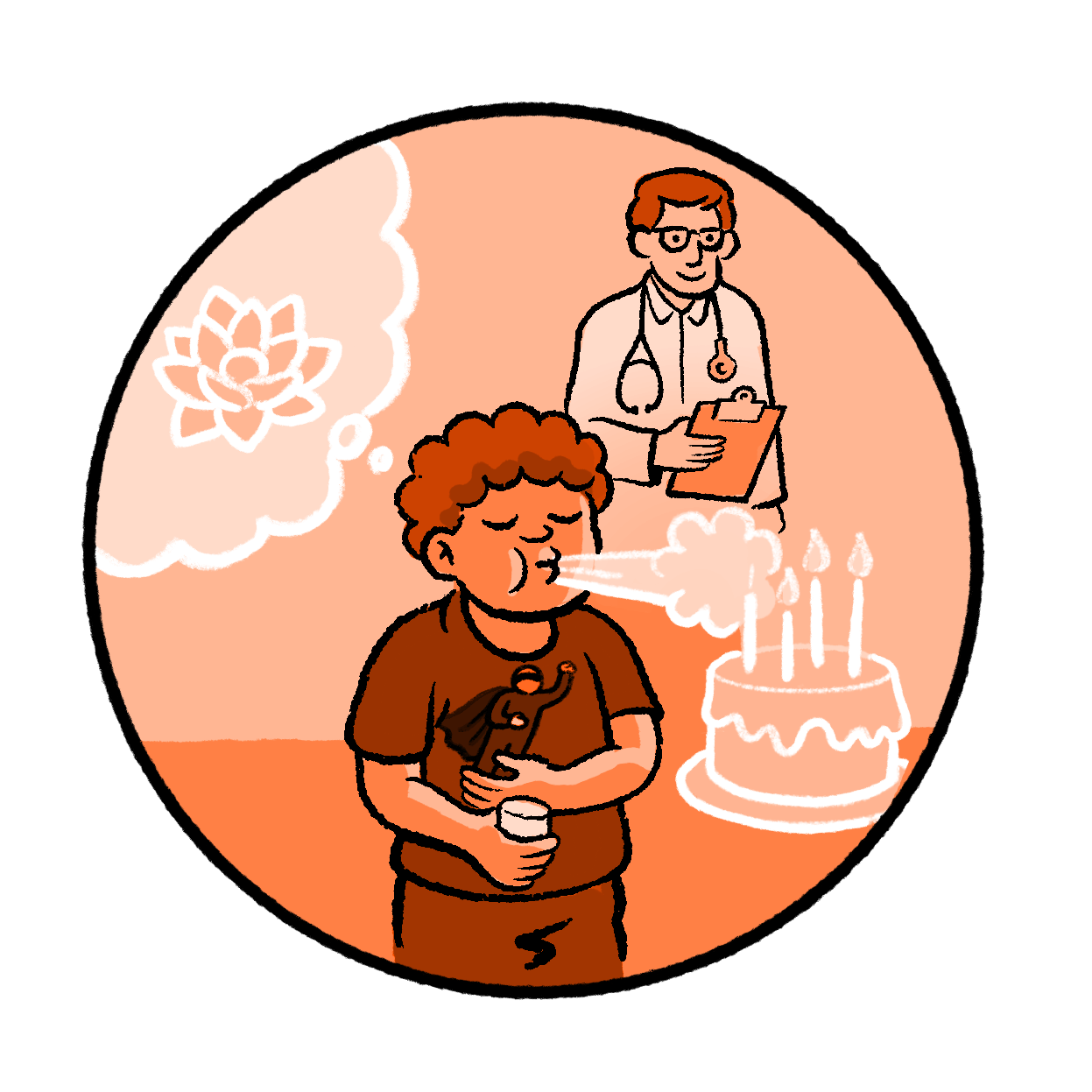
You notice that Mikey is wearing a superhero T-shirt. You begin a conversation about the superhero and tell Mikey that he has been very brave. You coach him through deep breathing by asking him to breathe in through his nose as though he were smelling a flower and breathe out through his mouth as though he were blowing out a birthday candle.
Mikey is now calm, and you are able to attend to other patients presenting to the emergency department.
Additional Information
Training
Field Guide
Journal Articles
- Psychological First Aid Training: A Scoping Review of Its Application, Outcomes and Implementation
- The Role of Psychological First Aid to Support Public Mental Health in the COVID-19 Pandemic
- The Use of Psychological First Aid in Children Exposed to Mass Trauma
Handouts
2.3. Ensuring the Safety of Children with Special Health Care Needs and Disabilities During Disasters
Patricia Frost, RN, PHN, MS, PNP; Kara Kowalczyk, MD; and Yae Sul (Hazel) Jeong, MD, MS
Objectives
- Identify three contributing factors that make children with special health care needs more vulnerable during a disaster.
- Identify three considerations for establishing an effective and comprehensive emergency disaster plan for children with special health care needs.
Introduction
Disasters and emergencies pose significant risks to all populations. Children with complex medical needs and disabilities, however, are disproportionately affected and face unique challenges that require tailored planning and response. These children often rely on specialized medical equipment, medications, and assistance with activities of daily living, making standard emergency procedures insufficient.
This article provides disaster and emergency management guidance tailored to the care of children with complex medical needs and disabilities. It is intended for pediatric health care providers, emergency managers, schools, parents, and caregivers.
Identification and Planning
According to the Centers for Disease Control and Prevention (CDC), nearly 1 in 5 children in the United States has one or more physical, intellectual, developmental, or long-standing medical disabilities or conditions. Children and youth with special health care needs (CYSHCN) is an umbrella term used to describe this population.
A 2020 Child Trends report found that these children and youth experience higher rates of:
- Family poverty
- Disparities in access to a medical home
- Childcare difficulties
- Lack of health insurance, affecting 1 in 34 children
- School absences and repeated grades
These families disproportionately rely on pediatric regional center specialists for routine care. After a new diagnosis, families may face the choice of relocating near the child’s comprehensive medical team or traveling hundreds of miles to access care. These centers are often hyper-regionalized, and under normal conditions, families may participate in their child’s care while the child is admitted.
Awareness of the challenges associated with disaster preparedness and readiness is rarely built into this process. As a result, CYSHCN may experience disproportionate effects, service disruptions, and adverse outcomes during disasters. Examples include:
- Inadequate or disrupted power for families with children who are technology-dependent.
- Inability to evacuate because accessible transportation is unavailable, particularly for families without vehicles or those who rely on public transportation.
- Shelters that lack quiet rooms for children who are prone to overstimulation in high-stress environments, including children with autism spectrum disorder.
- Youth who use wheelchairs becoming stranded or grouped on upper floors of a school while awaiting evacuation assistance from emergency responders.
Disability and Disaster Legislation
CYSHCN are part of the broader access and functional needs population and should benefit from the rights and protections established through disability legislation. Local jurisdictions are responsible for creating many of the necessary services and accommodations, while families must often learn how to access them.
The following resources may be helpful when preparing for a disaster or catastrophic event:
- Individuals with Disabilities Education Act (IDEA): Provides eligible children with disabilities nationwide with a free, appropriate public education and ensures access to special education and related services.
- U.S. Department of Education Office for Civil Rights: Provides resources for individuals with disabilities and their families.
- Section 504 of the Rehabilitation Act of 1973: Protects the rights of individuals with disabilities in programs and activities that receive federal financial assistance.
- Title II of the Americans with Disabilities Act of 1990: Extends protection against discrimination to state and local government services, programs, and activities, including public schools.
- Pandemic and All-Hazards Preparedness and Advancing Innovation Act of 2019: Strengthens provisions related to children, disasters, and at-risk populations.
The disability community commonly uses the term YOYO, meaning “You Are On Your Own.” Parents, caregivers, schools, childcare providers, and health systems must work together to ensure CYSHCN and their families have the information and resources needed to reduce and mitigate adverse consequences.
Identify Needs
Create a detailed list of the child’s specific medical needs, including medications, equipment, equipment power sources such as batteries or generators, dietary requirements, and communication methods.
Establish a Comprehensive Emergency Plan
Schools, caregivers, and health care providers should collaborate to create emergency plans that address the specific needs of children with complex medical requirements. Plans should include:
- Medical information: Maintain comprehensive documentation of medical conditions, required medications, equipment, and instructions for use. The American Academy of Pediatrics and American College of Emergency Physicians emergency information form can help families document these needs. Review and update the information regularly.
- Emergency contacts: Maintain current contact information for health care providers, family members, and emergency services. Disability organizations recommend identifying at least five contacts, including neighbors and family members, who can check in and assist during an emergency.
- Evacuation procedures: Establish and practice clear evacuation routes and methods that account for mobility limitations and sensory needs.
Communication Strategies
Providing situational awareness and maintaining communication with families are crucial during an emergency. CYSHCN families may need additional time to evacuate and should begin preparing as early as possible when an evacuation may be required.
- Talk with the child’s doctor: Discuss the disaster plan and the child’s specific needs.
- Talk with the local fire department and EMS: Individuals with special needs, particularly those who are technology-dependent, may be flagged in dispatch systems so responders know about their needs before an emergency.
- Register with local services: Determine whether the community offers programs to assist individuals with disabilities during emergencies.
- Create a family communication plan: Use verbal, written, and visual communication methods to ensure information reaches everyone, including individuals with sensory or cognitive impairments.
- Provide training: Train caregivers, teachers, and emergency personnel to communicate effectively with children with disabilities. Conduct periodic drills to confirm that the family communication plan works.
Medical Supplies and Equipment
Access to essential medical supplies and equipment must be prioritized during a disaster. Recommended strategies include:
- Emergency kits: Prepare and maintain kits containing necessary medications, backup batteries for medical devices, and other essential supplies.
- Supplier partnerships: Establish relationships with local suppliers and pharmacies to support the timely replenishment of supplies.
- Backup power: Work with utility companies and local fire agencies to place individuals with power-dependent medical needs on priority restoration lists. Arrange battery backup and identify community locations, such as fire departments, where power may be available.
Shelter and Support Services
Not all shelters are equipped to meet the needs of children with disabilities. Technology-dependent CYSHCN families may seek shelter at local hospitals to obtain power and access medications and durable medical equipment.
Key considerations include:
- Accessibility: Confirm that shelters are physically accessible and can accommodate medical equipment. Functional Assessment Service Teams (FAST), typically consisting of two to eight trained members, may be deployed to general population shelters to conduct functional assessments before and during shelter operations.
- Specialized services: Ensure access to staff trained to support children with disabilities and provide necessary medical care. Families may require additional space and quiet accommodations.
- Service animals: Shelters must have plans to accommodate service animals used by CYSHCN and their families.
- Designated safe areas: Establish safe areas tailored to the comfort, security, and accessibility needs of children and families with special needs.
Psychological Support
Disasters are traumatic, particularly for children with disabilities who may struggle with changes to routines and environments. Individuals with pre-existing serious mental illness may also be less prepared for a disaster. Children, families, and communities need support during recovery as well as assistance preparing before an event.
Interventions that improve self-efficacy promote resilience and reduce disaster-related psychological distress.
- Counseling services: Provide access to mental health professionals experienced in working with children with disabilities.
- Routine and stability: Maintain as much normalcy as possible in daily routines to provide comfort and stability.
Training and Drills
Conduct regular emergency drills tailored to the needs of children with disabilities. These drills should prepare children, families, providers, caregivers, and school personnel.
- Inclusive drills: Include children with disabilities and their families in drills and practice scenarios to identify and address potential gaps.
- Feedback mechanisms: Collect participant feedback and use it to continually improve emergency plans and procedures.
Common Barriers and Challenges
Families and children with complex medical needs face numerous obstacles during emergencies and may be less likely to be prepared for disasters. Common barriers include:
- Mobility issues: Difficulty evacuating because of physical disabilities or the need for specialized transportation.
- Communication barriers: Difficulty receiving and understanding emergency information because of sensory or cognitive impairments.
- Medical dependencies: The need for continuous access to medications, medical equipment, and skilled caregivers.
- Sensory sensitivities: Distress or behavioral challenges caused by overwhelming sensory stimuli during evacuations or in shelters.
- Lack of accessible facilities: Inadequate shelter accommodations for children with physical disabilities or specialized care needs.
- Coordination and training gaps: Insufficient training for emergency personnel who must support children with disabilities, complex medical needs, or durable medical equipment.
- Emotional stress: Increased anxiety and trauma caused by disruptions to routines and exposure to unfamiliar environments.
Takeaway Points
- Comprehensive planning: Develop detailed emergency plans tailored to the unique needs of children with complex medical requirements.
- Effective communication: Use multiple communication strategies to ensure information is accessible to children and their caregivers.
- Regular training: Conduct inclusive drills and training to prepare all stakeholders for emergencies.
Action Item
Reflect on the current emergency plans at your school or health care facility. What specific changes could better accommodate children with complex medical needs and disabilities?
Additional Information
Training and Webinars
Books
- Who Cares? The Real Patient Experience, M. Winger (2023).
Journal Articles
- Introducing the Blueprint for Change: A National Framework for a System of Services for Children and Youth with Special Health Care Needs
- Access to Critical Health Information for Children During Emergencies: Emergency Information Forms and Beyond
- Variations in Disaster Preparedness by Mental Health, Perceived General Health, and Disability Status
- Perceived Threat of Disaster, Efficacy, and Psychological Distress Among Individuals with a Physical Disability: A Longitudinal Model
Webpages
- Emergency Care Needs of Children with Special Health Care Needs
- Disaster Preparedness for Children and Youth with Special Health Care Needs
Resources for Families of CYSHCN
- Be Ready: Tips for Families of Children and Youth with Special Health Care Needs—Multilingual Video and Infographic Series
- Travel Guide for Traveling with a Medically Complex Child
- Emergency Evacuation Preparedness: Taking Responsibility for Your Safety—A Guide for People with Limitations
- Access and Functional Needs Toolkit: Integrating a Community Partner Network to Inform Risk Communication Strategies
- CDC: Children with Special Health Care Needs
- HHS Maternal-Child Health Emergency Planning Toolkit
- Autism Speaks Natural Disaster Resources
- Disaster Guidance for Dialysis Patients
- Emergency Preparedness for Families of Children with Special Needs
- Individuals with Disabilities and Families of Children with Special Health Care Needs, Pre/Post Disaster
- Emergency Information Form for CYSHCN
- Emergency, Safety, and Disaster Planning for Children with Special Needs
2.4. Chapter Review
Chapter Review Questions
- What are the symptoms of post-traumatic stress disorder?
- In what ways can emergency response plans be improved to reduce the emotional stress experienced by children with complex medical needs?
- Following a catastrophic event, when is Psychological First Aid (PFA) intended to be implemented?
- What key considerations should be kept in mind when creating emergency disaster plans for children with special health care needs?
- What factors are associated with an increased risk of difficulty adjusting after a traumatic event?
- What should be included in a comprehensive emergency plan for children with special health care needs?
- What is one key strategy for maintaining communication with families of children with special health care needs during disasters?
- What are the typical responses of most children after experiencing a disaster?
- What is an example of an intervention associated with one of the core actions of PFA?
- What are the eight core actions of Psychological First Aid (PFA)?
2.5. Claim Credit & Certificate
After reading all of the chapter, you are eligible to earn:
1.0 PPN Contact Hour / CE Credit + Certificate of Participation
Claim Your Credit or Certificate
Step 1: Log into PPN CE.
Step 2: On the PPN CE course page, click the blue Register button, then the red Take Course button, followed by the red Start Course button.

Step 3: Enter your attendance code YUSYAC.
Step 4: Follow the prompts to complete the quiz and evaluation until the page reads "Course Complete."
Start here: PPN CE course page
Once complete, your credit and/or certificate will be available under My Activities → Completed Activities.
Need help? View the step-by-step claiming guide for detailed instructions, screenshots, and support information.
Earn a Certificate of Completion
After completing all 4 Pediatric Behavioral Health chapters and their associated requirements, you are also eligible to receive an overall Pediatric Behavioral Health Certificate of Completion.
Check your progress toward completing all 4 chapters
Completed the full book? Claim your Certificate of Completion .
3. Response
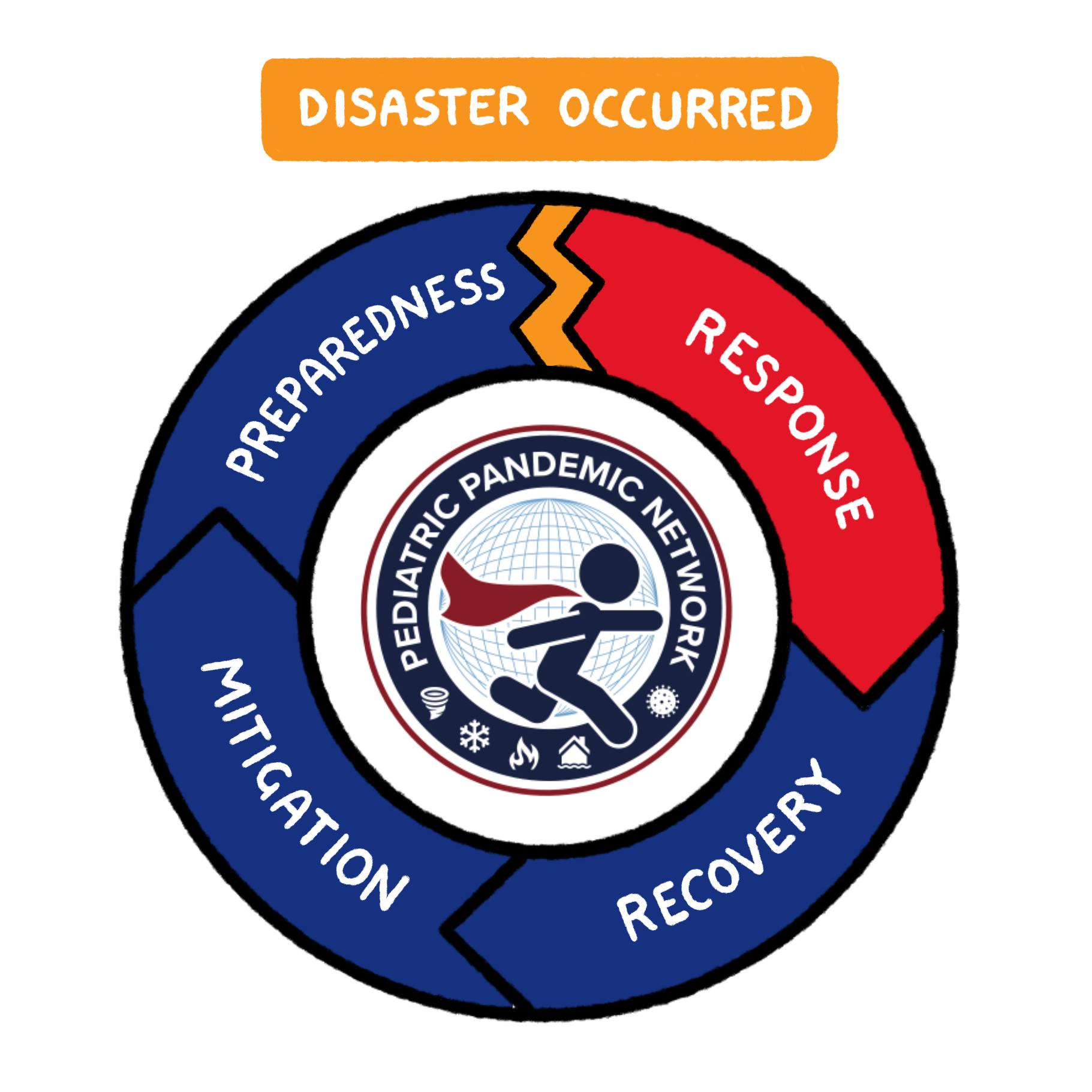
Patients, families, and medical providers may experience traumatic stress after direct or indirect exposure to a catastrophic event. This stress can affect emotional functioning, interactions with others, activities of daily living, and how an individual responds to and heals from medical intervention.
Following a traumatic event, individuals may experience a range of intense reactions intended to support survival and increase their sense of safety. It is important to clarify that these reactions are normal. During a crisis, a person’s decision-making abilities may also be limited. Understanding common trauma reactions can reduce the shame or discomfort that often accompanies them.
Behavioral health clinicians can reduce anxiety and promote adaptive functioning by helping people understand their current state, consider what comes next, and create response and treatment plans tailored to their individual needs.
Response strategies and interventions are key components of a trauma-informed system of care.
Working with Families
When frightening and unpredictable events occur, children look to their parents and other adults to determine whether their world is safe and for guidance about what to do next. Health care team members can give parents and caregivers specific strategies for supporting their children.
When a parent is doing well, their child benefits. One of the most effective ways clinicians can support children during a crisis is to support their parents and caregivers.
Providing clear, practical steps for moving forward in a healthy manner can increase a family’s sense of safety and confidence. This support can help a child return to baseline functioning or adjust to a new normal.
Actionable Steps
Behavioral health clinicians can share accessible resources from the National Child Traumatic Stress Network (NCTSN) to support parents and caregivers, including:
- Talking to Children When Scary Things Happen
- Creating Supportive Environments When Scary Things Happen
- Help Kids Cope Mobile App
These resources can help parents and caregivers talk with their children about disasters and create supportive environments after frightening events.
Behavioral health clinicians should be prepared to respond to a continuum of trauma reactions. Responses may range from providing a brief intervention, such as Skills for Psychological Recovery (SPR) in an outpatient setting, to participating in behavioral health emergency response teams operating within an emergency department.
Consider how you can best support response efforts for patients, families, and the systems in which you work.
Learning Objectives
- Identify and apply the six principles of trauma-informed care at the bedside when responding to community violence.
- Identify opportunities to educate and support parents as they help their children through the recovery process.
- Explain how Skills for Psychological Recovery can be used in the weeks and months following a disaster.
3.1. A Trauma Informed Approach to Supporting Survivors of Community Violence in a Hospital Setting
Matthew Krock, MSSA, LISW-S
Objectives
- Identify and apply the six principles of trauma-informed care at the bedside when responding to community violence.
- Identify the four stages of escalation and the appropriate staff responses in the Crisis Development Model.
Introduction
The following guide presents a hospital bedside approach for patients, families, and hospital visitors affected by community violence, including gun violence, assault, and domestic violence. The guide incorporates a trauma-informed approach, Psychological First Aid (PFA), and Nonviolent Crisis Intervention strategies.
This article explains how a trauma-informed approach can serve as an overarching guide and describes the four stages of escalation and corresponding staff responses in the Crisis Development Model.
Key Content
Surviving trauma, particularly community violence, places intense strain on the individuals, families, and staff involved. People who receive appropriate support are less likely to experience retraumatization.
According to the Substance Abuse and Mental Health Services Administration (SAMHSA), a trauma-informed organization understands the widespread effects of trauma and possible paths to recovery. It recognizes signs and symptoms of trauma, integrates trauma knowledge into policies and practices, and actively works to prevent retraumatization.
Six principles guide a trauma-informed approach:
- Safety
- Trustworthiness and Transparency
- Peer Support
- Collaboration and Mutuality
- Empowerment, Voice, and Choice
- Cultural, Historical, and Gender Issues
1. Safety
Establishing and communicating safety to patients and their families must be the first priority. Although physical and perceived safety are related, they are distinct. Providers must address immediate safety concerns while also considering the survivor’s perceived sense of safety and their own safety.
Trauma survivors often experience a heightened sense of danger. Perceived threats can produce fight, flight, or freeze responses that may appear as:
- Aggressive behavior: Yelling, threatening, intimidating, or engaging in violence.
- Avoidant behavior: Rushing through interactions or appearing jumpy, nervous, or fidgety.
- Shutting down: Not engaging with others or appearing numb, distracted, or “spaced out.”
A provider who feels unsafe may unintentionally respond in ways that elicit a trauma reaction and escalate the situation. Staff should understand these behaviors in the context of acute stress, avoid overreacting, recognize how their actions may escalate or de-escalate a crisis, and use adaptive coping strategies to manage their own responses to stress.
2. Trustworthiness and Transparency
In support of safety, providers must build rapport through trustworthiness and transparency. Offer as much privacy as possible to increase comfort and protect sensitive information.
- Introduce yourself and explain your role.
- Summarize what you already know and state your purpose.
- Use clear, concise language and avoid jargon.
- Adapt communication to the developmental level of the audience, particularly when speaking with children.
- Observe signs of emotional or physical discomfort and address them before proceeding.
- Ask about and respond to immediate needs.
Do not come empty-handed. Small gestures, such as offering a blanket, water, or useful information, can help build trust and rapport.
3. Peer Support
Reuniting patients with family members and loved ones is an important source of comfort and support. A patient experiencing acute trauma may arrive unidentified, be placed under an alias, or be too ill to communicate. Patients also frequently arrive directly from the scene without family or friends.
Separation from a loved one and limited access to information can be distressing for visitors. For an injured patient, separation may add to feelings of panic and isolation. Hospital staff also have an interest in connecting with relatives who may have critical information about allergies, medical history, and current medications.
Staff should identify the patient’s trusted family members or loved ones and appropriately manage visitation and access to patient information. Patients with intentional injuries may require additional safety and security precautions.
Large groups may gather following serious or violent injuries. Although their intent is generally to support the patient, managing the group can be challenging. Staff should:
- Identify the patient.
- Identify and contact the next of kin or primary decision-maker.
- When a large group is present, designate one primary contact through whom information and instructions can flow.
- Select a contact who is reasonably calm, communicates effectively, and is respected by the other group members.
4. Collaboration and Mutuality
Collaboration and mutuality are essential to maintaining a successful patient-provider relationship. Staff should emphasize shared interests and avoid power struggles. Health and safety provide a common foundation on which patients, loved ones, and staff can develop more specific goals.
Continuous communication and partnership are important when navigating a crisis. Providers may encounter patients and family members experiencing varying levels of anxiety and dysregulation. The Crisis Development Model can help providers identify crisis behaviors and choose a response that supports de-escalation.
The Crisis Development Model
The Crisis Prevention Institute identifies four levels of crisis behavior, each with a corresponding staff response:
| Crisis Behavior Level | Staff Approach |
|---|---|
| 1. Anxiety | Supportive |
| 2. Defensive | Directive |
| 3. Risk Behavior | Safety Interventions |
| 4. Tension Reduction | Therapeutic Rapport |
Anxiety: Use a Supportive Approach
When a person shows signs of anxiety, use a supportive approach. Acknowledge that the person appears uncomfortable and offer assistance.
Defensive Behavior: Be Directive and Set Limits
Defensive behavior may include refusing requests, questioning staff authority, or using intimidation. The appropriate response is to be directive and establish limits. Strategies may include:
- Use “when/then” statements.
- Provide two appropriate options.
- Establish clear and realistic boundaries.
- Follow through when boundary violations occur.
- Ignore inappropriate questions and answer appropriate questions.
Risk Behavior: Use Approved Safety Interventions
When a person engages in behavior that presents an immediate safety risk, nonviolent physical interventions may be required. These interventions should only be used according to organizational safety and security protocols and by staff who have the required training and authorization.
Staff should remain current on organizational workplace-violence policies and complete crisis prevention and intervention training at regular intervals.
Many violent incidents are preventable. Consistent use of evidence-based violence prevention and intervention models can help minimize risk.
Tension Reduction: Re-establish Therapeutic Rapport
Tension reduction typically follows an expenditure of emotional or physical energy, such as yelling, venting, or physical aggression. The individual may be emotionally and physically exhausted and beginning to regain rational control.
Providers can use this recovery period to re-establish communication through therapeutic rapport. Approach the person without judgment, use a nonthreatening manner, and provide support while the person recovers and regains control.
Providers seeking more detailed instruction in the Crisis Development Model and crisis intervention techniques should complete Nonviolent Crisis Intervention training from the Crisis Prevention Institute.
5. Empowerment, Voice, and Choice
The fifth principle of a trauma-informed approach is empowerment, voice, and choice. This principle is closely connected to collaboration and mutuality.
Loss of control and feelings of helplessness are inherent in crisis and trauma. The hospital setting may unintentionally add to these feelings. Survivors are suddenly placed in an unfamiliar system over which they may have little control. Family members must entrust the patient’s health and welfare to providers who, despite being trained and compassionate, are likely strangers.
Providers should empower patients and loved ones as much as is reasonably and safely possible. Create opportunities for their voices to be heard and their concerns to be addressed. Recognizing the inherent power imbalance between patients and providers can help prevent power struggles and escalation.
6. Cultural, Historical, and Gender Issues
Providers must understand how cultural, historical, gender, and other perceived differences can affect the quality of care. Health care disparities have been documented among populations based on race, gender, income, and other factors.
Health care systems and providers committed to high-quality care have a responsibility to address these disparities. Organizations should maintain nondiscrimination policies and actively promote diversity, equity, and inclusion.
Individual providers should:
- Avoid stereotyping patients and visitors.
- Participate regularly in anti-bias education from reputable sources.
- Provide culturally affirming rather than alienating services.
- Consider accommodations such as lactation rooms and developmentally appropriate environments and activities for children.
- Recognize how religious beliefs may affect medical decision-making.
- Become familiar with the population served and the surrounding community.
The places where people live, work, and play contribute substantially to overall health and wellness. These factors are known as the social determinants of health. Historical trauma also has real and lasting effects on current and future generations. Understanding and acknowledging these effects can help providers and organizations avoid perpetuating harm.
Takeaway Points
Patients seeking medical treatment immediately after community violence require specialized care and attention to prevent retraumatization.
- Trauma-informed care provides an overarching framework that systems, organizations, and providers can use to support survivors of community violence, their loved ones, and hospital staff.
- The Crisis Development Model provides specific tools clinicians can use to maximize safety by recognizing, preventing, and responding to a crisis.
Action Item
What barriers could prevent you from using these trauma-informed strategies in your interactions with patients and families? What could be done to address those barriers?
Additional Information
Training and Webinars
- Psychological First Aid (PFA) Online
- Skills for Psychological Recovery (SPR) Online
- Nonviolent Crisis Intervention Training
Books and Guides
- Practical Guide for Implementing a Trauma-Informed Approach , Substance Abuse and Mental Health Services Administration.
- Psychological First Aid: Field Operations Guide, Second Edition, National Child Traumatic Stress Network.
- Skills for Psychological Recovery: Field Operations Guide, National Child Traumatic Stress Network.
- Learner’s Guide: Nonviolent Crisis Intervention Foundation Course, Crisis Prevention Institute.
Journal Article
3.2. How to Support Resilience in Infants and Young Children Following a Catastrophic Event
Patty A. Davis, LSCSW, LCSW, IMH-E® (III)
Objectives
- Define the importance of primary caregivers’ role in a child’s resilience.
- Identify opportunities to educate and support parental competence during a child’s recovery process.
Introduction
Infant and Early Childhood Mental Health is a major component of early childhood social and emotional development. Although the term may be unfamiliar to some, the field of infant mental health has existed since the late 1970s.
Infant mental health concerns a child’s social and emotional development from birth through age 3. Understanding this development helps professionals prevent and treat mental health concerns in very young children and their families while supporting healthy social and emotional behavior.
Adapted from Zero to Three
To clarify that this concept includes children through age 3, the term “early childhood” has been added during the past decade. This article uses Infant and Early Childhood Mental Health (I&ECMH) to describe the overall concept.
Dispelling Myths from the Past
Common Myths
- Infants and toddlers do not remember.
- Babies are inherently resilient.
- Babies cry because they are spoiled.
- Babies do not understand anything.
- Babies are a blank slate.
- All problems originate within the child.
It was once assumed that infants were not significantly affected by their surroundings. Today, evidence demonstrates that infants and young children are affected by their environments.
For example, leaving a child in a car seat for an extended period without interaction or opportunities for exploration can negatively affect brain development. Similar changes can occur when children live in environments characterized by high stress and a lack of supportive interaction or protection.
High-stress environments without consistent comfort and nurturing can alter brain development. A young child may adapt by shutting down or minimizing interactive communication.
Traumatic Stress Symptoms and Behaviors
When people experience stress, their bodies and minds move away from baseline functioning and into fight, flight, or freeze responses. From a physiological perspective, the hypothalamic-pituitary-adrenal (HPA) axis becomes activated. This activation produces automatic physical and emotional responses in all people, including infants and young children.
Infants and young children may lack the language needed to communicate their feelings and traumatic memories. Instead, they communicate through behavior. No single behavior confirms exposure to traumatic stress. The child’s history, possible exposures, and patterns of behavior must be considered together.
| Infants and Children Through Age 2 | Children Ages 2–3 |
|---|---|
|
|
A child’s reactions to trauma may be brief, and the child may recover without ongoing problems. When reactions continue, the child or caregiver may need additional support.
Types of Stress
Stressful experiences are a normal part of child development. Events that substantially activate the stress-response system—such as the death of a parent, child maltreatment, or painful medical interventions—can have long-term effects. Whether an experience produces tolerable or toxic stress depends largely on the support surrounding the child.
The Center on the Developing Child at Harvard University describes three types of stress:
Positive Stress
Positive stress occurs during a brief, distressing experience that is commonly expected as part of healthy development. Examples include receiving an immunization, attending preschool for the first time, or being dropped off at childcare.
These experiences may briefly increase heart rate and stress hormone levels, but the child returns to baseline relatively quickly. Positive stress helps children develop the ability to manage distress and calm themselves.
Tolerable Stress
Tolerable stress occurs when a child experiences a serious stressor but has a caregiver who provides protection, support, repair after harm or injury, or a reduction in the time spent under stress.
This support buffers the intensity of the child’s stress response until the child returns to a previous baseline or adjusts to a new baseline.
Toxic Stress
Toxic stress can occur when a child experiences prolonged stress without protective, buffering support. Examples include living with someone who has a severe emotional disturbance or substance use disorder without other reliable supports in place.
In these circumstances, the child’s fight-or-flight system may remain on high alert. The body continues preparing for danger, even when no immediate crisis is occurring. Functions such as digestion may be disrupted as the body redirects energy toward survival.
When the body and mind cannot return to baseline for an extended period, stress overload can eventually damage otherwise healthy brain and body systems.
Safe, Stable, and Nurturing Relationships
Supporting resilience in infants and young children during a catastrophic event begins with the same principles that support healthy responses to everyday stress. Efforts to build resilience should protect and restore the basic developmental systems that adversity may disrupt.
Resilience is not simply an inborn trait. During the first years of life, primary caregivers help children build emotional resilience while also meeting their basic needs. By providing support when it is needed, caregivers teach infants and children how to calm and return to baseline after the stress-response system has been activated.
For example, an infant with an earache may experience pain, dysregulation, and a need for support. The caregiver must provide timely protection, comfort, and care. When a child cries and a caregiver responds quickly and lovingly, the child begins to learn emotional regulation.
Infants and young children initially regulate their emotions and responses through their caregivers. These repeated experiences promote social and emotional development. Secure parent-child attachment also serves as a protective factor for physical and mental health.
Safe, stable, and nurturing relationships (SSNRs) are central to building emotional resilience and supporting healthy brain development.
Children with responsive caregivers can explore their environments more safely. A reliable sense of security supports exploration, learning, and physical development.
What Can We Do?
To prevent toxic stress overload, professionals should maximize the protective buffers that primary caregivers can provide. Following a catastrophic event, infant mental health practice should strengthen the parent-child relationship as a vehicle for restoring and protecting the child’s mental health.
Encourage Attachment Behaviors
- Physical proximity and touch: Encourage safe, comforting physical proximity, including skin-to-skin contact when appropriate. Touch promotes connection and can help calm both the child and caregiver during a crisis.
- Verbal interaction: Encourage caregivers to talk, read, and sing to infants. For verbal children, create a safe opportunity for them to talk about their experience.
- Responding to basic needs: Feeding the child, changing diapers, and keeping the child warm communicate safety and protection while strengthening attachment.
Promote Parental Competence and Resilience
- Offer specific praise: Tell caregivers what they are doing well. Remind them that they are central to their child’s recovery and that their loving, supportive connection can help both caregiver and child heal.
- Support structure and routine: Predictable daily routines increase stability. Knowing what comes next can reduce anxiety and worry for both the caregiver and child.
Model Safe, Stable, and Nurturing Care for Parents
- Support control: Help parents confidently resume their role in guiding the child. Assist them with developing a clear action plan to reduce anxiety and increase competence.
- Respond mindfully: Check your own stress level and pause to regulate yourself when necessary.
- Maintain curiosity: Consider what else may be happening in the family’s life and contributing to distress.
- Help name feelings: Providing language for feelings of overwhelm can normalize the experience and support healing.
- “Speak for Baby”: Voice what the child might say if they had the words. For example: “My parent is taking such good care of me. I feel safe when they hold and comfort me.”
- Give grace: Do not take strong emotional reactions personally. Normalize stress responses while maintaining clear limits around unsafe or violent behavior.
These behaviors provide both hope and practical guidance. Clinicians can model the same regulation, patience, and care they want parents to offer their children.
Infant and Early Childhood Mental Health in Practice
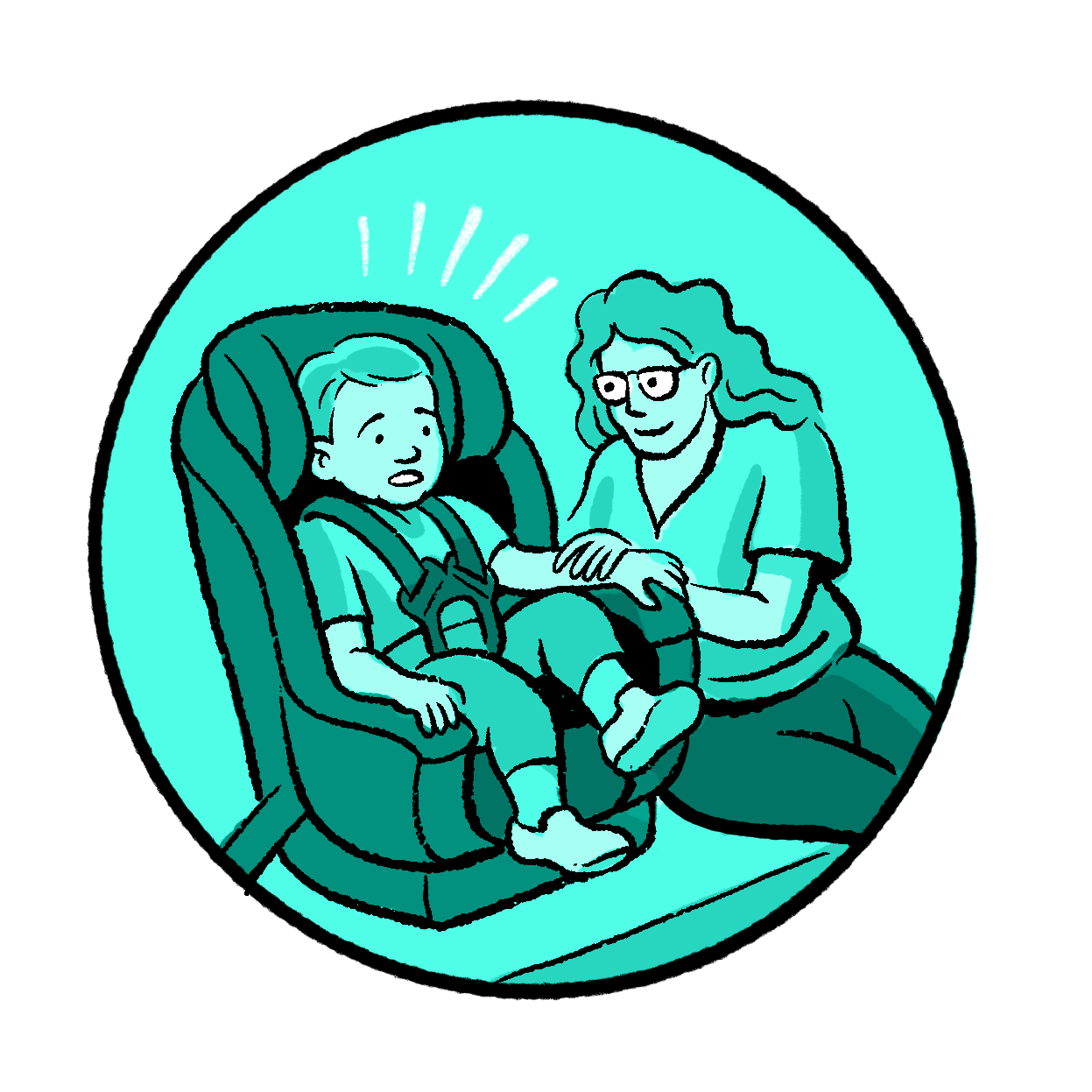
Case Scenario
The parent of a 2-year-old child named Kaleb visits the primary care provider with concerns that he is displaying trauma-related behaviors. Twenty days earlier, Kaleb and his family were together in a car when another vehicle struck them.
On the day of the accident, Kaleb was assessed and treated for seat belt burns, which are now mostly healed. Other family members continue to recover from more severe injuries.
Kaleb experienced several acute trauma reactions, some of which are subsiding. Immediately after the accident, he woke each night screaming “no.” He startled easily in response to loud noises. His strong startle response lasted approximately a week and a half but has decreased during the past week.
At first, getting into his car seat was frightening, but that reaction has resolved. Kaleb still cries or responds fearfully when the car turns a corner or enters a roundabout. He does not want to leave his mother’s side, has remained home from daycare, and has more frequent temper tantrums.
Kaleb’s mother reports that when he wakes screaming, she gently rocks him, makes soothing sounds, and reassures him that he is safe and that the family will be okay. The family talks openly about the accident in front of Kaleb, and his mother wonders whether this is appropriate. She is also worried about sending him back to daycare because he wants to remain close to her.
Although Kaleb’s symptoms have improved during the past week, his mother is seeking additional strategies to support him.
Provider Response
Provide psychoeducation: Explain common stress reactions in children younger than age 6, including how preverbal children may communicate distress through behavior.
Encourage attachment behaviors: Encourage continued physical touch and gentle verbal interaction to help buffer Kaleb’s stress response. Praise his mother for her actions and explain that her safe, loving touch and reassurance may already be supporting his recovery.
Continue daily structure: Encourage a return to normal routines, including daycare when appropriate, to increase predictability and stability.
Respond mindfully: Encourage Kaleb’s mother to monitor her own stress level when responding to questions or conversations about the crash.
Name feelings and reinforce safety: Use consistent language when Kaleb becomes anxious in the car. For example: “It is okay to feel worried. Let’s sing a song while the car goes around the turn and notice that we are safe.”
Openly discussing the event and naming feelings can show Kaleb and his family that the event is not too overwhelming for the family to manage.
Use “Speak for Baby”: Voice what Kaleb might say to strengthen parental attunement. Examples include: “My mom helps me feel safe,” and “My mom is taking such good care of me. I feel better when she holds and comforts me.”
Follow-Up Instructions
Remind Kaleb’s mother that his reactions are understandable and appear to be improving. Ask her to contact the primary care office if the behaviors do not continue to subside or if they increase in severity or frequency.
Additional Information
Training
- Erikson Institute Infant and Early Childhood Mental Health Certificate
- Zero to Three: Infant and Early Childhood Mental Health
Resources and Toolkits
- Infant and Early Childhood Mental Health Resource Toolkit , American Academy of Pediatrics.
- Center on the Social and Emotional Foundations for Early Learning
- Center on the Developing Child at Harvard University
Books and Scholarly Articles
- Masten, A. S. (2014). Ordinary Magic: Resilience in Development. Guilford Press.
- Garner, A., Yogman, M., Committee on Psychosocial Aspects of Child and Family Health, Section on Developmental and Behavioral Pediatrics, and Council on Early Childhood. (2021). “Preventing Childhood Toxic Stress: Partnering With Families and Communities to Promote Relational Health.” Pediatrics, 148(2).
3.3. Implementation of Skills for Psychological Recovery
Kimberly Burkhart, Ph.D.
Objectives
- Explain how Skills for Psychological Recovery can be used in the weeks and months following a disaster.
- Identify training resources.
Skills for Psychological Recovery (SPR), created by the National Child Traumatic Stress Network and the National Center for PTSD, is intended for use with people of all ages. It can be implemented in settings such as emergency or crisis counseling centers, community mental health centers, primary care practices, and schools.
SPR is intended for delivery in the weeks and months following a disaster or when survivors need more intensive support than Psychological First Aid (PFA) can provide. SPR helps survivors develop strategies for managing distress and improving coping.
Assumptions
SPR recognizes that disaster survivors may experience reactions affecting their physical, psychological, behavioral, and spiritual functioning. This empirically supported, modular approach does not presume that survivors have psychopathology.
SPR focuses on helping survivors regain a sense of control and competence.
SPR can be delivered in a single session, although experts generally recommend three to five sessions. It is designed for delivery by a mental health clinician or another appropriately trained medical provider.
Guidelines
Before delivering SPR, the provider should assess what is currently happening in the survivor’s life and how much time the survivor can devote to learning new coping skills.
The intervention will differ depending on whether it consists of one encounter four weeks after a disaster or several sessions delivered one year later. For example, an early and time-limited intervention may focus on problem-solving. An intervention delivered later and across several encounters may place greater emphasis on helpful thinking.
The provider-survivor relationship should emphasize perseverance, motivation, existing strengths, and the development of practical coping skills. The provider and survivor work collaboratively to establish goals and select areas of focus.
Goals and Core Skills
SPR has four primary goals:
- Protect survivors’ mental health.
- Enhance survivors’ ability to address their needs and concerns.
- Teach skills that promote recovery.
- Prevent maladaptive behavior by teaching adaptive coping strategies.
These goals are addressed through four core skills:
- Building Problem-Solving Skills: Identify the problem, generate possible options, select a solution, and evaluate the outcome.
- Promoting Positive Activities: Improve mood by identifying and scheduling activities that promote positive feelings.
- Managing Reactions: Reduce physical and emotional reactions to distressing situations by learning adaptive coping skills.
- Promoting Helpful Thinking: Identify negative automatic thoughts and learn strategies for evaluating and countering them.
Skills for Psychological Recovery in Practice
Case Scenario
An 8-year-old girl, “Kara,” presents to a primary care clinic because of difficulty falling and staying asleep, stomachaches, and headaches. A thorough medical evaluation has been completed.
A review of Kara’s electronic medical record shows that a tornado passed through her neighborhood six weeks earlier. You have been asked to respond to Kara.
What Should You Do?
Consult the Skills for Psychological Recovery Field Operations Guide. Assess how the tornado affected Kara’s living situation, school attendance, and current functioning in four areas:
- Behavioral
- Emotional
- Physical
- Cognitive
The tornado destroyed part of Kara’s home, and the family will not be able to return for some time. Kara and her immediate family are currently living in an extended-stay hotel.
At bedtime, Kara worries that another tornado will occur during the night. She has difficulty separating from her family, develops stomachaches before school, and experiences headaches while at school. Kara and her mother agree to participate in four weekly SPR sessions.
Applying the Core Skills
Building Problem-Solving Skills: Kara defines the problem as “not feeling well.” She reports staying awake to watch for tornadoes and using her phone late into the night.
The clinician works with Kara and her mother to identify options for falling asleep more easily. The resulting plan includes:
- Ending screen use at least one hour before bedtime.
- Maintaining a consistent bedtime routine.
- Having a parent tuck Kara into bed.
- Practicing diaphragmatic breathing.
- Using relaxing visual imagery.
- Using white noise.
Promoting Positive Activities: Kara enjoys reading, swimming, and playing volleyball. The clinician provides a calendar and helps the family schedule enjoyable activities to re-establish a routine.
Kara’s mother agrees to take her to the library every other Wednesday after school. Kara will also remain after school on Mondays and Tuesdays to practice for volleyball tryouts. Increasing positive activities is intended to improve Kara’s mood.
Managing Reactions: Kara has difficulty managing her reactions when separating from her parents to attend school. She learns diaphragmatic breathing and progressive muscle relaxation.
Promoting Helpful Thinking: Kara frequently thinks, “Something bad is going to happen to my family. My parents could die.” She learns how these thoughts increase anxiety.
The clinician helps Kara identify and practice more helpful thoughts, such as: “Although my house was damaged, everyone in my family is okay. There is no evidence that my parents are going to die.”
Outcome
After four sessions, Kara can identify physical signs of anxiety. She has a weekly schedule that includes positive activities, which has improved her mood. She puts away her phone and uses progressive muscle relaxation at bedtime, decreasing the time needed to fall asleep. Kara also uses helpful thoughts, such as “My family is okay,” to manage anxiety.
Additional Information
Training
Field Guide
Journal Articles
- Implementing Skills for Psychological Recovery at a Psychology Training Clinic During COVID-19
- Novel Application of Skills for Psychological Recovery as an Early Intervention for Violent Loss: Rationale and Case Examples
- Skills for Psychological Recovery: Evaluation of a Post-Disaster Mental Health Training Program
3.4. Chapter Review
Chapter Review Questions
- What is Infant and Early Childhood Mental Health (I&ECMH)?
- The Crisis Development Model identifies four crisis behavior levels: anxiety, defensive behavior, risk behavior, and tension reduction. What is the appropriate staff response to defensive behavior?
- What are the four core skills of Skills for Psychological Recovery (SPR)?
- What assumptions form the basis of SPR?
- What is the most appropriate first step when approaching a trauma survivor in a hospital setting?
- What behavior may occur as a common response to acute stress in trauma survivors, and how should providers respond?
- What does the acronym SSNR stand for?
- How is emotional resilience developed in infants and young children?
- What is one goal of SPR?
- What are the six principles of trauma-informed care?
3.5. Claim Credit & Certificate
After reading all of the chapter, you are eligible to earn:
1.0 PPN Contact Hour / CE Credit + Certificate of Participation
Claim Your Credit or Certificate
Step 1: Log into PPN CE.
Step 2: On the PPN CE course page, click the blue Register button, then the red Take Course button, followed by the red Start Course button.

Step 3: Enter your attendance code QAMNUC.
Step 4: Follow the prompts to complete the quiz and evaluation until the page reads "Course Complete."
Start here: PPN CE course page
Once complete, your credit and/or certificate will be available under My Activities → Completed Activities.
Need help? View the step-by-step claiming guide for detailed instructions, screenshots, and support information.
Earn a Certificate of Completion
After completing all 4 Pediatric Behavioral Health chapters and their associated requirements, you are also eligible to receive an overall Pediatric Behavioral Health Certificate of Completion.
Check your progress toward completing all 4 chapters
Completed the full book? Claim your Certificate of Completion .
4. Recovery
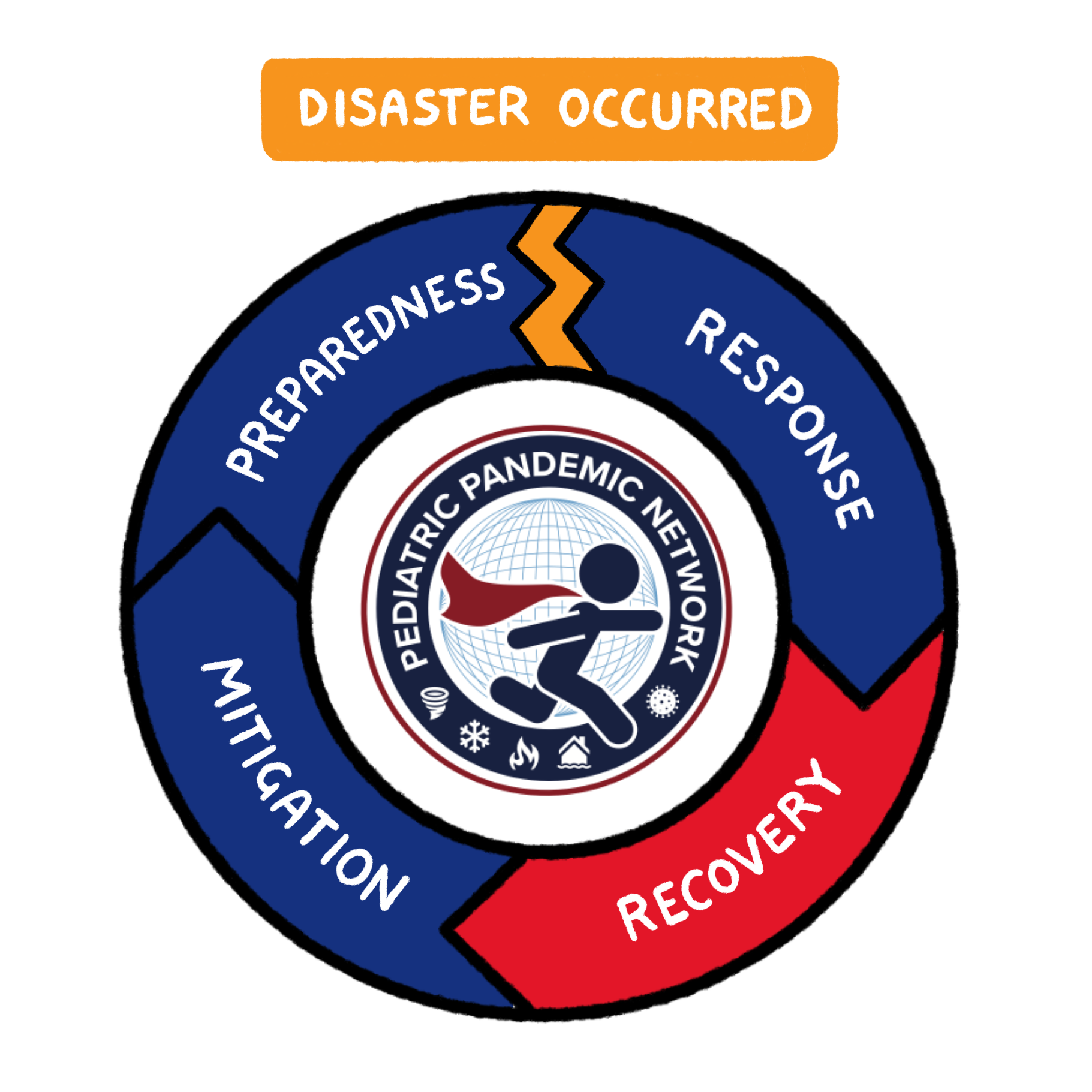
Recovery strategies involve stabilizing and restoring behavioral health supports through a coordinated effort to help children and families return to their pre-disaster level of functioning or adjust to a new normal.
Building Hope and Supporting Family Recovery
Behavioral health clinicians can help families understand that recovery is possible. Appropriate interventions can mitigate the physical and mental health effects of toxic stress.
It may be helpful to explain that neural plasticity, also called brain plasticity, allows neural networks in the brain to change through growth and reorganization. With continued support and opportunities to heal, the brain can develop new pathways.
Treatment does not attempt to erase the trauma. Instead, it helps the patient understand the experience as one part of their history rather than the entirety of their story.
Families should know that evidence-based interventions are available to treat posttraumatic stress disorder, anxiety disorders, and depressive disorders. Therapy can help patients move from cognitive distortions and negative thoughts toward more adaptive ways of managing overwhelming feelings, thoughts, and triggers.
Licensed Behavioral Health Interventions
Trauma-focused therapies use a variety of techniques to help children process traumatic experiences. Some techniques involve creating a trauma narrative to reduce reactivity when recalling the event. Others focus on restructuring cognitive distortions, changing unhelpful trauma-related beliefs, resolving grief, and integrating positive memories.
Examples of trauma-focused interventions include:
- Trauma-Focused Cognitive Behavioral Therapy (TF-CBT)
- Trauma and Grief Component Therapy for Adolescents (TGCT-A)
- Eye Movement Desensitization and Reprocessing (EMDR)
These treatment approaches incorporate coping skills for affect modulation and support family attachment and safety. Interventions may differ in their recommended age ranges, individual or group format, and level of caregiver involvement.
Treatments targeting specific trauma-related symptoms, such as sleep disruption, may also support recovery. Examples include Cognitive Behavioral Therapy for Insomnia (CBT-I) and Imagery Rehearsal Therapy (IRT).
Actionable Steps
Determine what training is required to provide evidence-based trauma interventions. Identify online and in-person training opportunities as well as follow-up consultation that supports fidelity to the selected treatment model.
Share information and resources with patients and families to help them participate in evidence-based treatment. Training and treatment resources include:
- TF-CBT Web 2.0 Training
- TF-CBT Certification Program
- California Evidence-Based Clearinghouse: Child and Adolescent Trauma-Treatment Interventions
- California Evidence-Based Clearinghouse: EMDR Resources
Consider which evidence-based intervention best matches your clinical role, patient population, training, and opportunities for ongoing consultation.
Learning Objectives
- Identify three strategies associated with imagery rehearsal that can improve sleep.
- Identify key components of CBT-I and relevant training resources.
- Describe the core components of TF-CBT, including the PRACTICE model.
4.1. Taking the Fear out of Children’s Dreams Following a Disaster: The Wonder of Imagery Rehearsal Therapy
Carolyn Ievers-Landis, Ph.D., DBSM, and Kimberly Burkhart, Ph.D.
Objectives
- Explain how a traumatic event can affect sleep.
- Identify three imagery rehearsal strategies that can improve sleep.
Consider what happens when children experience seemingly uncontrollable events during a disaster. They may see or hear things that are physically threatening and emotionally frightening. They may also experience losses, including the serious illness or death of a family member.
Children commonly spend considerable time thinking about these events and worrying about their own safety or the safety of others. Some children develop traumatic stress symptoms, including insomnia and nightmares.
How a Nightmare Cycle Develops
After a frightening dream, a child may run to a parent’s bedroom for comfort. The child may describe in vivid detail what they saw, heard, did, and felt in the dream. The parent listens, comforts the child, and may allow the child to remain in the parent’s bed for the rest of the night.
Parents may then begin regularly asking whether the child had any bad dreams or nightmares.
Repeatedly focusing on nightmares can prime a child to pay particular attention to frightening dreams.
When another nightmare occurs, the same pattern may repeat: the child has a frightening dream, runs to the parent’s room, describes the dream in detail, receives comfort, and returns to sleep.
As the pattern becomes established, the child may become distressed at bedtime and anticipate experiencing the same terror. The child may try to stay awake to avoid dreaming or want to begin the night in the parent’s bed to prevent the nightmare or receive comfort more quickly. This cycle can continue for weeks, months, or even years.
Imagery Rehearsal Therapy
Imagery Rehearsal Therapy (IRT) is a straightforward therapeutic technique that can help interrupt the nightmare cycle. Barry Krakow, M.D., originally developed the strategy for adults experiencing frequent, distressing nightmares that disrupted their sleep. Research indicates that IRT can also be effective for children.
Demonstrated benefits of IRT include improved sleep, reduced anxiety, increased confidence in handling frightening situations, and generalization of coping skills.
IRT interrupts the nightmare cycle by directing the child’s attention toward positive imagery and helping the child develop a sense of control over dream content.
IRT in Practice
- Stop rehearsing details of frightening dreams. Avoid repeatedly discussing frightening details, such as the appearance of a monster or details of a traumatic event.
- Ask the child what they would prefer to dream about. Ask, “What would you rather dream?”
Possible themes include:
- A beach
- Unicorns and rainbows
- Exploring a rainforest or mountains
- Camping
- Animals playing
- Develop the new dream using all five senses. Help the child make the positive image vivid by asking sensory questions.
- What do you see? White, puffy clouds or tree branches swaying in the wind.
- What do you hear? Wind chimes or music playing.
- What do you smell? Suntan lotion or melted butter from popcorn.
- What do you feel? Sand between the toes or the warmth of the sun on the skin.
- What do you taste? Cool water or salt and butter on crunchy popcorn.
- Schedule 10–15 minutes to practice during the day.
Possible practice times include:
- After school and before homework
- At dinnertime while a parent prepares food
- As part of the bedtime routine
- Use creative activities to practice the new dream.
The child might:
- Draw pictures
- Make crafts
- Use stickers
- Write a book
- Tell a story
- Set realistic expectations about dream recall. Explain that people remember only a small portion of their dreams. Children may be having the new dream without remembering it the next morning.
Remind children and parents that occasionally having an unpleasant dream is normal. Clinicians can follow up and help resolve challenges associated with practicing the new dream.
The child may need to choose a different positive image or create a new, reassuring ending to the upsetting dream—one in which the child has a sense of control. Depending on the child’s developmental level, a parent may need to prompt and assist with rehearsal.
Additional Information
Journal Article
Professional Society Resources
4.2. Cognitive-Behavioral Therapy for Insomnia: Using the Science of Sleep to Guide Treatment
Carolyn Ievers-Landis, Ph.D., DBSM, and Kimberly Burkhart, Ph.D.
Objectives
- Identify at least three strategies for improving sleep.
- Identify key components of Cognitive Behavioral Therapy for Insomnia (CBT-I) and relevant training resources.
Children’s sleep is often affected by disasters and other large-scale events, including pandemics. However, too few providers have expertise in empirically validated treatments grounded in sleep science.
Effectively treating insomnia requires more than relaxation strategies and basic sleep hygiene. There is no one-size-fits-all approach.
Research examining the components of sleep hygiene demonstrates that the effects of particular behaviors vary among children. Recommendations should therefore be tailored to the child’s individual sleep patterns and needs.
Behaviors That Can Reinforce Insomnia
Recommendations for regular bedtimes may lead providers to suggest that parents put children to bed earlier. Parents may then feel guilty when their child does not fall asleep until much later.
An early bedtime can contribute to insomnia when the child is not yet sleepy.
Spending time awake in bed while worried or anxious can cause the child to associate the bed with wakefulness and distress rather than sleep. Sleeping substantially later on weekends may also contribute to insomnia by creating social jet lag.
Social jet lag resembles the effects of traveling across time zones. A disrupted sleep schedule can leave a child feeling tired, groggy, and less attentive.
Cognitive Behavioral Therapy for Insomnia
Cognitive Behavioral Therapy for Insomnia (CBT-I) is an empirically validated treatment based on sleep science. It has been adapted for children, adolescents, and adults. CBT-I extends beyond bedtime relaxation and standard sleep-hygiene advice.
More providers trained in CBT-I are needed to help caregivers address sleep disturbances associated with children’s traumatic experiences.
Core Components of CBT-I
- Sleep consolidation
- Stimulus control
- Cognitive restructuring
- Sleep hygiene
- Relaxation training
First-line behavioral strategies include stimulus control, developmentally appropriate sleep scheduling or restriction, and evidence-informed sleep hygiene.
Stimulus Control
Stimulus control involves creating an environment in which the bed and bedroom are consistently associated with relaxation and sleep rather than wakefulness, worry, or stimulating activities.
Sleep Scheduling and Bedtime Fading
Sleep scheduling helps ensure that the opportunity for sleep does not greatly exceed the child’s sleep needs. Bedtime fading can gradually align bedtime with the time when the child is naturally sleepy, working toward a typical sleep-onset latency of approximately 20–30 minutes.
Sleep Hygiene
Sleep-hygiene recommendations used as part of CBT-I should reflect current research rather than relying solely on broad rules about what is good or bad for children’s sleep.
General strategies may include:
- A predictable bedtime routine incorporating relaxing activities, such as taking a warm bath, listening to calming music, or completing a guided body scan.
- Sensory modifications such as noise-reducing headphones, eye masks, room-darkening curtains, or an appropriately selected weighted blanket.
Recommendations to Improve Sleep in Practice
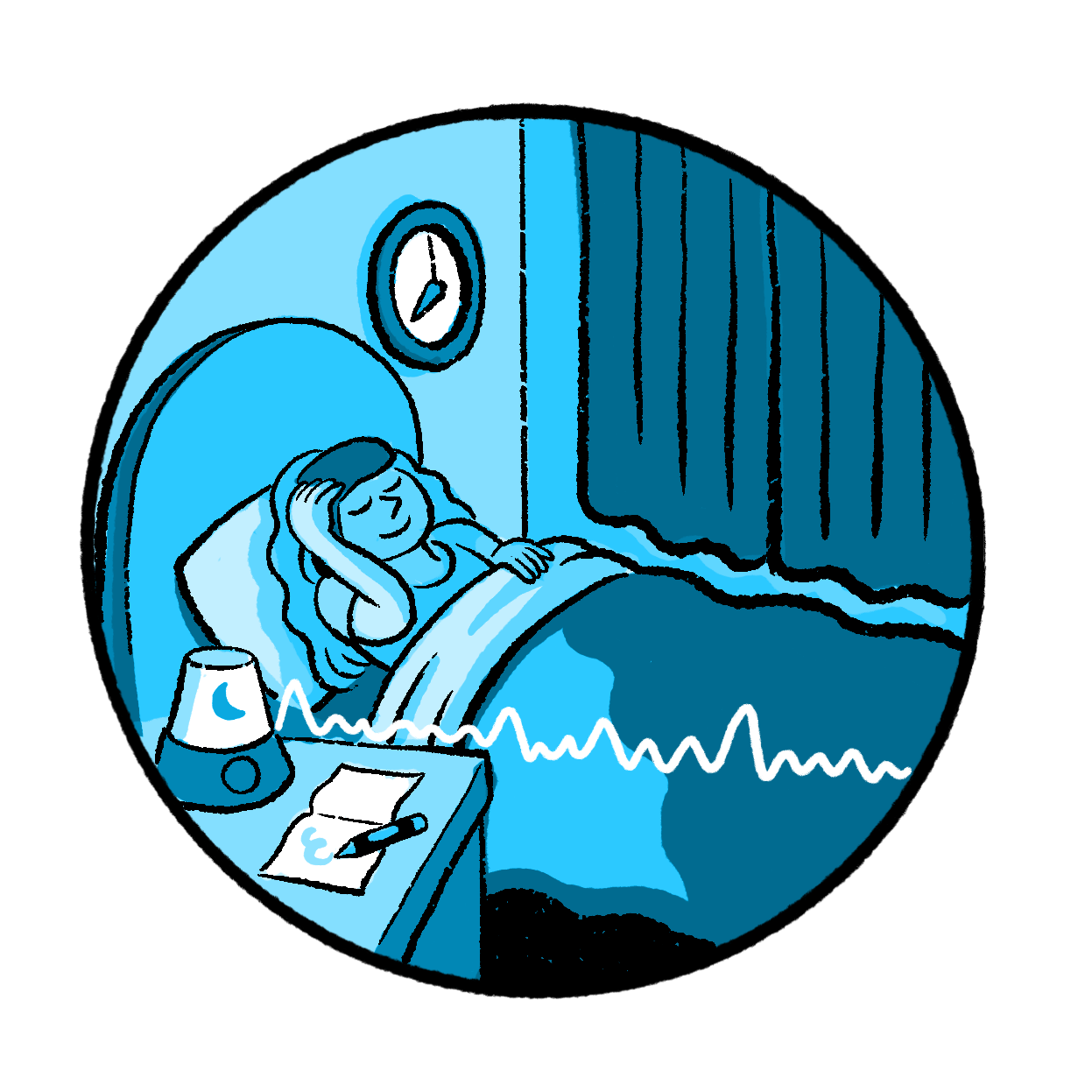
Case Scenario
A 10-year-old girl, “Cindy,” is having difficulty falling and staying asleep. Cindy reports that she cannot calm her body enough to fall asleep. Her parents report that she is tired during the day and takes naps after school.
The family has lived in an apartment for the past month while their home is remodeled because of water damage associated with a flood.
Follow-Up Questions
- How long have the sleep problems been present?
- How do Cindy’s parents typically respond to her sleep difficulties?
- What does Cindy’s bedtime routine include, and at what time does she go to bed?
- What is the bedroom environment like?
- What does Cindy do when she wakes during the night?
Recommendations
- Establish a predictable bedtime routine. Cindy should go to bed when drowsy but still awake. Beginning at least one hour before bedtime, she should follow a structured routine that includes relaxing activities such as bathing, coloring, diaphragmatic breathing, or progressive muscle relaxation. Video games should be avoided during the hour before bedtime.
- Create a sleep-supportive environment. Remove interactive toys from Cindy’s bed and keep the room cool and dark. A nightlight may be used if needed. Although the apartment is temporary, personalize the room with familiar items such as stuffed animals, pictures, posters, or other representations of Cindy’s interests.
- Respond consistently to nighttime wakefulness. If Cindy remains awake for approximately 20 minutes, she can leave the bed and engage in a quiet, minimally stimulating activity, such as looking through a previously read magazine. She can return to bed when drowsy.
- Support daytime sleep pressure. Encourage daily physical activity and avoid after-school naps.
- Use a calm, nonpunitive approach. Cindy’s parents should respond to sleep difficulties calmly and without punishment. Worries should be discussed and processed earlier in the day rather than immediately before sleep.
Additional Information
Training and Clinical Guides
- CBT-I Educational Products and Training
- Cognitive Behavioral Treatment of Insomnia: A Session-by-Session Guide
Journal Articles
- Cognitive Behavioral Therapy for Insomnia in School-Aged Children and Adolescents
- Efficacy of Cognitive Behavioral Therapy in Children and Adolescents with Insomnia: A Systematic Review and Meta-Analysis
Online Resources
4.3. Trauma-Focused Cognitive Behavioral Therapy in Response to a Disaster
Kimberly Burkhart, Ph.D., and Patty Davis, LSCSW, LCSW, IMH-E® (III)
Objectives
- Describe the core components of Trauma-Focused Cognitive Behavioral Therapy (TF-CBT), including the PRACTICE model.
- Recognize when TF-CBT is contraindicated.
Trauma-Focused Cognitive Behavioral Therapy (TF-CBT), developed by Drs. Judith Cohen, Anthony Mannarino, and Esther Deblinger, is intended for children and young adults ages 3–21 and their caregivers.
TF-CBT is designed to prevent and treat posttraumatic stress, depression, anxiety, and associated behavioral problems following one or more traumatic events.
TF-CBT has demonstrated effectiveness in treating posttraumatic symptoms associated with many types of trauma, including single and repeated events. It uses cognitive behavioral techniques and emphasizes the development and gradual processing of a trauma narrative.
Caregivers and children first learn skills for regulating emotions, behaviors, and thoughts. They then develop strategies for safely processing trauma memories and enhancing safety, trust, family communication, and parenting support.
Treatment includes individual sessions with the child or adolescent and conjoint sessions with the child and caregiver. TF-CBT is most helpful for children with sufficient verbal skills to discuss their experiences. Randomized controlled trials provide a strong evidence base for using TF-CBT to treat posttraumatic stress disorder. Treatment is typically delivered over 12–16 sessions.
PRACTICE Key Elements
The goal of TF-CBT is to reduce the effects of trauma and teach lifelong coping skills. The acronym PRACTICE represents the intervention’s core components.
| Element | Description |
|---|---|
| P | Psychoeducation about trauma: Provide information about common reactions and symptoms to help children, adolescents, and caregivers understand and normalize their experiences. Facts about traumatic stress, its prevalence, and expectations for recovery can reduce isolation and provide hope. |
| P | Parenting skills: Help caregivers support the child and create a safe environment. Following trauma, caregivers may become overly permissive or protective. Reviewing positive parenting strategies at the beginning of treatment can restore caregiver confidence and competence. |
| R | Relaxation skills: Teach strategies that help the child return to a calm baseline when feeling agitated, distressed, or anxious. |
| A | Affect modulation: Develop skills for identifying, expressing, and regulating emotions. |
| C | Cognitive coping: Explore relationships among thoughts, feelings, and behaviors. Help children recognize how their thoughts influence emotions and actions and develop more adaptive coping. |
| T | Trauma narrative and processing: Help the child gradually create and process a narrative of the traumatic experience through visualization, speaking, writing, or other developmentally appropriate methods. Previously learned coping skills support the child during this process.
Processing the narrative can reduce reactivity to trauma memories and help identify and correct inaccurate or unhelpful thoughts, such as “This was all my fault.” The process proceeds at a pace the child can safely tolerate. |
| I | In vivo mastery of trauma reminders: Address persistent avoidance of safe activities or situations associated with trauma reminders. Examples may include sleeping with the lights off, sleeping independently, riding in a car, traveling on a highway, or walking along a safe route.
Treatment may involve practicing coping skills while first imagining and then gradually engaging in the safe, avoided activity. |
| C | Conjoint child and caregiver sessions: Help caregivers support the child throughout the healing process. Caregivers may review aspects of the trauma narrative and learn the coping skills their child has practiced.
Sharing the trauma narrative can increase caregiver empathy and understanding. Caregivers often use the same cognitive behavioral skills themselves. |
| E | Enhancing safety and future development: Help children, adolescents, and caregivers communicate about confusing or frightening experiences, recognize warning signs, practice safety skills, and increase confidence in their ability to remain safe. |
Who Is Involved in TF-CBT?
TF-CBT uses both individual sessions with the child or adolescent and conjoint sessions with the child and caregiver. When a child is living outside the family home, the participating caregiver may be a foster parent or another safe adult in the child’s life.
Although TF-CBT is often delivered to a child and caregiver in a clinical setting, it has also demonstrated effectiveness with or without direct caregiver participation in settings such as schools, foster homes, and group homes.
When Is TF-CBT Contraindicated?
- Acute risk: Children or adolescents with current suicidal or homicidal ideation need immediate safety assessment, stabilization, and acute care before beginning TF-CBT.
- Unstable eating disorder: A child or adolescent with an eating disorder should return to and maintain a medically stable baseline before beginning trauma-processing work.
- Ongoing safety threats: When environmental stressors or threats are still occurring, treatment should initially focus on safety, stabilization, and reducing the immediate threat before beginning TF-CBT.
Examples of Indications for TF-CBT
- Exposure to natural disasters, such as hurricanes or tsunamis.
- Exposure to human-caused disasters, such as terrorism or war.
- Exposure to other traumatic events, such as child maltreatment, motor vehicle crashes, severe illness, or family disruption.
TF-CBT in Practice
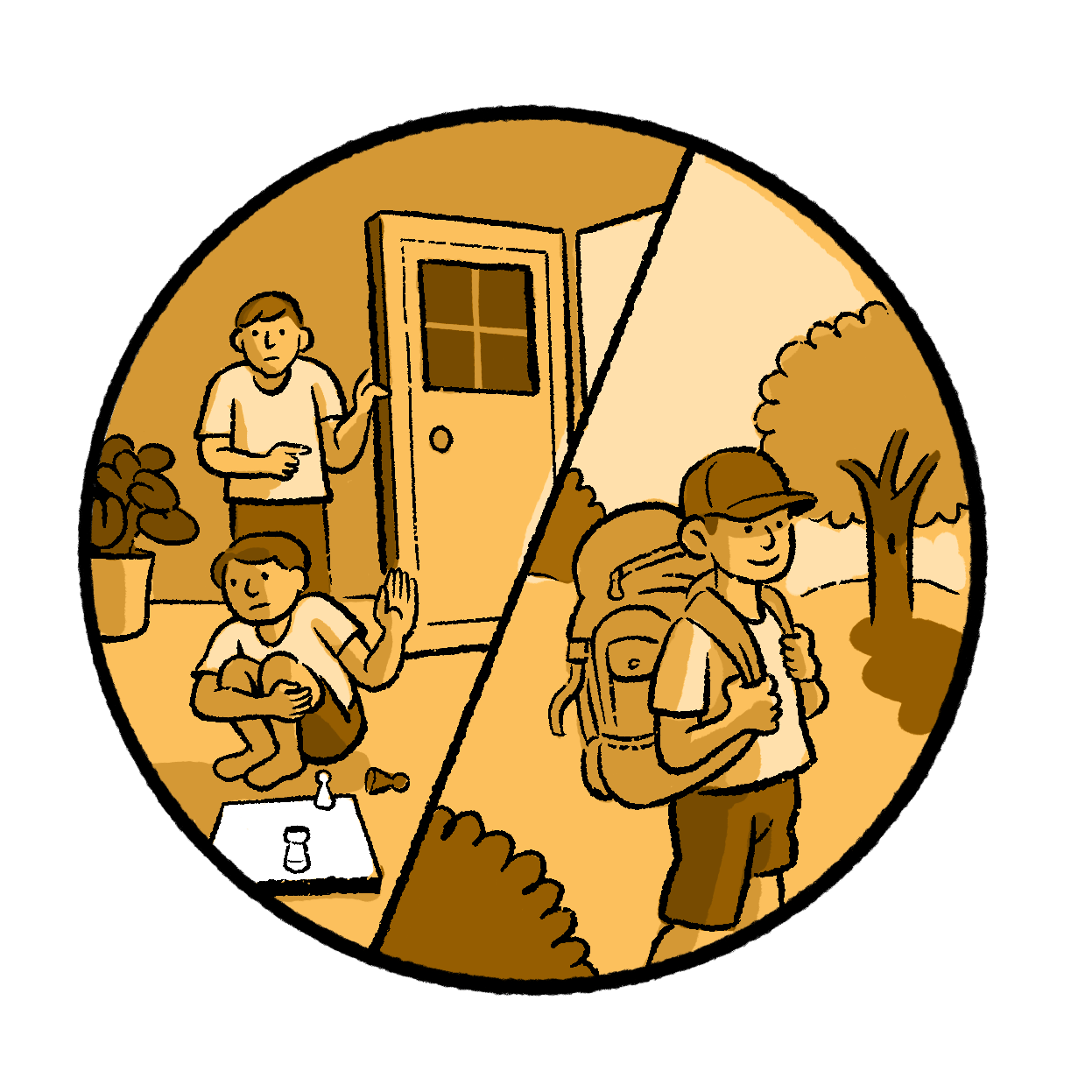
Case Scenario
The parents of an 11-year-old boy, “William,” report that he has become unusually clingy during the past several months. He wants to remain in the same room as his parents and frequently follows them around the house. They wonder whether his behavior may reflect posttraumatic stress related to local storms and tornadoes.
William’s parents first became concerned after he missed two consecutive campouts with his scout troop. He previously camped every month and enjoyed sleeping in his own tent, regardless of whether his parents attended.
During the first missed campout, William vomited after lights out, and his father took him home. The following month, William said he did not feel well while traveling to the campout, so the family returned home. Since then, William has said that he no longer enjoys camping.
William has also stopped visiting his grandparents during his parents’ monthly bingo night. During recent storms, he has entered his parents’ bedroom during the night.
Four months earlier, tornado sirens sounded twice in the family’s neighborhood. Both times, the family sheltered and slept together in the basement. After the first storm, they learned that two homes in a nearby town had been destroyed. Large trees were uprooted in their neighborhood and fell onto houses. The second storm caused additional neighborhood damage but no injuries.
William’s parents initially did not recognize that the storms had affected him. In retrospect, they remembered that he asked many questions and spent considerable time viewing tornado damage through news and online sources.
Treatment
William’s parents were introduced to TF-CBT and agreed that the approach could be helpful. After the third session, William asked to visit his grandparents during his parents’ bingo night.
His parents were surprised that he improved after sessions consisting primarily of assessment, psychoeducation, and parenting support. The therapist explained that children often benefit from learning that their thoughts and feelings are understandable reactions to frightening events.
The therapist also provided developmentally appropriate information about tornadoes, storms, and the relatively low risk of harm when safety protocols are followed. William and his family continued through the PRACTICE components, and he eventually asked to attend scout campouts again.
Outcome
William’s parents reported increased confidence in supporting him during frightening situations. The entire family benefited from learning emotional regulation and cognitive coping skills. William later shared his experience at a scouting event while earning a merit badge. His parents observed that telling his story further strengthened his sense of safety.
Training
Professionals interested in learning more about the core components of TF-CBT should begin with web-based training and review the requirements for formal certification.
- TF-CBT Web 2.0 Training , Medical University of South Carolina.
- Childhood Traumatic Grief Web Training
- TF-CBT Consultation Call Series and Certification Information
When TF-CBT is used to treat childhood traumatic grief, components may include grief psychoeducation, processing and coping with grief and ambivalent feelings, preserving positive memories, and redefining the relationship with the person who died.
Additional Information
Clinical Resource
Books and Journal Articles
- Catani, C., Kohiladevy, M., Ruf, M., Schauer, E., Elbert, T., and Neuner, F. (2009). “Treating Children Traumatized by War and Tsunami: A Comparison Between Exposure Therapy and Meditation-Relaxation in North-East Sri Lanka.” BMC Psychiatry, 9, 22. doi:10.1186/1471-244X-9-22.
- Cohen, J. A., Mannarino, A. P., and Deblinger, E. (2017). Treating Trauma and Traumatic Grief in Children and Adolescents, Second Edition. Guilford Press.
- Jaycox, L. H., et al. (2010). “Children’s Mental Health Care Following Hurricane Katrina: A Field Trial of Trauma-Focused Psychotherapies.” Journal of Traumatic Stress, 23(2), 223–231.
- Orengo-Aguayo, R., Dueweke, A. R., Nicasio, A., et al. (2022). “Trauma-Focused Cognitive Behavioral Therapy with Puerto Rican Youth in a Post-Disaster Context: Tailoring, Implementation, and Program Evaluation Outcomes.” Child Abuse & Neglect, 129, 105671. doi:10.1016/j.chiabu.2022.105671.
- Pityaratstian, N., Piyasil, V., Ketumarn, P., Sitdhiraksa, N., Ularntinon, S., and Pariwatcharakul, P. (2015). “Randomized Controlled Trial of Group Cognitive Behavioural Therapy for Post-Traumatic Stress Disorder in Children and Adolescents Exposed to Tsunami in Thailand.” Behavioural and Cognitive Psychotherapy, 43(5), 549–561. doi:10.1017/S1352465813001197.
- Salloum, A., and Overstreet, S. (2012). “Grief and Trauma Intervention for Children After Disaster: Exploring Coping Skills Versus Trauma Narration.” Behaviour Research and Therapy, 50, 169–179.
- Westerman, N. K., Cobham, V. E., and McDermott, B. (2017). “Trauma-Focused Cognitive Behavior Therapy: Narratives of Children and Adolescents.” Qualitative Health Research, 27(2), 226–235. doi:10.1177/1049732315627795.
4.4. Chapter Review
Chapter Review Questions
- What role does practicing positive dream imagery during the day play in Imagery Rehearsal Therapy (IRT)?
- According to IRT, what is the recommended approach for addressing children’s nightmares?
- What is one helpful strategy for improving sleep?
- What strategies are considered first-line behavioral approaches in Cognitive Behavioral Therapy for Insomnia (CBT-I)?
- What recommendations can help patients develop healthy sleep habits while recognizing that bedtime routines should be individualized?
- For which conditions and circumstances can Trauma-Focused Cognitive Behavioral Therapy (TF-CBT) be effective?
- What strategies are associated with IRT?
- What role does the trauma narrative play in TF-CBT?
- How is TF-CBT structured in terms of child, adolescent, and caregiver participation?
- What is the primary purpose of IRT?
4.5. Claim Credit & Certificate
After reading all of the chapter, you are eligible to earn:
1.0 PPN Contact Hour / CE Credit + Certificate of Participation
Claim Your Credit or Certificate
Step 1: Log into PPN CE.
Step 2: On the PPN CE course page, click the blue Register button, then the red Take Course button, followed by the red Start Course button.

Step 3: Enter your attendance code HECJAM.
Step 4: Follow the prompts to complete the quiz and evaluation until the page reads "Course Complete."
Start here: PPN CE course page
Once complete, your credit and/or certificate will be available under My Activities → Completed Activities.
Need help? View the step-by-step claiming guide for detailed instructions, screenshots, and support information.
Earn a Certificate of Completion
After completing all 4 Pediatric Behavioral Health chapters and their associated requirements, you are also eligible to receive an overall Pediatric Behavioral Health Certificate of Completion.
Check your progress toward completing all 4 chapters
Completed the full book? Claim your Certificate of Completion .
5. Mitigation
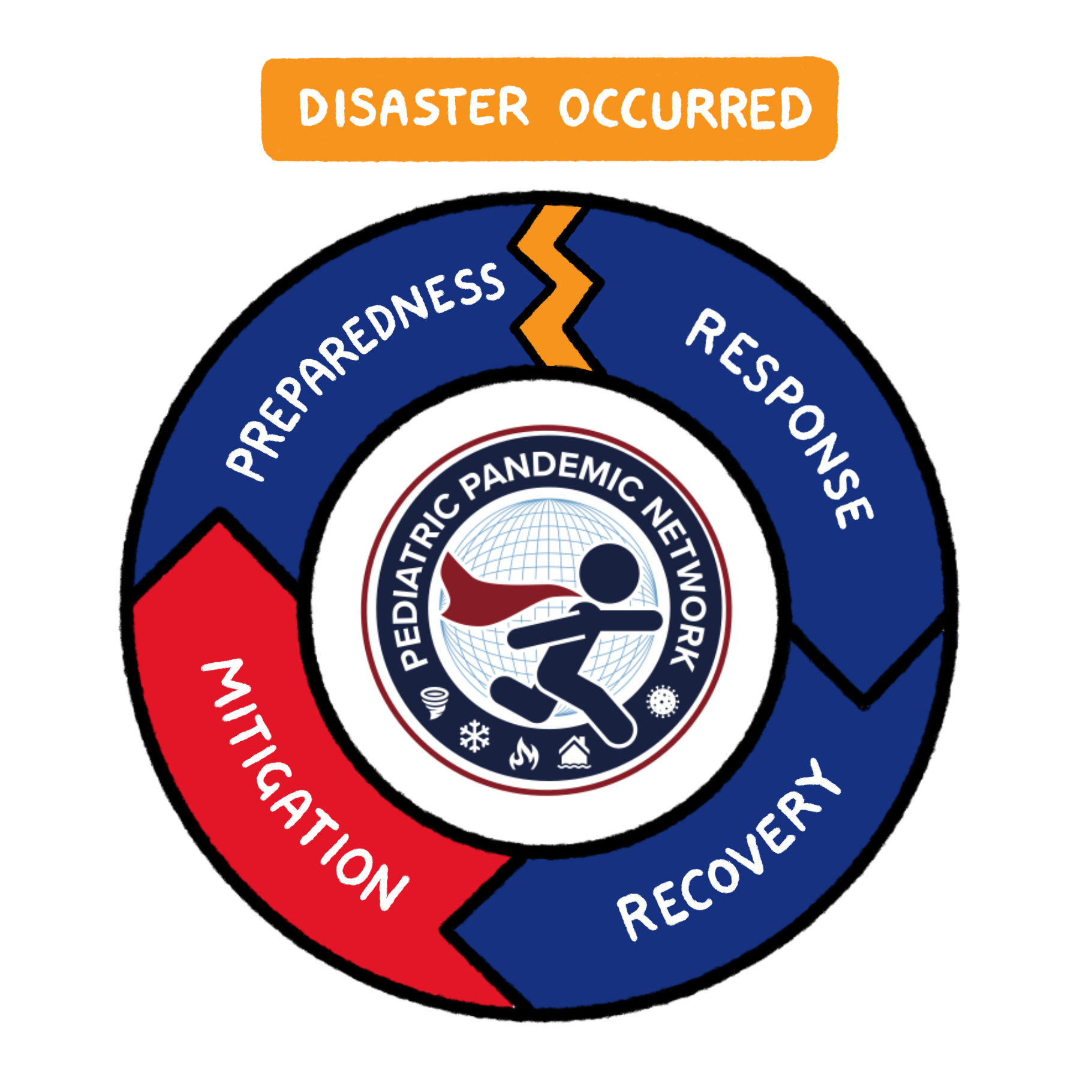
Mitigation strategies are used to reduce the causes, effects, and consequences of a disaster. Trauma-informed systems of care can mitigate trauma and support resilience by recognizing how trauma affects social, emotional, and physical functioning.
Trauma-informed approaches can improve patient engagement, treatment adherence, and health outcomes while reducing provider stress and burnout.
The American Academy of Pediatrics (AAP) provides recommendations for using a systems-based approach to prepare for the needs of infants, children, and adolescents. Review Building an Effective System of Care to Address Emerging Threats to Infants and Children to learn how systems can collaborate and identify opportunities to strengthen disaster preparedness and response.
Working with Systems
Systems in which children live, learn, receive care, and play should be trauma-informed. These systems include emergency departments, medical homes, ambulatory settings, schools, and community organizations.
A trauma-informed system acknowledges that children may currently be experiencing trauma or may have been exposed to previous traumatic events, including natural, biological, or human-caused disasters.
The Substance Abuse and Mental Health Services Administration resource SAMHSA’s Concept of Trauma and Guidance for a Trauma-Informed Approach identifies four key assumptions for establishing a trauma-informed system of care.
The Four Rs of a Trauma-Informed Approach
- Realize: Understand the widespread effects of trauma and recognize potential pathways to recovery.
- Recognize: Identify signs and symptoms of trauma in patients, families, staff, and others involved with the system.
- Respond: Integrate knowledge about trauma into organizational policies, procedures, and practices.
- Resist retraumatization: Avoid policies and practices that may unintentionally trigger or recreate aspects of previous traumatic experiences.
For more information about implementing trauma-informed systems in medical settings, review the National Child Traumatic Stress Network resource Trauma-Informed Integrated Care for Children and Families in Healthcare Settings.
Actionable Steps
The World Health Organization has recognized that physician-centered individual care and hospital-based programs alone are insufficient to achieve global health goals. A population-based approach can provide multiple levels of intervention to address the physical and mental health needs of an entire population.
Behavioral health clinicians can help mobilize and prepare the workforce to meet the psychological needs of children exposed to disasters. Areas for education and workforce development include:
- Risk and resilience factors
- Trauma reactions in children and adolescents
- Collective trauma
- Vicarious and secondary trauma
- Trauma-informed organizational policies and practices
Consider how your organization can incorporate trauma-informed education, workforce support, and behavioral health expertise into its disaster mitigation and preparedness plans.
Learning Objectives
- Identify three ways behavioral health clinicians can support a trauma-informed system of care in a medical setting.
- Recognize common warning signs associated with trauma exposure.
- Identify three behavioral health interventions that can be incorporated into a primary care office’s disaster mitigation or preparedness plan.
5.1. Trauma-Informed Systems of Care: The Role of the Behavioral Health Clinician
Kimberly Burkhart, Ph.D.
Objectives
- Identify three ways behavioral health clinicians can support a trauma-informed system of care in a medical setting.
- Identify six key principles to consider when selecting screening tools, delivering care, and assessing and measuring change.
Introduction
The Substance Abuse and Mental Health Services Administration (SAMHSA) describes trauma-informed care as a strengths-based approach grounded in an understanding of trauma and its effects. The approach emphasizes physical, psychological, and emotional safety for survivors and providers while creating opportunities for survivors to regain control and empowerment.
A trauma-informed ecosystem creates a calm, supportive, and nonjudgmental environment. Trauma-informed care therefore supports the resilience of patients, providers, and staff.
This article identifies key principles of trauma-informed systems of care and describes ways behavioral health clinicians can support medical systems.
Key Content
With appropriate services and support, individuals can recover from traumatic experiences. Without adequate support, trauma may have lasting effects, including impaired neurodevelopment, altered immune-system responses, and chronic physical or behavioral health conditions.
Within medical systems, recalling traumatic events or undergoing invasive medical procedures may lead to retraumatization. Behavioral health clinicians can help organizations implement practices that reduce this risk.
Four Touchstones for Organizational Change
Four touchstones—the Four Cs—can guide and sustain organizational change toward a trauma-informed health care approach.
Calm
Encourage staff to notice their own emotional state when interacting with patients and coworkers. People biologically co-regulate with one another, so providers should observe the emotional regulation of the caregiver, child, and caregiver-child relationship.
Strategies such as diaphragmatic breathing can help create a calm, supportive environment.
Contain
To maintain emotional and physical safety, providers should request only the level of trauma detail needed for the available timeframe and for the appropriate provision of education, resources, and referrals.
Care
Encourage self-care and compassion toward oneself and others. Support healing by shifting from “What is wrong with you?” to “What happened to you?”
Cope
Emphasize adaptive coping skills, supportive relationships and interactions, and evidence-based interventions.
A culture that supports the Four Cs protects patients from revictimization and helps mitigate vicarious trauma among providers. Vicarious trauma, compassion fatigue, and secondary traumatic stress describe negative reactions to exposure to another person’s trauma. These reactions may resemble symptoms of posttraumatic stress.
Compassion satisfaction can protect against harmful effects of trauma exposure. Reflective supervision and strong support systems can help promote compassion satisfaction among staff.
Behavioral health clinicians can also support trauma-informed medical systems by:
- Educating staff about types of trauma, trauma effects, and how trauma may present in medical settings.
- Selecting and implementing trauma-informed screening and assessment tools.
- Connecting patients with social and community resources.
- Making appropriate internal and external referrals.
- Providing reflective supervision and peer support.
- Supporting organizational evaluation and quality improvement.
Six Principles of Trauma-Informed Care
The following principles should guide the selection of screening tools, delivery of care, and assessment and maintenance of organizational change:
- Safety
- Trustworthiness and Transparency
- Peer Support
- Collaboration and Mutuality
- Empowerment, Voice, and Choice
- Cultural, Historical, and Gender Issues
Clinical environments should be physically and psychologically safe. Providers can build trust by explaining what will occur during a medical visit. Results should be communicated compassionately and at an appropriate developmental level using shared decision-making.
Trauma-informed systems also promote self-advocacy and maintain processes responsive to the racial, ethnic, cultural, historical, and gender-related needs of the population served.
Examples of Triage, Screening, and Assessment Tools
Health-Related Social Needs
- Center for Youth Wellness Adverse Childhood Experiences Questionnaire (CYW ACE-Q): A checklist of potentially traumatic events occurring before age 18. It generates a total score without identifying which specific adverse experiences occurred.
- Safe Environment for Every Kid (SEEK): A parent/caregiver checklist for families of children from birth through age 6. It assesses family risk factors associated with child maltreatment, including food insecurity, caregiver depression, parenting stress, substance use, intimate partner violence, and harsh punishment.
Suicide Risk
- Ask Suicide-Screening Questions (ASQ): Four brief questions that can be administered in approximately 20 seconds to identify suicide risk among youth ages 10–24.
- Columbia-Suicide Severity Rating Scale (C-SSRS): A tool used to assess the severity of suicidal ideation and behavior.
- Suicide Assessment Five-Step Evaluation and Triage (SAFE-T): A five-step framework that helps clinicians identify risk and protective factors, conduct a suicide inquiry, determine risk, and select an intervention.
Trauma and Posttraumatic Stress Symptoms
- Child Stress Disorders Checklist Screening Form: A brief screen for acute stress disorder or PTSD symptoms in hospitalized children ages 2–18.
- UCLA Child/Adolescent PTSD Reaction Index for DSM-5: A semi-structured assessment of trauma exposure, current distress, and functional impairment.
- Child PTSD Symptom Scale (CPSS): A measure for children and adolescents ages 8–18.
- Acute Stress Checklist for Children (ASC-Kids): A measure for children and adolescents ages 8–17.
- Adolescent Primary Care Traumatic Stress Screen (APCTSS): A five-question primary care screener for patients ages 13–22.
Professional Quality of Life
The Professional Quality of Life Measure (ProQOL) is a self-scored measure for helping professionals. It can increase awareness of work-related strengths, including compassion satisfaction and perceived support, and risks such as burnout, secondary traumatic stress, and moral distress.
The ProQOL is a widely used, psychometrically tested measure. It is not a diagnostic tool but can guide reflection among professionals who work with populations experiencing traumatic stress.
Disaster and Emergency Department Triage
- PsySTART: A tool for triaging patients based on exposure to a catastrophic event and linking them with mental health services within a disaster system of care.
- Screening Tool for Early Predictors of PTSD (STEPP): An emergency department tool for identifying patients at elevated risk of later PTSD symptoms. It includes questions for the patient and caregiver as well as risk factors obtained from the medical record.
Organizational Assessment
- Attitudes Related to Trauma-Informed Care (ARTIC) Scale: A validated measure of staff attitudes and beliefs about trauma-informed care in organizational and clinical settings.
- NCTSN Trauma-Informed Organization Assessment: An organizational assessment from the National Child Traumatic Stress Network.
- Virginia HEALS Trauma-Informed Agency Assessment: A tool for identifying organizational needs and implementing a trauma-informed framework.
Social Needs and Community Resources
Trauma-informed organizations use screening results to assess current social, emotional, and behavioral functioning. During the initial encounter, determining whether the patient is safe and comfortable takes precedence.
Providers should determine whether basic needs are being met, including access to food, running water, electricity, and safe housing. Discussions about community resources should occur in child-friendly spaces and include a clear explanation of the referral and what will happen next.
Behavioral health clinicians should collaborate with families on an action plan. Possible actions include:
- Connecting with social or patient navigators.
- Accessing community resources.
- Consulting a medical-legal partnership.
- Participating in peer support groups.
- Obtaining a referral for therapy.
Community health workers and patient navigators should follow up with patients and families to help close the loop on referrals.
Evidence-based trauma treatment resources include:
- National Child Traumatic Stress Network
- National Registry of Evidence-Based Programs and Practices
- California Evidence-Based Clearinghouse for Child Welfare
Systems Evaluation
Behavioral health clinicians can support ongoing quality-improvement initiatives related to trauma-informed care. One commonly used approach is the Deming or Shewhart Cycle, also known as the Plan-Do-Study-Act (PDSA) method.
- Plan: Identify the objective, ask questions, make predictions, and plan the change to be tested.
- Do: Carry out the plan, document problems and unexpected observations, and collect data.
- Study: Analyze the data, compare results with predictions, and summarize what was learned.
- Act: Determine what changes should be adopted, adapted, or tested during the next cycle.
For additional guidance, review the Model for Improvement.
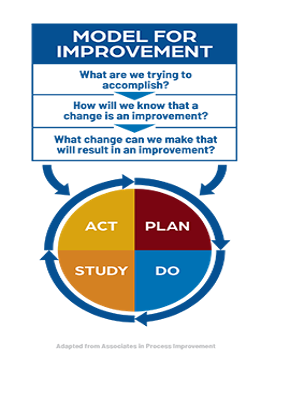
Documented benefits of trauma-informed care include improved access to services, higher-quality care, lower overall health care costs, and improved social, emotional, and behavioral functioning.
Takeaway Points
Behavioral health clinicians can support trauma-informed medical systems through staff education, reflective supervision, peer support, screening and assessment, resource navigation, evidence-based referrals, and quality improvement.
- Consider patient and caregiver behavior through the understanding that coping strategies may have developed in response to adversity and a need for self-protection.
- Calm communication, active listening, validation, and collaborative problem-solving can help de-escalate stressful situations.
Action Item
What trauma-informed quality-improvement initiative would you like to implement within your health care system?
Additional Information
Training and Webinars
Books
- Gerber, M. R. Trauma-Informed Healthcare Approaches: A Guide for Primary Care.
Journal Articles
- Trauma-Informed Care: Essential Elements for Pediatric Health Care
- Trauma-Informed Care in Child Health Systems
- Implementing a Trauma-Informed Approach in Pediatric Health Care Networks
- Pediatric Behavioral Health During the COVID-19 Pandemic: Expert Advice for Preparedness, Response, and Recovery
Handouts and Tools
5.2. Risks and Mitigation of Secondary Trauma
Patty A. Davis, LSCSW, LCSW, IMH-E® (III)
Objectives
- Describe the effects of working with populations affected by trauma.
- Recognize common warning signs of trauma-exposure responses.
- Describe at least two tools that promote workforce sustainability.
Introduction
Experiences that may seem rare to others can become routine for pediatric health care teams responding to children and families in crisis. These teams regularly care for children who are seriously ill, abused, or neglected. Some children have a poor prognosis, lack adequate support systems, or die.
Professionals working in these environments may begin to view such events as a normal part of their work. However, it is important to consider how team members process what they see and experience each day. Constant exposure to distress, combined with the need to manage one’s reactions and limited opportunities to process those experiences, can be emotionally and physically draining.
Secondary Traumatic Stress
Secondary traumatic stress is closely related to the terms vicarious trauma and compassion fatigue. It describes the emotional and behavioral effects that can arise from learning about another person’s trauma and from helping, or wanting to help, someone who has been traumatized.
Secondary traumatic stress can affect clinical staff as well as other employees who hear about events occurring in patient-care areas.
Symptoms may resemble posttraumatic stress reactions and include:
- Sudden recall of a patient’s situation
- Upsetting dreams and intrusive thoughts
- Difficulty “turning off” work-related thoughts at home
- Sleep disruption
- Hyperarousal or hypervigilance
- Avoidance or self-medication
- Numbness or detachment
- Physical or emotional exhaustion
If left unaddressed, secondary traumatic stress can negatively affect physical and emotional well-being, reduce empathy, and diminish the quality of patient care. Organizational consequences may include increased absenteeism, impaired judgment, reduced motivation and productivity, staff conflict, burnout, and turnover.
Secondary traumatic stress should be considered an occupational risk for employees working in and around health care.
People respond to traumatic stress in different ways. An experience that affects one person may not affect a colleague in the same setting in the same way. Organizations should normalize common reactions, provide sustainable support tools, and establish policies that support workforce well-being.
The first step in mitigating secondary traumatic stress is recognizing it and understanding how commonly it occurs.
Prevalence
Secondary traumatic stress is an occupational hazard for health care professionals who care for trauma survivors.
- The National Child Traumatic Stress Network reports that approximately 6%–26% of therapists working with traumatized populations and nearly 50% of child welfare workers are at elevated risk.
- A 2024 systematic review and meta-analysis by Xu and colleagues reported an average prevalence of approximately 65% among emergency nurses.
- O’Hara and colleagues found elevated secondary traumatic stress scores on the Professional Quality of Life Measure among pediatricians who care for children affected by abuse and neglect.
Common Warning Signs
- Anger or cynicism
- Hypervigilance
- A sense that one can never do enough
- Strong emotions that interfere with daily functioning
- Difficulty regulating emotions
- Problematic substance use or other addictive behaviors
- Dissociation
- Somatic symptoms such as headaches, muscle tension, or gastrointestinal problems
- Chronic exhaustion
- Difficulty empathizing with others’ circumstances
- Feelings of helplessness or hopelessness
Sustainability Tools
Recognizing that health care team members may experience understandable reactions to trauma exposure allows individuals to focus on personal care and advocate for organizational support.
Take Brief Breaks
Set aside short periods during the workday to disconnect from work-related tasks. Even a five-minute break can provide time to step outside, notice the weather, read a brief reflection, or focus on something other than work.
Care for the Body
Use practices such as meditation, deep breathing, and stretching. Eat regular, balanced meals; engage in physical activity; prioritize adequate sleep; and avoid or reduce alcohol and nonprescribed drug use.
Make Time to Unwind
Make time outside work for hobbies, enjoyable activities, and restorative experiences.
Connect with Others
Talk with trusted friends or coworkers about concerns and emotions. Social connection is an important protective factor.
Set Goals and Priorities
Determine what must be completed today and what can wait. Recognize that priorities and routines may change, and acknowledge accomplishments at the end of the day.
Keep a Journal
Recording goals and accomplishments can help direct attention toward progress and reduce feelings of overwhelm.
The Four Rs of Workforce Resilience
Leaders can support their teams through a resilience framework based on four actions: Recognize, Realize, Respond, and Resist Retraumatization.
1. Recognize the Effects of Work-Related Stress
Stress varies among individuals. Each team member has a unique background that affects how they respond.
- Stress may follow a single event or accumulate over time.
- It may arise from a personal experience or from learning about stressful events affecting others.
- Secondary traumatic stress should be treated as a potential risk for all health care team members.
- Warning signs may include nightmares, insomnia, persistent worry, nervousness, irritability, medically unexplained symptoms, or flashbacks.
2. Realize That Work-Related Stress Occurs
A team member’s response to stress is not evidence of managerial failure, individual weakness, blame, or wrongdoing. It may reflect an occupational hazard of the work.
- Repeated stressful workplace events without adequate buffers may contribute to burnout.
- Burnout may involve exhaustion, feelings of ineffectiveness, detachment, and increased cynicism or bitterness about work.
- Normalize stress reactions. It is acceptable not to feel okay.
- Following a crisis, prioritize team recovery and stress management before conducting a critical evaluation of the event.
- For many people, stress reactions diminish within several weeks. Those with persistent or worsening symptoms may benefit from professional support.
3. Respond with Support
When concerned about a team member’s safety, communicate the concern directly and follow organizational safety protocols. Ask clearly whether the person is having thoughts of harming themselves or someone else, and connect them with immediate support when indicated.
- Maintain a calm, predictable environment.
- Communicate expectations clearly.
- Address mistakes and difficulties collaboratively and supportively.
- Offer an opportunity to talk and be available to listen.
- Share relevant support resources.
- Be kind, consistent, and reassuring.
- Explore the source of distress and help address or appropriately escalate the concern.
4. Resist Retraumatization
Retraumatization occurs when a person reexperiences aspects of a previous stressor in a setting expected to be safe. It may be unintentionally triggered by an environment, attitude, expression, or interaction that recreates a loss of power, control, or safety.
Indifference to another person’s experience can contribute to retraumatization, even when harm is not intended. Acknowledge the person’s reactions and needs.
Use Supportive Language
- Instead of saying, “It could be much worse” or “You will get over it,” say, “It makes sense that this is upsetting.”
- Instead of saying, “You need to pull yourself together” or “You need to be strong for the team,” say, “You are an important part of our team.”
- Instead of dismissing the need for additional help, say, “It is normal to need time to recover and renew a sense of safety.”
Recognize Contributions and Successes
- Invite team members to reflect on rewarding moments at work.
- Discuss what they value or enjoy about their work.
- Acknowledge each team member’s contributions and accomplishments.
- Share positive feedback received from colleagues and families.
Takeaway Points
- Secondary traumatic stress is an occupational risk in health care, particularly for professionals working with children and families affected by trauma.
- Stress may follow a single event or accumulate over time.
- Secondary traumatic stress may affect a person’s sense of safety and overwhelm their ability to cope at work.
- Recognizing and destigmatizing secondary traumatic stress is an important first step toward recovery.
- Online education, books, self-assessment measures, and organizational guidelines can help individuals and organizations mitigate its effects.
Action Items
- At the beginning and end of each workday, identify one thing for which you are grateful.
- Identify one change that could improve your workday. Consider partnering with a colleague to support one another in making the change.
- Share secondary traumatic stress resources with your organization, clinic, or colleagues.
Additional Information
Books
- Bloom, S. L. (2013). “The Sanctuary Model: Changing Habits and Transforming the Organizational Operating System.” In J. D. Ford and C. A. Courtois, eds., Treating Complex Traumatic Stress Disorders in Childhood and Adolescence. Guilford Press.
- van Dernoot Lipsky, L. (2009). Trauma Stewardship: An Everyday Guide to Caring for Self While Caring for Others.
- Mathieu, F. (2007). Running on Empty: Compassion Fatigue in Health Professionals. Rehab & Community Care Medicine.
Resources and Tools
- Trauma Stewardship Institute —education and practical tools for sustaining professionals who serve others.
- Tiny Survival Guide —a brief guide to strengthening personal protective and restorative practices.
- Professional Quality of Life Measure (ProQOL) —a self-scored measure that explores compassion satisfaction, perceived support, burnout, secondary traumatic stress, and moral distress. It is not a diagnostic tool.
- Secondary Traumatic Stress: A Fact Sheet for Child-Serving Professionals
- Guided Self-Compassion Practices and Exercises , Dr. Kristin Neff.
Additional Sources
- Bride, B. E. (2007). “Prevalence of Secondary Traumatic Stress Among Social Workers.” Social Work, 52(1), 63–70. doi:10.1093/sw/52.1.63.
- Supporting Mental Health During the COVID-19 Pandemic , National Institute of Mental Health.
- O’Hara, M. A., McCann, T. A., Fan, W., Lane, M. M., Kernie, S. G., and Rosenthal, S. L. (2020). “Child Abuse Taking Its Toll on the Emotional Well-Being of Pediatricians.” Clinical Pediatrics, 59(4–5), 450–457. doi:10.1177/0009922820905865.
- Walton, M., Murray, E., and Christian, M. (2020). “Mental Health Care for Medical Staff and Affiliated Health Care Workers During the COVID-19 Pandemic.” European Heart Journal: Acute Cardiovascular Care, 9(3), 241–247.
- Xu, Z., Zhao, B., Zhang, Z., Wang, X., Jiang, Y., Zhang, M., and Li, P. (2024). “Prevalence and Associated Factors of Secondary Traumatic Stress in Emergency Nurses: A Systematic Review and Meta-Analysis.” European Journal of Psychotraumatology, 15(1), 2321761. doi:10.1080/20008066.2024.2321761.
5.3. Catastrophic Events: Behavioral Health Considerations in the Medical Home
Eva Johnson, M.D.
Objectives
- Identify three behavioral health interventions that can be incorporated into a primary care office’s disaster mitigation or preparedness plan.
- Identify three opportunities for behavioral health clinicians and primary care providers to partner in supporting the disaster-related mental health needs of patients and staff.
Introduction
As the United States is increasingly affected by large-scale disasters and catastrophic events, behavioral health clinicians and pediatric primary care providers have opportunities to optimize patient care throughout the disaster cycle.
Children are particularly vulnerable during disasters, making it essential for disaster plans to address their specific needs. Although pediatric primary care offices may have plans for maintaining clinical operations, many plans do not adequately address patients’ mental health needs.
This article describes how behavioral health clinicians and primary care providers can collaborate throughout the disaster cycle to mitigate the psychological effects of disasters on children.
Building a Primary Care and Behavioral Health Partnership
Combining the expertise of primary care providers and behavioral health specialists can improve the integration of behavioral health interventions into disaster planning and response.
Begin by using existing collaborative-care relationships or connections established through shared patients. If no relationship exists, contact a local health system, health department, or disaster-response agency that can help facilitate connections.
Local partnerships can strengthen disaster response while also improving communication and collaboration for shared patients during routine operations.
Mitigation: Minimizing the Impact of Disasters
The mental health effects of a disaster may be reduced when children and caregivers begin with a strong mental health foundation. Routine screening supports earlier identification of common mental health conditions, including anxiety and depression, and allows families to connect with evidence-based interventions.
Patients already engaged with mental health services may be better prepared to manage disaster-related stressors. Screening for adverse childhood experiences and health-related social needs can also identify factors that affect resilience and connect families with community resources before a disaster occurs.
Mental Health Screening
- Postpartum depression: Edinburgh Postnatal Depression Scale.
- Adolescent depression: Patient Health Questionnaire modified for Adolescents (PHQ-A).
- Anxiety: Generalized Anxiety Disorder-7 (GAD-7).
Trauma and Health-Related Social Needs Screening
- Adverse childhood experiences: Pediatric ACEs and Related Life Events Screener (PEARLS).
- Psychosocial needs: Safe Environment for Every Kid (SEEK).
- Health-related social needs: Accountable Health Communities Health-Related Social Needs Screening Tool.
Behavioral health clinicians can also educate primary care providers about strategies that promote resilience, including:
- Positive parenting practices that strengthen secure attachment, confidence, and caring relationships.
- Stress-management skills that support emotional regulation.
- Strategies that promote family, peer, and community connection.
Preparedness: Planning and Training
Every primary care office should maintain a disaster-preparedness plan. Plans commonly address vaccine storage, tiered operations, communication with patients and staff, and office and household emergency kits. Behavioral health preparations, however, may be absent.
The Pediatric Preparedness Checklist can help practices review their operational planning.
Patient Preparedness
- Anticipate increased stress reactions, including anxiety, after a disaster.
- Plan for additional office support or scheduling adjustments to accommodate increased patient needs.
- Establish procedures for screening and triaging patients experiencing psychological trauma.
- Prepare to address common mental health responses such as stress and anxiety.
Staff Preparedness
- Prepare for staff stress related to personal disaster exposure and the demands of supporting affected patients.
- Clearly define each staff member’s disaster role and practice those roles during drills.
- Establish mechanisms for assessing staff stress and providing additional support when significant reactions occur.
Educational Materials and Referral Resources
Collaborate with the local health department or emergency services agency to obtain or develop materials addressing:
- Common mental health reactions to disasters
- Strategies for reducing distress
- Local mental health and crisis resources
When local resources are unavailable, practices may adapt the SAMHSA resource Helping Your Child Recover from the Emotional Aftermath of a Disaster.
Do not assume that distress immediately following a disaster represents a psychiatric disorder. Stress reactions are common, and most children will recover with appropriate support.
Response: Immediate Actions During a Disaster
Disasters are disruptive, and stress reactions are common and expected. Most children will not develop a long-term disaster-related psychiatric disorder, but all can benefit from psychoeducation, reassurance, and support in processing the event.
Create a Safe Clinical Environment
- Keep a parent or guardian with the child during the visit when possible. Offer caregivers guidance on supporting positive coping.
- Limit exposure to images, videos, or sounds that may remind the child of the disaster.
- Minimize painful procedures when possible. Explain required interventions in developmentally appropriate language and connect them to safety and recovery.
For example: “To help your body stay strong and healthy after the cut on your foot, we are giving you a tetanus shot.”
Implement Behavioral Health Components of the Disaster Plan
- Provide patients, families, and staff with materials describing common reactions, coping strategies, and local resources.
- Screen and triage patients for psychological trauma.
- Assess staff stress and provide additional support to staff experiencing significant reactions.
- Ensure staff can address their own safety and psychological needs while caring for disaster-affected patients.
Provide Early Psychological Support
Educate primary care providers about evidence-based interventions that can be used immediately after a disaster. When possible, behavioral health clinicians can provide these services in the primary care office or community.
Psychological First Aid (PFA) is commonly used to reduce immediate distress and promote adaptive coping.
National Support Resources
- Disaster Distress Helpline: Call or text 1-800-985-5990 for multilingual, 24/7 disaster crisis counseling for people in the United States and its territories.
- American Red Cross Disaster Mental Health Services: Provides mental health support to people affected by disasters and emergencies.
Consultation and Referral
- Help primary care providers differentiate expected stress reactions from persistent or maladaptive responses.
- Refer children whose symptoms persist after the disaster threat has ended for additional behavioral health care.
- Offer consultation to help primary care providers assess and manage patients with mild symptoms.
- Reserve appointment availability for patients with reactions that cannot be managed within primary care.
Recovery: Returning to Baseline or a New Normal
Most children recover from a disaster without lasting psychological impairment. A smaller group will experience longer-term effects. Posttraumatic stress symptoms and posttraumatic stress disorder are among the most common mental health consequences.
Other possible effects include anxiety, depression, grief, bereavement, substance use, behavioral problems, and academic difficulties.
Understand the Expected Recovery Trajectory
It is common for children to experience stress reactions during the first several weeks after a disaster, followed by gradual improvement over subsequent months. Children with significant functional impairment or persistent symptoms should be referred for specialty mental health care.
Identify Children at Elevated Risk
Children at greater risk may benefit from closer primary care monitoring or referral to a behavioral health specialist. Relevant factors include:
- Pre-existing factors: Previous mental health diagnoses or traumatic experiences.
- Nature of the disaster: Injury, extent of exposure, and the child’s perception of events.
- Subsequent factors: Caregiver difficulty coping, poor family communication, limited social support, or loss of property.
Recognize and Screen for PTSD
Train primary care providers to recognize posttraumatic stress symptoms in pediatric patients and use appropriate child and adolescent trauma assessment tools.
Children and adolescents may conceal or minimize symptoms, so providers may need to ask proactively about trauma reactions. Patients may also experience renewed psychological reactions around disaster anniversaries or during events that resemble the original disaster, such as heavy rain following a flood.
Takeaway Points
Primary care providers and behavioral health specialists can collaborate before a disaster to promote resilience, identify mental health concerns, and connect families with treatment and resources.
- Including behavioral health interventions in primary care disaster plans helps ensure that both physical and psychological needs are addressed.
- Preparedness may include educational handouts, screening and triage protocols, staff-support plans, and pathways to evidence-based interventions.
- Although most children will not develop long-term mental health conditions, children with elevated risk or persistent symptoms may need closer monitoring or referral.
Action Item
What behavioral health disaster-mitigation or preparedness intervention could primary care providers and mental health specialists jointly implement in your health system?
Resources and References
Family and Staff Resources
- Ginsburg, K. R. (2020). Building Resilience in Children and Teens. American Academy of Pediatrics.
- Prepare with Pedro: Resilience and Coping Skills Activity Book —available in multiple languages.
- Tips for Survivors of a Disaster or Other Traumatic Event: Managing Stress , SAMHSA.
- Tips for Health Care Professionals: Coping with Stress and Compassion Fatigue , SAMHSA.
References
- Bonanno, G. A., Brewin, C. R., Kaniasty, K., and La Greca, A. M. (2010). “Weighing the Costs of Disaster: Consequences, Risks, and Resilience in Individuals, Families, and Communities.” Psychological Science in the Public Interest, 11(1), 1–49. doi:10.1177/1529100610387086.
- Meredith, L. S., Eisenman, D. P., Tanielian, T., Taylor, S. L., Basurto-Davila, R., Zazzali, J., Diamond, D., Cienfuegos, B., and Shields, S. (2011). “Prioritizing Psychological Consequences for Disaster Preparedness and Response.” Disaster Medicine and Public Health Preparedness, 5(1), 73–80. doi:10.1001/dmp.2010.47.
- Pfefferbaum, B., Noffsinger, M. A., Wind, L. H., and Allen, J. R. (2014). “Children’s Coping in the Context of Disasters and Terrorism.” Journal of Loss and Trauma, 19(1), 78–97. doi:10.1080/15325024.2013.791797.
- Schonfeld, D. J., and Demaria, T. (2015). “Providing Psychosocial Support to Children and Families in the Aftermath of Disasters and Crises.” Pediatrics, 136(4), e1120–e1130. doi:10.1542/peds.2015-2861.
5.4. Chapter Review
Chapter Review Questions
- How can behavioral health clinicians help pediatric primary care providers mitigate the mental health effects of disasters?
- What are the six principles of trauma-informed care?
- Why is it important for primary care offices to include behavioral health interventions in their disaster plans?
- How is trauma defined within a trauma-informed care framework?
- How can behavioral health clinicians help reduce the risk and effects of secondary traumatic stress?
- What behavioral health components should be included in a primary care office’s disaster mitigation and preparedness plan?
- Which anxiety screening tool is discussed for use with children and adolescents?
- How can behavioral health clinicians support a trauma-informed system of care in a medical setting?
- What are common symptoms of secondary traumatic stress?
- What workplace consequences may result when secondary traumatic stress is left unaddressed?
5.5. Claim Credit & Certificate
After reading all of the chapter, you are eligible to earn:
1.0 PPN Contact Hour / CE Credit + Certificate of Participation
Claim Your Credit or Certificate
Step 1: Log into PPN CE.
Step 2: On the PPN CE course page, click the blue Register button, then the red Take Course button, followed by the red Start Course button.

Step 3: Enter your attendance code SUDBAZ.
Step 4: Follow the prompts to complete the quiz and evaluation until the page reads "Course Complete."
Start here: PPN CE course page
Once complete, your credit and/or certificate will be available under My Activities → Completed Activities.
Need help? View the step-by-step claiming guide for detailed instructions, screenshots, and support information.
Earn a Certificate of Completion
After completing all 4 Pediatric Behavioral Health chapters and their associated requirements, you are also eligible to receive an overall Pediatric Behavioral Health Certificate of Completion.
Check your progress toward completing all 4 chapters
Completed the full book? Claim your Certificate of Completion .