12. Appendices
12.21. Appendix U: Mental Health Post-Disaster Resources for Children
This section provides post-incident resources for families, including mental health support and other services, to assist with recovery and ongoing needs following reunification operations.
Helping Kids Navigate After a Tragedy
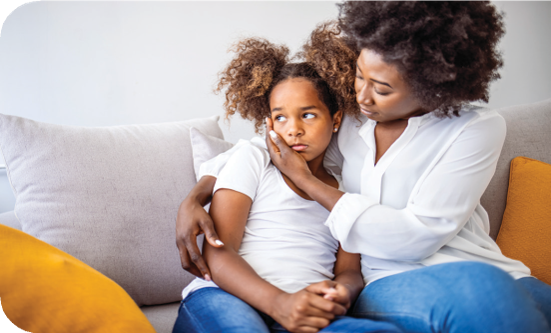
You know your child best. Most children and teens find it helpful if you:
- Listen to them.
- Answer questions briefly and honestly.
- Let them know they are safe, and you are there for them.
You can say things like...
- Have any of your friends talked about what happened? What did you hear?
- What questions do you have about what you’ve heard or seen?
- Do you want to write or draw about how you feel?
Remember to take care of yourself, too.
It’s ok to step away and process your own reactions, by yourself or with a trusted friend or counselor. By creating space for yourself, you will be better able to help your kids express their feelings without mixing them up with your own.
What do I do next?
- Limit exposure to disturbing media. Pictures and videos of the event can be scary. Consider monitoring electronics use closely after these events to prevent accidental exposure.
- Promote your child’s resilience. The more a child can feel safe and tell their story, the less anxious they may be when reminded of the trauma.
- Read, watch and listen to stories together. Stories can help kids process traumatic or scary events in an accessible way.
- Reassure – but not too much. Too much reassurance can send the message that they should be worried when they are not.
If you or your child have thoughts of hurting yourself or someone else, call, text or chat the Suicide & Crisis Lifeline at 988 or visit the Emergency Room.
What to Watch for:
Common Symptoms of PTSD
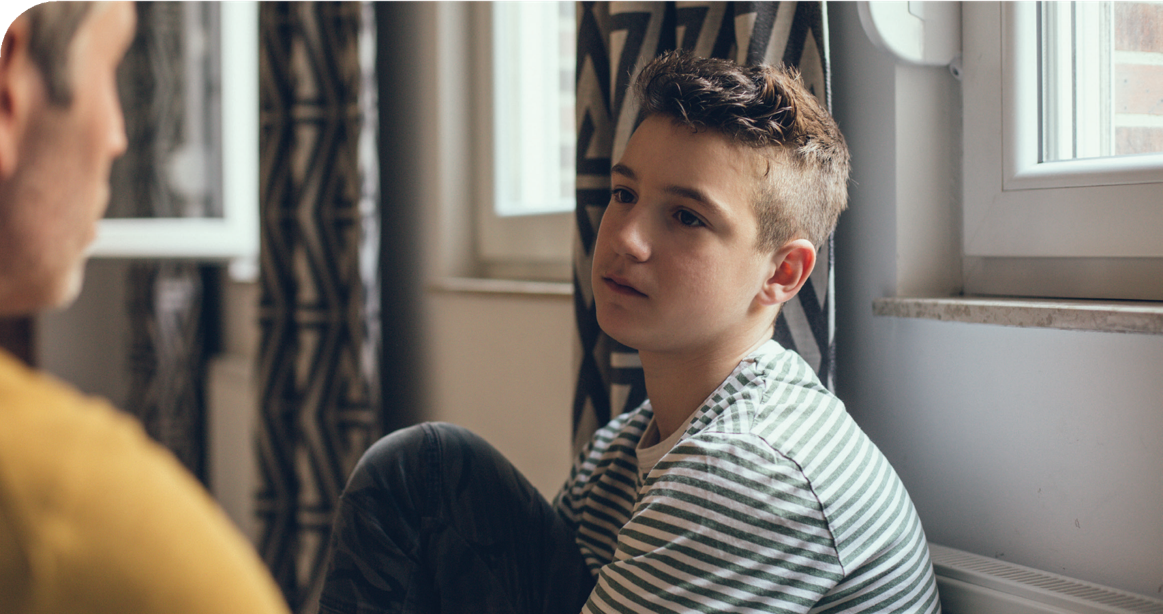
When a child’s reactions to trauma persist after a few weeks, they may develop post-traumatic stress disorder (PTSD). Consider talking to a health care professional if your child’s reactions continue for more than 2 to 4 weeks after the event, worsen over time, or affect their usual routines.
- Avoiding people, places or things that bring back memories.
- Panic symptoms (heart palpitations, rapid breathing) when not in danger.
- Withdrawal from family or peers.
- Changes in appearance, not taking care of personal hygiene.
- Feeling shame or blame – “if only” thoughts.
- Feeling sad.
- Increased anger responses.
- Nightmares.
- Memories of the scary event even when they are trying not to think about it.
- Safety concerns – thoughts or threats of self-harm or suicide.
- Trouble with memory – not remembering directions from one homework page to the next. May not remember parts of the trauma.
- Teens may exhibit risk-taking behaviors – using drugs or alcohol, breaking curfew.
- Any other symptoms that interfere with daily activities.
A downloadable version of this appendix is available here.