Text size
Line height
Text spacing
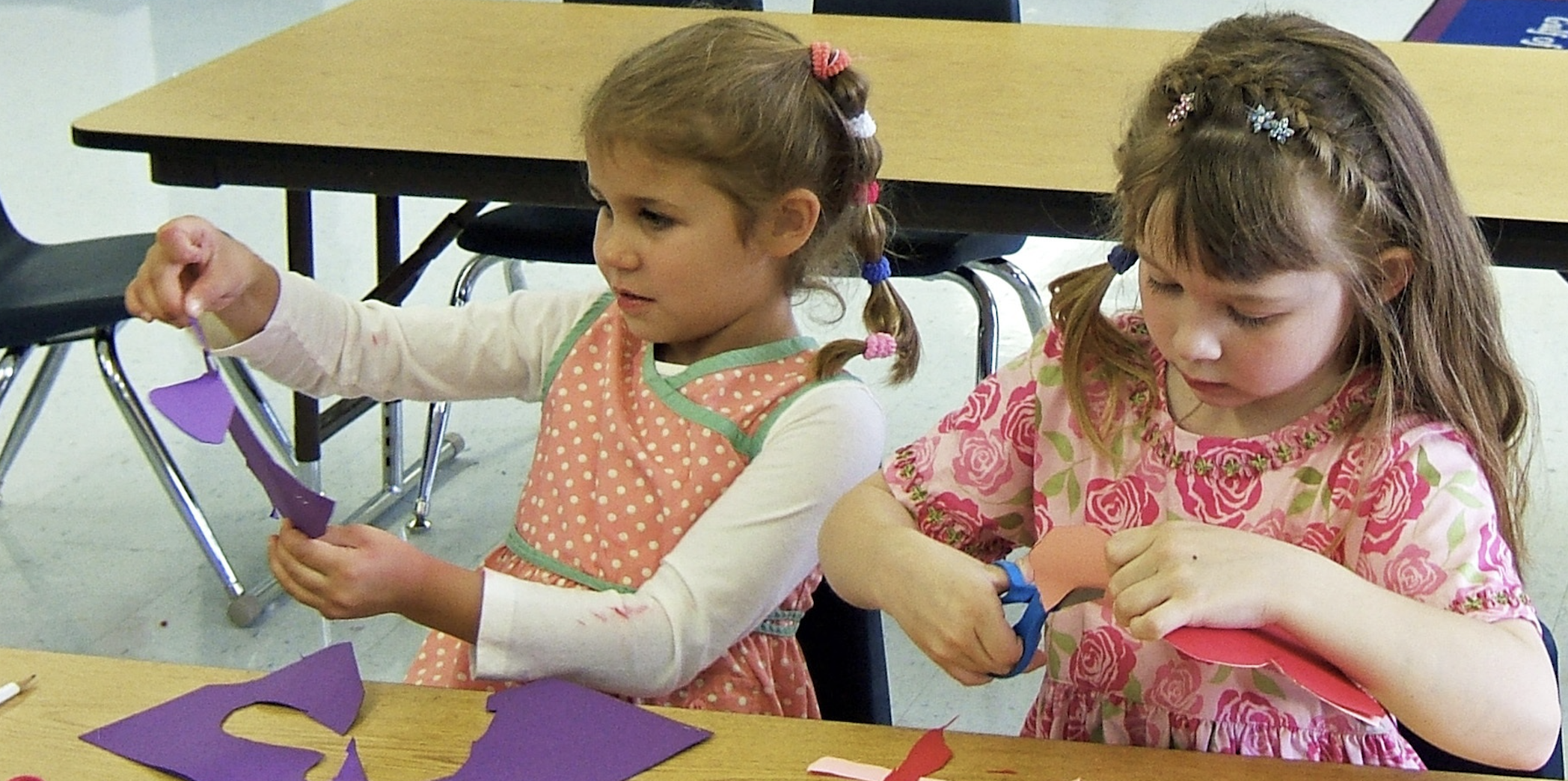
Community reunification planning should include education about child-specific considerations and how they affect reunification operations. All participating organizations should understand children’s unique needs during emergencies and the role each partner plays in supporting them.
Open, respectful conversations led by trusted child-focused professionals can uncover challenges that may not be apparent in written plans. Planning discussions should address practical factors such as:
Addressing these factors supports collaborative planning that can adapt to the changing needs of children and families.
Child-focused preparedness can be strengthened through existing education and outreach programs. Communication methods and materials should be accessible to all families, including people with limited English proficiency and individuals with access and functional needs identified through community assessments.
Potential outreach partners include:
Coordinated outreach is essential to educate the public and emergency responders about child reunification procedures. Engaging organizational leaders and public information or communication officers before an emergency helps ensure that messages are accurate, consistent, accessible, and trusted.
Community drills and exercises should include child-focused considerations. Scenario-based training allows partners to validate responsibilities, test coordination, and identify operational gaps involving:
After-action reviews should specifically evaluate these child-focused issues. Assign corrective actions, responsible parties, and completion timelines, and incorporate improvements into the reunification plan.
