Text size
Line height
Text spacing
HAZMAT incidents require personal protective equipment (PPE). The US Environmental Protection Agency (EPA) has designated 4 levels of protection for PPE (Table 1 and Figure 1). Level A is the highest and provides respiratory, skin and vapor protection. This level requires the healthcare worker to wear a self-contained breathing apparatus (SCBA) underneath the suit. Level B provides the highest level of respiratory protection but less skin protection and no vapor protection. The next lower respiratory protection after SCBA would consist of using a powered air purifying respirator (PAPR) followed by a using a face mask with a HEPA filter. Level C equipment has the same level of skin protection as Level B, but has ower respiratory protection. Level D is equivalent to a regular healthcare worker uniform, which is inappropriate in a hazardous material incident. PPE is often bulky and cumbersome making it difficult not only to handle patients but also to perform already challenging procedures such as venipuncture on children. Level A suits with SCBA can only protect ventilation for approximately 20 minutes because of the amount of air in each suit’s oxygen tank, and are used in the hot zone only. A Hospital or healthcare centers PPE use is usually adequate with Level C protection to handle patients arriving from the scene needing decontamination.
A rescue worker who has not had adequate training with PPE should not use it in a disaster scenario.
| Level | Degree of Protection |
|---|---|
| A | Airway, included vapor, skin |
| B | Airway, skin (less) |
| C | Airway (less); skin (same as B) |
| D | No special protection |
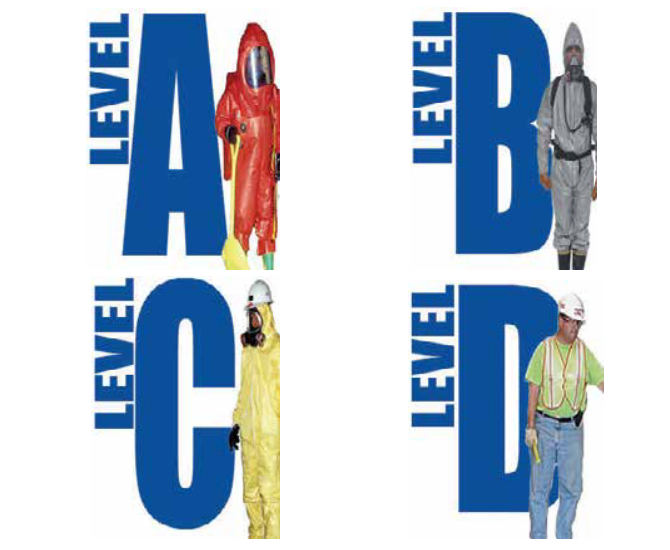
FIGURE 1. Levels of personal protective equipment
Wearing PPE requires special training. A rescue worker who has not had adequate training with PPE should not use it in a disaster scenario. The level of PPE required in each zone will be decided by the incident commander and medical coordinator. Responders using PPE are at risk for heat related illness, dehydration, and dermatitis.
In the case of radiation disasters, first responders should cautiously approach the scene, preferably from uphill and upwind from the site. A full face mask with a high efficiency particulate air (HEPA) filter should ideally be worn. If this is not available, personnel can breathe through a wet cloth or handkerchief. Rescue personnel should wear splash-proof clothing. Gloves and socks should be tucked under their clothes. All seams (neck, arm cuffs, etc.) should be securely taped. A second pair of gloves should be worn over the first. These gloves can be easily removed and replaced. Water-proof shoe covers are worn over shoes. If available, workers should wear clip-on radiation dosimeters on the outside of their clothing where they can be easily read. Cover all radiation measurement devices with plastic bags before entering a contaminated zone. The collection of radioactive dust following a radiation disaster must be recognized as a significant contamination hazard. Rescuers should not smoke, eat, or drink at the site. Provide water only in closed containers.
The collection of radioactive dust following a radiation disaster must be recognized as a significant contamination hazard.
After any toxic/radioactive exposure, first responders should clean all nondisposable gear with a 5% hypochlorite solution (1 part household bleach to 9 parts water). Remove protective clothing, bag it, and discard it in a waste container labeled as “toxic waste”. All personnel should then wash themselves with copious amounts of soap and water.
In areas that pose no risk of secondary contamination, follow universal contact precautions (gloves and face mask).
