Toxic Exposures
| Site: | Pediatric Pandemic Network Learn |
| Course: | Toxic Exposures |
| Book: | Toxic Exposures |
| Printed by: | Guest user |
| Date: | Saturday, September 12, 2026, 6:35 PM |
Table of contents
- 1. Overview
- 2. Introduction
- 3. Vulnerability of Children
- 4. Response in Toxicoligcal Disaster Situations
- 5. Personal Protective Equipment
- 6. General Approach to the Toxicological Patient
- 7. Natural Disasters
- 8. Man-Made Disasters
- 9. Chemical Exposures
- 10. Summary
- 11. Suggested Reading
- 12. Case resolution
- 13. Module Review
- 14. Appendix
1. Overview
Welcome to this multimedia open access edition of this chapter book titled Toxic Exposures Book.
This content is available as a digital book in two formats:
1) Website, which you are currently reading. This format offers a mobile friendly multimedia experience with sharable links to chapters. There are three ways to move through the book:
a) Use the table of contents chapter navigation to the left to navigate to different chapters in the book. Scroll through the links to select the chapter that interests you.
b) Use the yellow arrows that appear when scrolling to select previous and next chapters.

c) Use the previous chapter and next chapter buttons at the bottom of very page to navigate through the book.

2) Printable, which you can save as a PDF and open without an Internet connection.
1.1. Acknowledgements
Created by the Center for Global Health, Colorado School of Public Health
This content is owned by the Center for Global Health, Colorado School of Public Health, and has been jointly created by the Center for Global Health, Colorado School of Public Health and the Maternal and Child Health Department of Maimonides University; both of which are WHO Collaborating Centers in Maternal and Child Health. The course materials were developed with input from the American Academy of Pediatrics (AAP), the Pan American Health Organization (PAHO), and the Association for Health Research & Development (ACINDES).
With Support from the Pediatric Pandemic Network

The Pediatric Pandemic Network is supported in part by the Health Resources and Services Administration (HRSA) of the U.S. Department of Health and Human Services (HHS) as part of cooperative agreements U1IMC43532 and U1IMC45814 with 0 percent financed with nongovernmental sources. The content presented here is that of the authors and does not necessarily represent the official views of, nor an endorsement by HRSA, HHS, or the U.S. Government. For more information, visit HRSA.gov.

Attribution-NonCommercial-NoDerivatives CC BY-NC-ND
You are free to download and share this work for noncommercial purposes, as long as you credit the Center for Global Health and the Pediatric Pandemic Network for the original creation.
2. Introduction
Book Authors
Kathy L. Lehman-Huskamp, MD | William J. Keenan, MD | Anthony J. Scalzo, MD | George Sam Wang, MD | Shan Yin, MD
Introduction
The first large-scale production of chemical and biological weapons occurred during the 20th century. World War I introduced the use of toxic gases such as chlorine, cyanide, and sulfur mustard as a means of chemical warfare. With terrorist events, such as the airplane attacks on the World Trade Center in New York City, use of nerve gases in Tokyo subway terrorist attack and the Syrian conflict, people have become increasingly fearful of potential large-scale terrorist attacks. Consequently, there has been a heightened interest in disaster preparedness especially involving chemical and biological agents. The U.S. Federal Emergency Management Agency (FEMA) recommends an “all-hazards” approach to emergency planning. This means creating a simultaneous plan for intentional terrorist events as well as for the more likely unintentional public health emergencies, such as earthquakes, floods, hazardous chemical spills, and infectious outbreaks. Most large-scale hazardous exposures are determined by the type of major industries that exist and/or the susceptibility to different types of natural disasters in a given area. For example, in 1984 one of the greatest man-made disasters of all times occurred in Bhopal, India, when a Union Carbide pesticide plant released tons of methylisocyanate gas over a populated area, killing scores of thousands and injuring well over 250,000 individuals. The 2011 earthquake and tsunami in Japan demonstrated the vulnerability of nuclear power stations to natural disasters and the need to prepare for possible widespread nuclear contamination and radiation exposure. This module provides universal guidelines for interventions during toxicological disasters.
3. Vulnerability of Children
Objectives
- Understand the increased vulnerability of children exposed to toxins.
- Analyze the causes of the increased vulnerability of children to toxins.
Differences between children and adults place children at increased risk for exposure in many toxicological disasters (Box 1). Shorter stature can make children more vulnerable than adults. Many chemical agents are more dense or heavier than air and consequently exist in higher concentrations closer to the ground. The same principle applies to nuclear contamination. A shorter person will be exposed to a higher concentration of chemicals and radiation simply by being closer to the ground.
BOX 1. Factors increasing children’s vulnerability in toxicological disasters
- Shorter stature
- Larger skin surface area to body mass ratio
- Skin with less keratinization
- Higher minute ventilation
- Decreased fluid reserve
- Immature motor skills and cognitive functioning
Children also have a larger skin surface area to body mass ratio than adults. This increases their risk of absorption of toxins through the skin. A larger skin area to body mass ratio together with less subcutaneous fat places a child at higher risk for hypothermia with decontamination. A child’s skin has less keratinization, allowing corrosives to cause greater injury. Children also have higher minute ventilation per body mass. Therefore, pediatric exposures to aerosolized or gaseous toxins will be more extensive than with adults.
Differences between children and adults place children at increased risk for exposure in many toxicological disasters.
Children also have a decreased fluid reserve compared with adults, and are at increased risk for dehydration with repetitive vomiting or diarrhea associated with toxic exposures or food-born illness. In addition, immature motor skills and cognitive functioning may make it less likely that the children will remove themselves from a dangerous situation.
4. Response in Toxicoligcal Disaster Situations
OBJECTIVES
- Identify the basic goals of toxicological disaster preparedness.
- Delineate the priorities of disaster scene staging and patient management in the event of an incident involving hazardous materials.
- Define a hazardous material.
- List the factors to be considered in the planning of and response to a toxicological disaster.
Toxicological Disaster Preparedness
As in any type of disaster, in events involving a hazardous material, prior preparedness is critical to minimize the effects on victims, rescuers, and other emergency personnel. In addition, it is essential to take the measures needed to avoid toxic contamination in non-exposed sectors of the community.
Bear in mind that various toxins can be involved in disasters and their effects vary. Rapid
identification is critical to take appropriate measures in a timely manner.
The first goal in the management of any type of disaster is to enhance safety of the medical and rescue personnel while saving the greatest number of lives possible.
Although community education regarding disasters l is always an important issue of prior preparedness, in toxicological disasters this holds even more importance. In Box 2 are listed the basic goals of toxicological disaster preparedness.
BOX 2. Goals of toxicological disaster preparedness
- Prepare for a wide range of disasters
- Know the signs and symptoms consistent with toxic syndromes or have resources readily available for rapid identification of these syndromes
- Acquire skills and practice on how to properly treat injuries associated with toxic exposures
- Prepare to respond rationally, effectively recognizing and minimizing dangers affecting rescuers personal safety
- Provide anticipatory and prospective community education regarding the appropriate levels of community concern and response to each type of toxicological disaster
4.1. Priorities in Response to a Toxic Disaster Scene
The first goal in the management of any type of disaster is to enhance the safety of the medical and rescue personnel while saving the greatest number of lives possible. To fulfill this goal, some universal principles apply to the management of any type of disaster. First, a chain of command must be established. An incident commander will need to oversee the scene and establish contact with a nearby base hospital. In hazardous materials (HAZMAT) incidents, a medical toxicologist and/or HAZMAT specialist, if available, should be designated as medical coordinator of the command post (see Module 3). Contact the regional Poison Control Center and local HAZMAT team to participate in the response. The chain of command must be strictly honored by all first responders.
The next task will be to set up appropriate zones for the management of the disaster (Box 3). The type of disaster will determine what zones are needed. The hot zone is the primary zone and essentially is the disaster site. This zone represents an area of continued danger, such as ongoing fires, falling debris, or exposure to hazardous materials. Mark off the perimeter of the hot zone with tape or rope if available. The incident commander will decide who is allowed into the hot zone. In general, no medical treatment should be given in the hot zone. If needed, set up a decontamination or warm zone just outside the perimeter of the hot zone. Also, mark off the perimeter of this zone with tape or rope. The decontamination zone represents an area of hazardous materials contamination. In this zone, patients can be stabilized and decontaminated. Ideally, this zone should be upwind, uphill, and/or upstream from the hot zone.
BOX 3. Disaster scene staging
- Hot zone
- Possible ongoing exposure
- Full protective gear
- Possible initial triage
- Decontamination zone (Scene and/or hospital)
- Contaminated clothing removed
- Flushing/washing
- Thermal protection of children
- Support/cold zone
- Examination
- Stabilization
- Triage
The next zone is the support zone or cold zone. This zone is located beyond the decontamination zone. It should contain no threat of secondary contamination to equipment, victims, or personnel. It is the area of definitive patient treatment and triage. The support/cold zone typically houses the incident command post. No one from the general public or media should be allowed into any of these zones.
No one from the general public or media should be allowed into any of these zones.
A key point in disaster scene management is the prevention of unauthorized entry and exit between zones. In large scale disasters, the capacity for policing of these zones by local authorities will likely be exceeded and the uniformed armed services or National Guard forces will be required to maintain security.
If any disaster scene is suspected to involve hazardous materials, verify the release and identify the toxin as rapidly as possible.
If any disaster scene is suspected to involve hazardous materials (HAZMAT), verify the release and identify the toxin as rapidly as possible. HAZMAT is defined as any material that can cause harm to people, property, or the environment. Release of hazardous materials can include a large number of toxins. Mobilize adequate resources of trained personnel and appropriate equipment as quickly as possible. Upon the first suspicion of a hazardous material incident, rescue workers should call for extra help, specifically a HAZMAT response team if available. A hazardous materials incident will require all 3 zones (hot, decontamination, and support/cold).
Emergency medical service (EMS) personnel should guide their planning using 6 important principles:
- The number of victims with medical problems will be potentially overwhelming
- The number of individuals (the “walking and worried well”) will likely exceed those with true injuries
- The onset of symptoms and signs may be precipitous (e.g., Bhopal or Tokyo sarin attacks)
- The onset of signs and symptoms may be delayed (e.g., phosgene gas)
- Multiple toxins may be involved in a single incident
- The victims may be EMS personnel themselves if not properly protected or if unexpected events occur (e.g., World Trade Towers terrorist event on September 2011)
5. Personal Protective Equipment
OBJECTIVES
- Describe the different types of rescue personal protective equipment.
- Recognize the different levels of protection provided by various equipments.
- Know the initial management in radiation disasters.
- Consider climatic and geographical factors in the disaster scene.
- Describe the steps to be completed after the use of protective equipments.
Levels of Protection for Personal Protective Equipment
HAZMAT incidents require personal protective equipment (PPE). The US Environmental Protection Agency (EPA) has designated 4 levels of protection for PPE (Table 1 and Figure 1). Level A is the highest and provides respiratory, skin and vapor protection. This level requires the healthcare worker to wear a self-contained breathing apparatus (SCBA) underneath the suit. Level B provides the highest level of respiratory protection but less skin protection and no vapor protection. The next lower respiratory protection after SCBA would consist of using a powered air purifying respirator (PAPR) followed by a using a face mask with a HEPA filter. Level C equipment has the same level of skin protection as Level B, but has ower respiratory protection. Level D is equivalent to a regular healthcare worker uniform, which is inappropriate in a hazardous material incident. PPE is often bulky and cumbersome making it difficult not only to handle patients but also to perform already challenging procedures such as venipuncture on children. Level A suits with SCBA can only protect ventilation for approximately 20 minutes because of the amount of air in each suit’s oxygen tank, and are used in the hot zone only. A Hospital or healthcare centers PPE use is usually adequate with Level C protection to handle patients arriving from the scene needing decontamination.
A rescue worker who has not had adequate training with PPE should not use it in a disaster scenario.
Table 1. Different Protection Levels of Rescuers Personal Protective Equipment
| Level | Degree of Protection |
|---|---|
| A | Airway, included vapor, skin |
| B | Airway, skin (less) |
| C | Airway (less); skin (same as B) |
| D | No special protection |
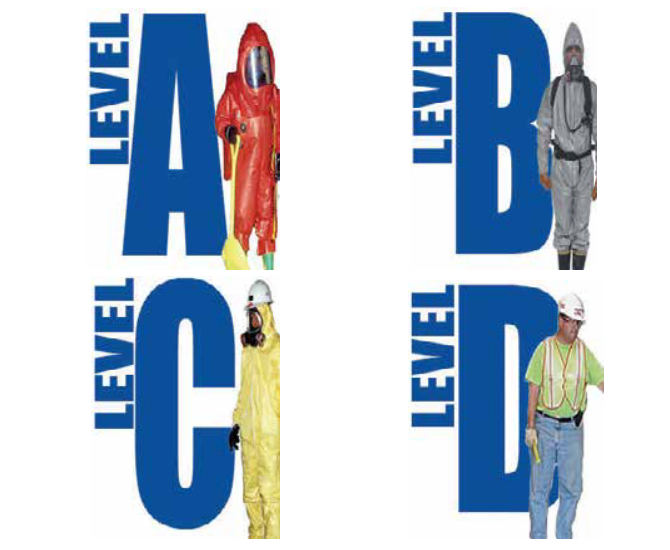
FIGURE 1. Levels of personal protective equipment
Wearing PPE requires special training. A rescue worker who has not had adequate training with PPE should not use it in a disaster scenario. The level of PPE required in each zone will be decided by the incident commander and medical coordinator. Responders using PPE are at risk for heat related illness, dehydration, and dermatitis.
In the case of radiation disasters, first responders should cautiously approach the scene, preferably from uphill and upwind from the site. A full face mask with a high efficiency particulate air (HEPA) filter should ideally be worn. If this is not available, personnel can breathe through a wet cloth or handkerchief. Rescue personnel should wear splash-proof clothing. Gloves and socks should be tucked under their clothes. All seams (neck, arm cuffs, etc.) should be securely taped. A second pair of gloves should be worn over the first. These gloves can be easily removed and replaced. Water-proof shoe covers are worn over shoes. If available, workers should wear clip-on radiation dosimeters on the outside of their clothing where they can be easily read. Cover all radiation measurement devices with plastic bags before entering a contaminated zone. The collection of radioactive dust following a radiation disaster must be recognized as a significant contamination hazard. Rescuers should not smoke, eat, or drink at the site. Provide water only in closed containers.
The collection of radioactive dust following a radiation disaster must be recognized as a significant contamination hazard.
After any toxic/radioactive exposure, first responders should clean all nondisposable gear with a 5% hypochlorite solution (1 part household bleach to 9 parts water). Remove protective clothing, bag it, and discard it in a waste container labeled as “toxic waste”. All personnel should then wash themselves with copious amounts of soap and water.
In areas that pose no risk of secondary contamination, follow universal contact precautions (gloves and face mask).
6. General Approach to the Toxicological Patient
Objectives
- Review the assessment and initial treatment of children with toxic exposures.
- Discuss the importance of decontamination in toxicological disasters.
- Describe the decontamination process.
Whether a patient should be stabilized prior to decontamination depends on the nature of the toxic exposure, the needs of the patient, and the risks of possible exposure to personnel. Prioritization for treatment of any victim of toxic injury, especially children, begins with the ABCs of Airway, Breathing and Circulation.
A key concept is: treat the patient first, not the poison. Supportive and symptomatic care is sufficient for the majority of poisonings.
The assessment and establishment of a patent Airway always is the first step. Adequate Breathing and ventilation must be assured (place patient in fresh air, give supplemental oxygen and/or administer positive pressure ventilatory support as indicated). Adequacy of Circulation can be assessed by noting the color, capillary refill, pulse and blood pressure (see Module 4, Pediatric Trauma). Once the airway, breathing, and circulation are established, the patient can undergo decontamination procedures. Perform a complete physical examination with close attention to any breath or skin odors that may aid in the patient’s diagnosis. In the hospital setting, obtain basic laboratory studies, such as an arterial or venous blood gas, electrolytes, blood urea nitrogen, and creatinine, as indicated. Clinical manifestations from toxic exposures may vary considerably. Whether the child presents as a “classic case” or as a partial toxic syndrome, the severity of the exposure and resultant disease cannot be dismissed or downplayed. Acknowledge possible delayed symptomatology and plan a suitable follow-up.
Whether the child presents as a “classic case” or as a partial toxic syndrome, the severity of the exposure and resultant disease cannot be dismissed or downplayed.
With ingested chemicals, avoid inducing emesis as this can aggravate the injury. Instead, encourage conscious patients to drink 4 to 8 ounces of water. Send patients with toxic ingestions immediately to a medical facility. Vomitus potentially containing chemicals is considered toxic. When vomiting has occurred, quickly wipe up the vomitus with towels and then double bag the towels. Provide nauseated patients with ingestions disposable bags to collect possible vomitus.
6.1. Decontamination
Decontamination is necessary in any disaster in which a toxic exposure is suspected. The goal of decontamination is to prevent further patient exposure and to prevent contamination of the staff. Assess all stable patients for the need of decontamination prior to further examination, triage, or treatment. Decontamination is usually more important with chemical and radioactive exposures than with biologic exposures.
The goal of decontamination is to prevent further patient exposure and to prevent contamination of the staff.
Victims in whom toxic exposure has been limited to a gas or vapor, and who have no local skin or eye irritation and no condensation of gas on their clothing are not likely to cause secondary contamination. These circumstances allow selected patients to proceed directly to the support zone. In all other circumstances, once a victim is stabilized, decontamination, should occur immediately. In general, it is not recommended to send a critically ill patient to the hospital prior to decontamination, because the patient will have to undergo decontamination before entering the hospital. In addition, the contaminated patient poses risk of secondary contamination to healthcare workers, emergency equipment, and the transport vehicle. If the contaminated patient is transported, transport personnel should wear protective clothing and the equipment in the vehicle should be protected from contamination. In addition, notify the receiving hospital that a patient who requires decontamination will be arriving. Establish the hospital-based decontamination area before such a patient arrives. In the hospital-level planning, account for patients who could arrive from the disaster scene on foot or in a private vehicle and will also require decontamination.
In general, it is not recommended to send a critically ill patient to the hospital prior to decontamination.
In the decontamination zone, divide victims into 2 groups: those who can remove their own clothing and those who require assistance. Most children will require assistance, so adequate staff will be needed. Remove and double bag all clothing and personal belongings. Place items slowly and carefully in small bags. This is especially important when handling clothes with radioactive dust. Label bags with the patient’s name, address, and phone number. In some disasters, patients are considered crime victims. In these cases, clear documentation and preservation of evidence are necessary.
Moving from head to toe, flush the skin and hair with water for 3 to 5 minutes, avoiding getting water into the airways or eyes. Flush irritated eyes with water or saline for at least 5 minutes. Remove contact lenses when present. Wash all skin areas with extra attention paid to skin folds, the axillae, and genital area. Use a mild soap to help remove oily contaminants. If there are large number of victims, consider the use of communal decontamination showers. Children are more susceptible to hypothermic stress when undergoing decontamination. If possible, use lukewarm water when flushing a child’s skin, dry promptly, and then swaddle warmly. When possible, drain water from decontamination into plastic containers that are labeled as “toxic waste”. With large-scale disasters, however, this becomes of less priority. A decontamination sequence is displayed in Box 4.
BOX 4. Sample decontamination sequence
- Clothes removed, double bagged, labeled
- Complete body rinse
- Thermal stress protection for children
- Proper disposal of contaminated water
In an unknown situation or exposure, it is appropriate to use full PPE and decontamination procedures. However, reassessment of the situation should be done on a periodic basis in conjunction with toxicologists. As more information becomes available, it may not be necessary to decontamination resources.
7. Natural Disasters
Objectives
- Analyze the association between natural disasters and potential exposure to hazard materials.
- Describe the most common toxic exposures in natural disasters.
- Discuss the signs and symptoms, and the management for these exposures.
Emergency responders and medical personnel should prepare for the management of natural disasters that are most prevalent in their community. Natural disasters, however, can lead to secondary toxic exposures. For example, Hurricane Katrina caused flooding releasing industrial chemicals, sewage, dead animals, etc into the water supply. In addition, a super fund site was flooded further contaminating the water supply. Any force of nature that disrupts the soil and causes structural damage to surrounding buildings can result in toxin release. Homes, for example, can have natural gas leaks, electrical fires, and sewage line damage. This can lead to secondary exposures and injuries. Damage to area industries can lead to toxin exposures affecting larger numbers of people. Healthcare workers should be vigilant in disaster situations for clustering of symptoms that could suggest an ongoing exposure in the area.
Any force of nature that disrupts the soil and causes structural damage to surrounding buildings can result in toxic release.
Case 1
You are working in a large hospital at 02:30 hours in the morning when an earthquake of magnitude 7.0 on the Richter scale occurs. Buildings and bridges have collapsed onto hundreds of people in a downtown area, and others are victims of explosions and fires. A Signal D (disaster) has been declared by the Chief Medical Officer and the Hospital Administrator.
Several hours after the initial massive arrival of patients with trauma lesions, burns, and other lesions, about 25 individuals arrive at the hospital in private vehicles. They complain of headache, nausea, and some are weak and dizzy.
- How would you assess these individuals? Should they be considered healthy emotionally impacted individuals or are they suffering from a toxic exposure?
7.1. Earthquakes and Volcanic Eruptions
Most earthquake fatalities are due to physical injuries, but the medical staff must be alert to signs and symptoms of secondary toxin exposures. Aftershocks should be expected with earthquakes and can lead to further damage and injuries. The majority of deaths from volcanoes are secondary to ash fall, which causes immediate suffocation. The ash mixes with mucous, forming plugs in larger airways. Survivors may complain of cough, wheeze, eye irritation, blisters on the skin, and muscle weakness. Volcanic eruptions also release large amounts of gas that contain carbon monoxide, sulfur dioxide, methane, hydrogen sulfide, and hydrogen fluoride. These gases can be very irritating to the airways and can result in pulmonary edema or act as primary asphyxiants.
Most earthquake fatalities are due to physical injuries, but the medical staff must be alert to signs and symptoms of secondary toxin exposures.
7.2. Fires
Fires are extremely common after any natural disaster. Most deaths are caused by smoke inhalation. Numerous combustion products (carbon monoxide, hydrogen cyanide, ammonia, chlorine, phosgene, etc.) are released in a fire. The products released are often difficult to predict and depend on what type of material is burning. Smoke inhalation victims can have bronchopulmonary injury. Consider intubation in patients with soot surrounding their mouths and nares, voice changes, stridor, or wheezing, or ralpharyngeal swelling. Widespread pulmonary changes leading to acute respiratory distress syndrome (ARDS) can take up to 24 hours to become evident on chest radiography. A carboxyhemoglobin level and a lactate can help determine significant exposure to carbon monoxide or cyanide.
7.3. Common Toxins in Natural Disasters
Carbon Monoxide
Carbon monoxide (CO) poisoning is frequently seen after any type of natural disaster. Faulty or insufficient exhaust systems with the use of damaged furnaces, generators, camp stoves, or wood fires can be a prevalent hazard following an acute disaster. Since CO is colorless and odorless, patients do not realize that they are being exposed. Standard universal precautions applicable to all patients should be used. Victims will not exhale CO but carbon dioxide, so there is no risk of secondary contamination. Symptoms of CO exposure vary from fatigue, headache, ataxia, and nausea, to total loss of consciousness (based on seriousness of exposure). CO binds avidly to hemoglobin, creating carboxyhemoglobin. Carboxyhemoglobin does not readily release oxygen when compared with normal oxyhemoglobin. This results in tissue and cellular hypoxia. Consequently, in severe exposures patients may lose consciousness secondary to hypoxia and if not removed from the exposure will eventually die. CO is also directly cardio and neurotoxic. When CO poisoning is suspected, the most important initial treatment is removing the patient from the exposure and allowing him or her to breathe uncontaminated air. Administer supplemental oxygen via face mask, if available. Once in the hospital, certain laboratory tests may be useful. Measuring carboxyhemoglobin leads to a definitive diagnosis. Hemoglobin/hematocrit values can be used to detect underlying anemia, which can contribute to decreased oxygen carrying capacity. Remember that peripheral saturation (pulse oximetry) gives a falsely normal (or low normal) result, since COHb has a light spectrum quite similar to oxyhemoglobin. Hyperbaric oxygen therapy (HBO) have been used with severe exposures to decrease half-life of carboxyhemoglobin (330 minutes to 20 minutes) and prevent delayed neurologic sequelae. However, clear evidence for benefit has not been proven. Limited availability and critical illness also limits use of HBO and probably will not be of much use in disaster situations.
Cyanide
Cyanide is released from combustion of plastics, wool, silk, nylon, synthetic rubber, paper, and melamine resins. Consider cyanide exposure if synthetic materials are involved in the fire or in patients with carbon monoxide poisoning and severe metabolic acidosis. Cyanide disrupts mitochondrial oxidative metabolism, and affects all tissues, particularly those most metabolically active, such as brain and heart. Early findings include tachypnea and hyperpnea, tachycardia, dizziness, headache, nausea and vomits. More severe exposures are associated with CNS depression, coma and seizures. Respiratory depression can occur.
Recommendations for on site management include decontamination of victims, particularly those exposed to the liquid agent, including removal of wet clothes and skin washing. Administer 100% oxygen supplementation and respiratory support as needed. Give antiepileptic agents, such as benzodiazepines, for seizures, and crystaloid infusion if the victim is hemodynamically unstable.
After arrival to the hospital, certain laboratory tests may be useful in the management of these patients. Laboratory abnormalities include severe metabolic acidosis and hyperlactatemia.
There are specific therapeutic measures available for cyanide poisoning, however would not return to affect acute clinical care.
Hydroxocobalamin should be considered the first line antidote. It is administered intravenously and is considered to be relatively safe. It may cause hypertension which is temporary. It causes a deep red coloration of bodily fluids which may interfere with certain laboratory tests and pulse oximetry.
Alternative or older cyanide treatment consists of nitrates and sodium thiosulfate. Amyl nitrate and sodium nitrate induce methemoglobinemia which dissociates cyanide from cytochrome oxidase. Caution is required, since this agent can cause hypotension and overproduction of methemoglobin, thus compromising oxygen transport capacity in patients with already comprised state (ie CO toxicity). Sodium thiosulfate transforms cyanide to thiocyanate which is renally excreted.
While recovery is rapid if cyanide poisoning is well and timely treated, without proper management, it can cause rapid death. Because cyanide levels are usually not readily available, consider empiric treatment for cyanide toxicity in a patient with severe acidosis, hyperlactatemia and hypotension who was exposed to a house/ industrial fire.
Poisons
Animal displacement after a large-scale natural disaster can also lead to unexpected, secondary toxin exposures. Be aware of what type of poisonous animals are prevalent in the community. Snakes are a particular problem, and rescue and medical staff should be knowledgeable about treatment of such problems. In the past, incision of the bite, putting ice on the wound, and placing a tourniquet was recommended. Currently, none of these recommendations are in place. Instead, wash the bite with soap and water, immobilize the extremity, and keep it below the level of the heart. Then transfer the patient to the hospital as fast as possible. It is estimated that up to approximately 30% of snake bites contain little or no venom. Ideally, the patient is observed for signs and symptoms of poisoning in a setting in which antivenom is immediately available. Administer antivenom upon signs of patient distress. Antivenom can also be administered by transport service with proper knowledge, especially if the patient is coming from a remote location.
Wash snake bites with soap and water, immobilize the extremity and keep it below the level of the heart.
8. Man-Made Disasters
Objectives
- Describe the appropriate management for possible toxic exposures in manmade disasters.
- Recognize the main physical characteristics of toxins.
- List the potential sources of toxic chemicals.
- Describe the characteristics of biologic exposures.
- Discuss the characteristics of radiation exposures.
- Describe the clinical presentation and management of radiation exposures.
- Discuss the features of thermomechanical disasters.
The likelihood of terrorism involving the use of biologic, chemical, or nuclear means is small, but if it does occur, the effects could be devastating. In man-made disasters, careful collection of data and reporting to the appropriate officials could be key to aiding in the detection and management of the disaster. Terrorist attacks could be extremely obvious, with reaction to the incident occurring almost immediately. On the other hand, both the attack and the onset of associated symptomatology can be more subtle. Thus, suspicions by health providers may prompt an investigation by authorities which will lead to the recognition of the terrorist act.
9. Chemical Exposures
Chemical disasters are likely related to the industries in the area, but they could result from an act of terror. The signs and symptoms of a chemical exposure generally appear fairly quickly and lead to the ready identification of a hot zone. Once a hot zone is properly identified, make every attempt to prevent secondary contamination. Attempt to identify the toxic chemical(s) as quickly as possible. Also, identifying the state (solid, liquid, or gas) of the chemical can be extremely helpful. Other clues that can aid in the diagnosis is whether the chemical had a certain color, smell, or aftertaste. Table 2 exemplifies how chemical identification can be made by using simple human senses.
Table 2. Chemical detection. Making “sense”of chemical weapons
| Sight | |
|---|---|
| Smell | Suffocating, pungent, acrid sweet |
| Taste |
| Sight | |
|---|---|
| Smell | Unpleasant sweet peach |
| Taste |
| Sight | |
|---|---|
| Smell | Mustard |
| Taste |
| Sight | |
|---|---|
| Smell | Dry urine |
| Taste |
| Sight | |
|---|---|
| Smell | Garlic |
| Taste | Metallic |
| Sight | |
|---|---|
| Smell | Garlic, fishy |
| Taste | Tasteless |
| Sight | Colorless |
|---|---|
| Smell | Odorless |
| Taste |
| Sight | |
|---|---|
| Smell | Odorless |
| Taste | Tasteless |
| Sight | Yellow-green gas |
|---|---|
| Smell | Bleach |
| Taste |
| Sight | Colorless gas or crystal form |
|---|---|
| Smell | Bitter almonds (50% of the population is unable to detect this smell secondary to genetic polymorphism) |
| Taste |
| Sight | Colorless (persistent liquid) |
|---|---|
| Smell | Sweet, musty, shellac-like or resembling peaches |
| Taste |
| Sight | |
|---|---|
| Smell | Sickly sweet smell |
| Taste |
| Sight | |
|---|---|
| Smell | Sweet, ether-like |
| Taste |
| Sight | |
|---|---|
| Smell | Choking, acrid sweet |
| Taste |
| Sight | |
|---|---|
| Smell | Strong, suffocating, “pickle-like” odor |
| Taste |
| Sight | |
|---|---|
| Smell | Dry urine |
| Taste |
| Sight | |
|---|---|
| Smell | Bleach |
| Taste |
| Sight | |
|---|---|
| Smell | Bleach |
| Taste |
| Sight | |
|---|---|
| Smell | Decaying horse radish |
| Taste |
| Sight | |
|---|---|
| Smell | Rotten eggs |
| Taste |
| Sight | Oily, colorless |
|---|---|
| Smell | Geraniums |
| Taste |
| Sight | |
|---|---|
| Smell | Odorless, but natural gas has mercaptan added |
| Taste |
| Sight | Colorless |
|---|---|
| Smell | Odorless (slightly sweet at higher concentrations) |
| Taste |
| Sight | |
|---|---|
| Smell | Dry urine |
| Taste |
| Sight | |
|---|---|
| Smell | Bleach |
| Taste |
| Sight | |
|---|---|
| Smell | Rotten cabbage |
| Taste |
| Sight | Yellow to brown, oily liquid or colorless (depending on agent) |
|---|---|
| Smell | Garlic, horse radish, fishy, musty, soapy, fruity (depending on agent used) |
| Taste | Mustard |
| Sight | |
|---|---|
| Smell | Choking, acrid sweet |
| Taste |
| Sight | |
|---|---|
| Smell | Bleach |
| Taste |
| Sight | |
|---|---|
| Smell | Garlic, aromatic, ester-like, sulfur |
| Taste |
| Sight | White or colorless gas |
|---|---|
| Smell | Corn, grass, or freshly mowed hay |
| Taste |
| Sight | |
|---|---|
| Smell | Bleach |
| Taste |
| Sight | |
|---|---|
| Smell | Garlic, fishy |
| Taste |
| Sight | Luminescent glow |
|---|---|
| Smell | Garlic |
| Taste |
| Sight | |
|---|---|
| Smell | Slight camphor odor, some describe as fruity |
| Taste |
| Sight | |
|---|---|
| Smell | Odor of “just-struck matches” |
| Taste |
| Sight | |
|---|---|
| Smell | Faint fruity odor |
| Taste |
| Sight | Colorless |
|---|---|
| Smell | Aromatic, sweet odor like benzene |
| Taste |
| Sight | Pale, yellow liquid |
|---|---|
| Smell | Bleach, sharp pungent odor |
| Taste |
| Sight | Colorless |
|---|---|
| Smell | Odorless |
| Taste |
| Sight | |
|---|---|
| Smell | |
| Taste |
Modified from: “Chemical Terrorism: Diagnosis and Treatment” poster produced by the American College of Emergency Physicians
The signs and symptoms of a chemical exposure generally appear fairly quickly and lead to the ready identification of a “hot zone”.
Time and place plus onset and type of symptoms help assess risk and development of a management plan. When the number of symptomatic individuals is limited, the tasks being performed during or shortly before the onset of illness may be the critical clue in determining the toxic exposure. Certain activities are likely to use specific chemicals and the identification of the victim’s activity around the time of illness onset can aid in the generation of a list of possible chemical exposures. Sources of a wide array of chemical exposures are listed in Tables 3 and 4.
Table 3. Common Sources for Chemical Exposures
| Source Category | Chemical Agent(s) |
|---|---|
| Adhesives | Acryl nitrile |
| Anticorrosives | Hydrazines, Methylhydrazines |
| Cleaners/Disinfectants | Chlorine |
| Detergents | Ammonia |
| Dyes | Acryl nitrile |
| Fertilizer | Ammonia |
| Foam insulants | Formaldehyde |
| Food | Botulinum (especially honey and home-canned products) |
| Fungicide | Formaldehyde |
| Fumigant | Acrylonitrile Cyanide Ethylene oxide Phosphine |
| Germicide | Formaldehyde |
| Glass etching | Hydrogen fluoride |
| Medical instrument sterilization | Ethylene oxide |
| Metal cleaners | Nitric acid |
| Metal etching | Nitric acid |
| Pesticides | Allyl alcohol Ammonia Organophosphates |
| Photography | Cyanide |
| Pools/Hot tubs | Chlorine |
| Rust removers | Hydrogen fluoride |
| Solvents | Hydrazine, Methylhydrazine |
| Tissue Preservative | Formaldehyde |
| Wounds | Botulinum |
Table 4. Common Chemical Exposures in Manufacturing
| Manufacturing Industry / Process | Chemical Agent(s) |
|---|---|
| Biocides | Acrolein |
| Chlorine | Chlorine Hydrogen chloride |
| Electronics | Arsine Stibine |
| Electroplating | Cyanide |
| Explosives | Ammonia Nitric acid Nitrogen dioxide |
| Ethylene glycol synthesis | Ethylene oxide |
| Fertilizer | Nitric acid |
| Fluorides and fluorocarbons | Fluorine |
| Fuels | Acrolein |
| Fungicides | Methyl mercaptan |
| Glass | Hydrogen selenide |
| Gun powder | Nitric acid |
| Metal refining | Hydrogen chloride |
| Mineral extraction | Cyanide |
| Papers | Cyanide Formaldehyde |
| Perfumes | Allyl alcohol |
| Pesticides | Methyl isocyanate Methyl mercaptan |
| Pharmaceuticals | Acrolein |
| Plastics | Allyl alcohol Cyanide Hydrogen selenide |
| Resins | Allyl alcohol |
| Rocket fuel | Fluorine Hydrazine Methyl hydrazine Methyl mercaptan |
| Rocket propellants | Diborane Ethylene oxide |
| Semiconductors | Arsine Stibine Diborane Hydrogen fluoride Phosphine |
| Steel | Hydrogen selenide |
| Synthetic rubber | Acrolein Hydrogen chloride Hydrogen selenide |
| Textiles | Acrolein Cyanide |
| Vinyl chloride | Hydrogen chloride |
Matching a constellation of signs and symptoms with an associated syndrome can assist in the identification of the specific chemical exposure. Disaster scene responders should have proper resources available for chemical identification. If a Poison Control Center can be contacted, its personnel will be able to aid in exposure identification and subsequent treatment. Otherwise, provisions for other informational support will be required. For example, in the United States, other sources such as Chemtrec (a HAZMAT communication center) can be contacted 24 hours per day by telephone or Internet. The Internet is an extremely valuable tool in times of uncertainty (see “Suggested Reading” for additional website resources). Refer to the Appendix “Chemical Glossary” for further details regarding
specific chemicals and their treatments. As an example, a relatively common chemical exposure is discussed below.
Case 2.
You are on duty in a provincial hospital when EMS reports come in that a disaster has occurred on the outskirts of a major metropolitan area. Witnesses report that there was an explosion after two trains collided. A greenish yellow cloud of gas was released which initially passed over 25.000 houses.
Reports come in that hundreds of victims are unresponsive at the scene and others are being transported by buses and other vehicles to your emergency department (ED). Some are complaining of burning eyes, profuse lacrimation, blepharospasm, and eyelid edema. Some are reporting blindness. Hundreds are having trouble breathing and present with cough. Emergency personnel and lay volunteers are attempting to supply wet face cloths to individuals, but are being attacked themselves by confused and distressed victims.
The first 75 victims arrive via buses and a few ambulances with 4 or 5 individuals inside receiving oxygen by face mask. They are coughing, wheezing and holding their eyes asking for help.
- What is your role in this crisis?
- Where do you report?
- What is the potential toxic gas that has been released in the incident?
- What simple yet lifesaving techniques should you be prepared to deliver?
- Was this an industrial accident or a terrorist event?
- How do you prepare for the victims care?
- What elements will you need for managing gas intoxicated victims?
Clinical Presentation of Chlorine Gas Intoxication
Chlorine gas is a strong irritant and may be corrosive to mucous membranes and eyes in concentrated amounts as occurs in industrial exposures. The severity of the exposure depends on different variables, including the concentration of the gas and the duration of the exposure. Despite the general belief, remember that the strength of the odor of the product is not a good indicator of the severity of the exposure. Table 5 shows the expected toxic effects according to the level of chlorine gas exposure.
Chlorine Exposure Levels and Toxic Effects
| Exposure Level (PPM) | Toxic Effects |
|---|---|
| 0.5 ppm | Chlorine gas is detectable in the air as a pungent odor. Chronic exposure to these limits may induce anosmia (loss of the sense of smell). |
| 1 ppm | Symptoms include respiratory tract irritation, dryness and scratchiness of the throat, coughing and mild to moderate dyspnea. |
| 15 ppm | Symptoms include severe dyspnea and violent headache. |
| 30 ppm | Symptoms include intensive coughing, chest pain, nausea and vomiting, and shock. |
| 1,000 ppm | Immediate death with a few breaths of this concentration. |
In chlorine gas exposure the presence of pre-existing cardiopulmonary disease and the water content of the involved tissues are specific factors that determine the severity of the exposure. In serious exposures, severe pulmonary irritation, pulmonary edema, and death may present quite rapidly. Survivors of severe exposures may develop residual pulmonary dysfunction, such as reactive airway disease and low residual volumes. Corrosion is not likely with the concentrations liberated in accidental home production when mixing bleach with an acid-containing cleaner (e.g., usually <1 parts per million [ppm]). A level of 1 ppm, however, is often used as a 15-minute short-term exposure level (STEL) for chlorine for occupational health purposes. Minor exposures usually result in mild burning sensation in the chest, coughing, lacrimation, and tachycardia. Minor exposures in the home may require no treatment other than removal from the exposure with resolution of the symptoms occurring within 1 to 6 hours. Those patients with persistent symptoms or chronic lung problems may require further evaluation and treatment. In some patients, symptoms may be delayed for up to several hours after exposure to chlorine gas. See Appendix for more information regarding the timing of onset of signs and symptoms for different toxic exposures.
9.1. Management for Chlorine Gas Exposure
It s recommended that victims breathe fresh air or receive oxygen supplements by face mask, as well as have their eyes thoroughly rinsed in the decontamination and support zones at the incident site. In addition, give ED symptomatic victims oxygen supplementation and bronchodilators. Patients report relief with these therapeutic interventions.
Several uncontrolled case series report the efficacious use of nebulized sodium bicarbonate therapy in 3.75% to 5% concentrations. Some authors advocate its use on the basis of purported neutralization of hydrochloric acid formed when chlorine reacts with water in the airways. Give a single treatment of 3.75% sodium bicarbonate solution per hand-held nebulizer. Prepare the solution by diluting 2 mL of the standard pediatric IV sodium bicarbonate solution (8.4%) with 2.25 mL of normal saline. Low concentrations of sodium bicarbonate (3.75 to 4%) do not produce the exothermic reaction expected to occur when high concentrations are used. In one controlled animal study, sodium bicarbonate improved gas exchange but there was no difference in lung histology or mortality at 24 hours.
9.2. Nerve Agents
Nerve Agents are potent organophosphates initially developed during WW1 by German military. (Tabun/GA, Sarin/GB, Soman/GD and VX) They have since been used in various conflicts and terrorist events including Iran/Iraq conflict, Tokyo subway terrorist event, and in the Syrian conflect. They have varying properties regarding potency, volatility, and environmental persistence. For example, VX is oily with low volatility and high environmental persistence, and is very lethal even with dermal exposure.
Nerve agents, inhibit acetylcholinesterase via an organic phosphorus compound. A reversal agent must be given prior to “aging,” otherwise the phosphorylated enzyme cannot be reversed. Nerve agents have variability in time to “aging.” For example, Soman ages in 2-6 minutes, and VX in 48 hours. Vapor exposure leads to symptoms quickly, while dermal exposure can have delay. Symptoms can include muscarinic symptoms (salivation, lacrimation, bronchorrhea, bradycardia, bronchoconstriction), nicotinic symptoms (muscle fasciculations, paralysis), and seizures.
9.3. Management of Nerve Gas Exposure
Decontamination is important with dermal exposure to prevent continued patient exposure, but also decrease exposure to medical personnel. Atropine 2mg (0.05 mg/kg) IV/IM can be given every 2-5 minutes until secretions improved. This only treats the muscarinic symptoms. Oximes must be given, ideally prior to aging, to reactivate the organic phosphorus compound-inhibitied cholinersterase enzyme and reverese the neuromuscular symptoms. Pralidoxime (2-PAM) is the only US FDA approved Oxime. There are other oximes available worldwide, including the H-Series (HI-6,HI-7).
9.4. Biologic Exposures
Biologic agents used as warfare have significant potential to affect large portions of the population. Symptoms develop more insidiously and delayed with these agents than with chemical agents and, therefore, patients will present at different times and locations. Unlike chemical disasters, a hot zone can be extremely difficult, if not impossible, to establish.
With a child, the situation is further complicated by the fact that depending on the age, the ability to accurately describe the symptoms and their onset may be difficult. Many therapies for biologic warfare agents have not been studied in children and therapeutic dosing may need to be adjusted to the child’s size. When a biologic agent is suspected, consult the Centers for Disease Control and Prevention (CDC) website at www.bt.cdc.gov for treatment and prophylactic guidelines pertaining to children. Also immediately notify state and local health officials so that an investigation into the possible outbreak can begin and appropriate infection control measures can be instituted. The CDC has categorized biologic agents into classes based on their ease of use, ability to cause harm, and ease of transmission (Box 5).
BOX 5. CDC classification of potential bioweapons
- Easy transmission, high mortality rates, potential for major public impact, potential to cause public panic and social disruption. Pose the greatest risk to national safety.
- Anthrax (Bacillus anthracis)
- Smallpox (Variola major)
- Plague (Yersinia pestis)
- Tularemia (Francisella tularensis)
- Hemorrhagic fever viruses (Ebola, Lassa, Machupo and Marburg)
- Botulinum toxin (Clostridium botulinum toxin)
- Moderately easy to disseminate, low mortality rate.
- Brucellosis (Brucella spp.)
- Episilon toxin of Clostridium perfringens
- Food safety threats (Salmonella spp., E. coli 0157:H7, Shigella spp.)
- Glanders and Melioidosis (Bukholderia mallei and pseudomallei)
- Psittacosis (Chlamydia psittaci)
- Q fever (Coxiella burnetti)
- Ricin toxin (Ricinus communis; castor, bean)
- Staphylococcal enterotoxin B
- Typhus fever (Rickettsia prowazekii)
- Viral encephalitis (alphaviruses, eastern equine encephalitis, western equine encephalitis)
- Water safety threats (Vibrio cholerae, Cryptosporidium parvum)
- Emerging pathogens that could be engineered for mass dissemination, easy to produce, have potential for high morbidity and mortality rates
- Nipah virus
- Hanta virus
9.5. Radiation Exposures
Humans are exposed to radiation on a daily basis. Radiation is produced by natural and man-made sources. Eighty percent of daily human exposure occurs from natural resources such as sunlight (gamma radiation), radon gas (produced by the decaying of uranium in soil), and cosmic rays.
Common man-made and generally well-tolerated exposures occur in the form of microwaves, radiographs in hospitals, and televisions. Most radioactive exposures cannot be perceived by the human senses. Radioactive disasters can occur from leaks or damage to a nuclear power plant as in Japan after the 2011 earthquake and tsunami or nuclear or dirty bombs. A dirty bomb is a conventional explosive that is designed to release a radionuclide, usually containing low grade radioactive material. A possible radiation exposure, perhaps more than other exposure, may incite fear in the public. This may lead to extremely large numbers of the worried well, which can overwhelm a facilities capacity. It will be crucial to have proper and quick dissemination of information. For example, alpha particle radiation can be stopped by paper and is only harmful if internalized by ingestion, inhalation, or in a wound. It may be safer for the public to simply remain at home.
As previously mentioned in Section IV, slowly remove all the patient’s clothing and double bag it, 90% of decontamination can be accomplished by this step alone. Radioactive dust on clothing and skin can lead to further patient and healthcare personnel contamination. Carefully scrub all open wounds with soap and water in an effort to remove any radioactive dust that could lead to deeper contamination of the wound. Remove any foreign bodies, as these may be radioactive fragments. These are best deposited into a leaded container. All bodily fluids (urine, stool, vomit, etc.) are potentially contaminated in these patients and should be handled as toxic waste with proper disposal.
Specialty care is usually initiated at a hospital. Obtain a complete blood count (CBC) as soon as possible. Obtain CBCs three times a day for the following 2 to 3 days in order to follow the decline in lymphocytes. The rate of decline correlates fairly well with the degree of exposure. The Andrews nomogram can be used to predict the severity of exposure. Collect nasal and skin swabs along with urine and stool samples to identify external and internal contamination. Notify the local health department immediately if rescue workers have not already done so.
Exposed patients must have an individual radiation dose assessment calculated. Medical personnel must often rely on clinical features for clues to exposure amounts. Consult experts with any suspected extensive radiation exposure to provide accurate dose assessment. Whole body irradiation is equal to 1 gray (Gy). A gray is an International System unit that is equal to 100 rads (radiation absorbed dose). Box 6 lists the clinical clues to determine the extent of a patient’s exposure.
Box 6: Clinical clues to determine the extent of a patient’s radiation exposure
- Time to onset of nausea and vomiting
- Degree of absolute lymphocyte count decline
- Appearance of chromosome aberrations in peripheral lymphocytes
Higher radiation exposures have more rapid symptom onset and increased severity of symptoms. Acute radiation syndrome develops in 4 phases: prodrome, latent, manifestation of illness, and recovery. Patients with very high levels of radiation exposure may experience all of these phases within hours prior to their deaths. The physician can use the length of the latent phase to roughly estimate possible exposure amount. Time to vomiting may be an especially important diagnostic clue. Early, severe vomiting indicates a significant and possibly lethal radiation exposure. Table 6 shows a brief description of each phase.
Acute Radiation Syndrome Phases
| Prodrome | |
|---|---|
| Time period / Onset | Hours to days |
| Description | Nausea and vomiting |
| Latent | |
|---|---|
| Time period / Onset | Days to weeks |
| Description | Complete resolution of symptoms. The length of this phase is inversely proportional to exposure amount.
|
| Illness manifestation | |
|---|---|
| Time period / Onset | Usually 3rd to 5th week; with more severe exposures, will occur sooner. |
| Description | Intense immunosuppression, depending on exposure, can have cerebrovascular, gastrointestinal, hematopoietic and cutaneous syndromes develop. Possible pneumonitis. In general, patients who survive this phase are likely to survive.
|
| Recovery | |
|---|---|
| Time period / Onset | Weeks to months |
| Description | Resolution of acute symptoms. Patients still have long-term effects such as increased risk for malignancy. |
As mentioned previously, the outcome for radiation exposure is directly related to the exposure magnitude suffered by the patient. Children are more susceptible to radiation and therefore require lower radiation doses than adults to develop each potential outcome. Table 7 shows the potential outcomes and the recommended therapies for radiation doses in adults.
Radiation Exposure Outcomes and Therapies
| Radiation Exposure: > 20 Gy | |
|---|---|
| Outcome | Lethal |
| Therapies | Comfort care |
| Radiation Exposure: 6–16 Gy | |
|---|---|
| Outcome | Likely lethal |
| Therapies | Most resources suggest comfort care only. |
| Radiation Exposure: 5–10 Gy | |
|---|---|
| Outcome | Indeterminate |
| Therapies |
|
| Radiation Exposure: 2–5 Gy | |
|---|---|
| Outcome | Likely survival |
| Therapies |
|
| Radiation Exposure: < 2 Gy | |
|---|---|
| Outcome | Survival expected |
| Therapies | Little to no medical management. |
Chelation may be indicated in specific scenarios. For example, Prussian blue has been used in cases of exposure to cesium-137.
Potassium Iodide Therapy
Radioiodines are common isotopes released from nuclear power plant reactions. The thyroid is targeted by radioiodines and exposure puts one at risk for future development of thyroid cancer. The younger victim naturally has a longer expected lifespan and consequently a longer time period in which the cancer can develop. Treat infants and children exposed to >0.05 Gy (5 rads) with potassium iodide (KI). KI will block thyroid uptake of radioiodines and help protect the thyroid from radioactive exposure. If given before the exposure, KI can prevent 100% of radioiodine uptake. If given after the exposure has occurred, the efficacy decreases quickly with time. If possible, give pediatric patients KI prior to or within 2 hours of exposure. If given 24 hours after exposure, the efficacy decreases to < 10 %. 1 shows KI dosing by age.
KI will block thyroid uptake of radioiodines and help protect the thyroid from radioactive exposure. If given before the exposure, KI can prevent 100% of radioiodine uptake.
KI tablets can be dissolved in a pleasant tasting liquid, such as formula, milk, juice, or soda. Side effects are mild and include gastrointestinal distress and/or rash. One KI dose is effective for 24 hours. The halflife of KI is 5 hours to 7 days. Most patients require 1 dose. Once the exposure threat has passed, KI therapy will no longer be required. When removal from the exposure is impossible, subsequent doses will be required. Infants given 1 dose of KI should have their thyroid levels determined in 2 to 4 weeks. Those infants who were given multiple doses will require longer follow-up of their thyroid function.
Table 8. KI Dosing by Age
| Age | KI dosage (mg) |
|---|---|
| Birth to 1 month old | 16 |
| 1 month - 3 years | 32 |
| 4-17 years | 65 |
| >17 years or >70 kg | 130 |
Radioiodine is secreted into human milk. If possible, exposed lactating mothers should not breastfeed their infants. If breastfeeding is continued, then those infants will require additional KI doses and longer thyroid function follow-up. Radioiodine is also secreted into the milk of livestock and accumulates in local produce. Physicians should instruct their families to refrain from giving their children animal’s milk or local produce until public health authorities have deemed it safe to consume these products.
Other potential radiation treatments exist for specific radioactive elements: Prussian Blue (Radioactive cesium and thallium), Diethylenetriamine Pentaacetate or DTPA (Radioactive plutonium, americium, and curium), and filgastrim can be used to stimulate WBC growth in cases of bone marrow suppression.
9.6. Thermomechanical Disasters
Thermomechanical disasters involve situations where either a bomb has been deployed or an explosion has occurred. Most patients will present with physical injuries (head injuries, broken bones, crush injuries and ear drum trauma) and burns. See Module 4, Pediatric Trauma, for injury and burn management. Medical personnel must be alert to signs of smoke inhalation with carbon monoxide and cyanide as fire victims may have suffered toxin exposures. As with natural disasters, any force that disrupts the soil or structure of homes or nearby industries can lead to secondary chemical exposures. Be alert to clustering of symptoms that could suggest an ongoing toxin exposure in the area.
10. Summary
Due to events in recent history, it is reasonable to plan for large-scale terrorist attacks that could involve weapons of mass destruction and chemical and/or biologic warfare. If this type of event were to occur, no amount of disaster planning could prevent the chaos that would erupt. Training should focus on attempts to organize the chaos while providing emergency personnel with knowledge on how to protect their own safety. However, natural disasters and accidental chemical leaks from nearby industries are the much more likely type of incident to occur involving large numbers of people with toxic exposures. Keeping that in mind, these guidelines should be followed by all emergency and rescue personnel:
- In planning consider the “black swan effect”, which means that what has never happened before can and will happen. This describes what happened on 9/11 to the World Trade Centers, to New Orleans with Hurricane Katrina and to Japan with the magnitude of the earthquake and tsunami which damaged their nuclear power plants.
- Know your area’s local industries and either be familiar with how to treat potential exposures or have guidelines available to provide proper therapies for each chemical.
- Know which natural disasters are more likely to occur in your area and acquire training for responding to these types of disaster scenarios.
- Know your area’s venomous animal population and have knowledge about the available treatments/antidotes to these venoms.
- Be familiar with your community and health facility disaster plans. Know the equipment and medications available. Prioritize the protection of medical personnel.
- Treat the patient first, not the toxin.
11. Suggested Reading
- American Academy of Pediatrics, Committee on Environmental Health and Committee on Infectious Diseases. Chemical-Biological terrorism and its impact on children: a subject review. Pediatrics, 2000; 105;662-670.
- American Academy of Pediatrics, Committee on Environmental Health. Radiation disasters and children. Pediatrics, 2003; 111;1455-1466.
- Baker JB and MPhil. Critical care requirements after mass toxic agent release. Crit Care Med, 2005; 33;66-74.
- Chung S and Shannon M. Hospital planning for acts of terrorism and other public health emergencies involving children. Arch. Dis. Child, 2005; 90;300-1307.
- Committee on Pediatric Emergency Medicine, Committee on Medical Liability and the Task Force on Terrorism. The pediatrician and disaster preparedness. Pediatrics, 2006; 117;560-565.
- Goldfrank LR and et al. Hazmat Incident Response. Goldfrank’s Toxicologic Emergencies, 8th ed. New York, NY: McGraw-Hill: 2006.
- Han SZ and et al. Bioterrorism and catastrophe response: a quick-reference quide to resources. JADA. 2003; 134; 745-752.
- http://www.bt.cdc.gov/
- http://www.fema.gov/
- http://www.osha.gov/
- http://www.ncrp.com
- RTI International. Cyanide: Understanding the Risk, Enhancing Preparedness. Clinical Toxicology, 2006; 44;47-63.
- Waselenko JK and et al. Medical management of the acute radiation syndrome: Recommendations of the Strategic National Stockpile Radiation Working Group. Ann Intern Med, 2004; 140;1037-1051.
12. Case resolution
Case 1.
You learn that these persons have been huddled in a partially damaged school. A group of about 30 to 40 individuals had gathered in a classroom and used two gas-powered generators to provide heat.
These patients’ symptoms are probably due to carbon monoxide intoxication, caused by gas combustion of the powered generators used in a closed shelter.
In the physical examination, look for signs associated with intoxication: ataxia, nausea/ vomiting, headache, dizziness, malaise, seizures or syncope.
When patients left the likely exposure site, they were able to breathe fresh air which is the initial management for carbon monoxide intoxication. If signs of severe intoxication are found, then give 100% oxygen supplement via face mask. Pulse oximetry is not useful for these patients, and carboxyhemoglobin level should be obtained.
Case 2.
You suspect the gas released is chlorine, and you contact the Poison Control Center (PCC), requesting management guidelines for chlorine gas exposure. Some of your colleagues do likewise. A similar incident occurred in 2004 near San Antonio, TX, that released 60 tons of chlorine. The electronic national surveillance system for the PCC, contacts the medical director of the local PCC and questions why they have an inordinate number of irritant gas reports being entered on the electronic database.
Field data has been compiled and reported to the Incident Commander. The disaster is considered to be most likely accidental. Support personnel from EMS units in the county have arrived to assist in field triage and emergency care. Many victims are undergoing onsite decontamination, with special care in eyes flushing, as well as oxygen administration via face mask.
The PCC sends you a facsimile document stating the variables which affect the severity of chlorine gas exposure and the appropriate management for this type of exposure.
About that time, multiple private vehicles pull up to the ambulance bay. Security and local police have set up controlled access to the ED. The Mayor has requested assistance of the Governor to supply National Guard troops to aid in the crowd control. Meanwhile, patients already in the ED are complaining that they have not been seen yet.
There should be a decontamination area in your ED with enough oxygen tanks and hand-held nebulizers to administer supplemental oxygen and bronchodilators in patients with severe clinical symptoms. Also, consider nebulized sodium bicarbonate.
13. Module Review
SECTION I - VULNERABILITY OF CHILDREN
- What are the most frequent disasters associated to potential exposure to hazardous substances?
- What particular features make children more vulnerable than adults in toxicological disasters?
- Describe the physiological basis for such increased vulnerability.
SECTION II - RESPONSE IN TOXICOLOGICAL DISASTER SITUATIONS
- What are the primary goals in preparedness for a disaster involving potential exposure to toxic substances?
- What is the first priority in the response to a toxicological disaster?
- What are the initial steps in the management for a disaster scene involving hazardous materials?
- How would you define a hazardous material?
- What factors should be considered in a toxicological disaster planning and management?
SECTION III - PERSONAL PROTECTIVE EQUIPMENT
- What types of personal protective equipment (PPE) are currently available?
- What level of protection is associated to each PPE type?
- Describe the appropriate steps when managing a disaster involving radioactive material.
- What climate and geographical factors should be considered in the management of a toxicological disaster scene?
SECTION IV - GENERAL APPROACH TO THE TOXICOLOGICAL PATIENT
- What are the first steps in the management of a toxicological disaster victim?
- Describe the decontamination process.
SECTION V - NATURAL DISASTERS
- What are the most frequent natural disasters associated with potential exposure to hazardous materials?
- Describe the mechanisms involved in such association.
- What are the main features in carbon monoxide and cyanide intoxications?
- What is the immediate management for snake bites?
SECTION VI - MAN-MADE DISASTERS
- Why is it critical for disaster management to know the industries in your influence area?
- How can you initially identify a toxic substance involved in a disaster?
- What clinical factors are significant in determining the risk for intoxication and the appropriate management?
- What are the distinctive features which characterize the different types of biological agents potentially used as bioweapons?
- What are the factors which affect the severity of an exposure to radioactive materials?
- Describe the clinical features of the acute radiation syndrome.
- What is the use of KI in the management for victims of radiation exposure?
14. Appendix
Chemical Glossary
Acrolein
- Sources: Manufacturing of biocides, pharmaceuticals, textiles, fuels and synthetic rubber
- Onset: Rapid
- Symptoms:
- Respiratory: Chest pain, shortness of breath, pulmonary edema (immediate or delayed), pneumonitis, acute lung injury leading to lung necrosis
- Dermatologic: Dermatitis; skin and mucous membrane irritation
- Treatment: Give supplemental oxygen, bronchodilators, intubation and ventilatory support as needed. Consider diuretics for pulmonary edema. Flush affected skin and mucous membranes with copious amounts of water or saline.
- Resources: EPA Substance Registry System (good resource with links to other sites): http://iaspub.epa.gov/srs/srs_proc_qry.navigate?P_SUB_ID=24075.
Office of Environmental Health Hazard Assessment: http://www.oehha.ca.gov/air/chronic_rels/pdf/107028.pdf
Acrylonitrile
- Sources: Plastics, adhesives, dyes, pharmaceuticals, fumigant
- Onset: Rapid and delayed
- Symptoms:
- Respiratory: Chest pain, shortness of breath, pulmonary edema, pneumonitis, acute lung injury leading to lung necrosis
- Central Nervous System (CNS): CNS depression, possible coma, seizures, confusion, dizziness. Beware of respiratory depression.
- Dermatologic: Dermatitis; skin and mucous membrane irritation
- Treatment: Monitor respiratory status. Antiepileptics for seizure activity (benzodiazepines, barbiturates). Intubation and ventilatory support for decreased mental status and/or coma.
Metabolized to cyanide by the liver; consider cyanide antidote kit or hydroxocobalamin. Flush affected skin and mucous membranes with copious amounts of water or saline. - Resources: http://www.oehha.ca.gov/air/chronic_rels/pdf/acrylonitrile.pdf
- National Institute of Environmental Health Sciences (good resource): http://ntp.niehs.nih.gov/ntp/roc/eleventh/profiles/s004acry.pdf
Allyl Alcohol
- Sources: Pesticides, plastics, resins, perfume manufacturing
- Onset: Rapid
- Symptoms:
- Respiratory: Chest pain, shortness of breath, pulmonary edema, pneumonitis, acute lung injury leading to lung necrosis
- Dermatologic: Dermatitis; skin and mucous membrane irritation
- Treatment: Give supplemental oxygen, bronchodilators, intubation and ventilatory support as needed. Consider diuretics for pulmonary edema. Flush affected skin and mucous membranes with copious amounts of water or saline.
- Resources: HazMap (NLM Specialized Information Services which is an excellent resource for rapid data on toxicity for emergency purposes)
http://hazmap.nlm.nih.gov/cgibin/hazmap_generic?tbl=TblAgents&id=242
Ammonia
- Sources: Explosives manufacturing; pesticides, detergents, fertilizer
- Onset: Rapid
- Symptoms:
- Respiratory: Chest pain, shortness of breath, cough, pulmonary edema, pneumonitis, acute lung injury leading to lung necrosis
- Gastrointestinal: Esophageal contamination can lead to strictures.
- Dermatologic: Irritation and even burns to skin and mucous membranes.
- Treatment: Give supplemental oxygen, bronchodilators, intubation and ventilatory support as needed. Consider diuretics for pulmonary edema. Flush all exposed skin and mucous membranes with water. If oral involvement, be sure to have patient “swish and spit” to avoid esophageal contamination. Full depth of chemical burn cannot be fully appreciated until after 24 hours. Treat all chemical burns as thermal burns.
- Resources:
- ATSDR site: http://www.atsdr.cdc.gov/MHMI/mmg126.html#bookmark04
- NIOSH (National Institute Occupational Safety Health) has a link to the Inernational Programme on Chemical Safety (IPCS) and its International Chemical Safety Cards (ICSC) where one can get one of these cards for thousands of chemicals in multiple languages from Chinese to English to Russian to Spanish (even Swahili and Urdu). General URL for this site and then can search chemicals: http://www.cdc.gov/niosh/ipcs/icstart.html
- Specific URL for ammonia (anhydrous) in English:
http://www.ilo.org/public/english/protection/safework/cis/products/icsc/dtasht/_icsc04/icsc0414.htm - Specific URL for ammonia (anhydrous) in Spanish for Ecuadorians (click on “AMONIACO ANIHDRO” on the following page: http://www.mtas.es/insht/ipcsnspn/nspnsyna.htm)
Arsenic
- Sources: Contaminated soil, water and food. Released from different types of minerals and ores.
- Onset: Rapid (10 minutes to several hours) and delayed (days to 3 weeks)
- Symptoms:
- Respiratory: Chest pain, shortness of breath, cough, pulmonary edema, pneumonitis, acute lung injury leading to lung necrosis
- Cardiac: Sinus tachycardia, arrhythmias, orthostatic hypotension and cardiovascular shock.
- CNS: CNS depression, possible coma, seizures, confusion, dizziness. Beware of respiratory depression. Seizures occur secondary to microhemorrhages and cerebral edema. They typically occur days after exposure.
- Peripheral Nervous System: Peripheral neuropathy
- Hematologic: Leukopenia
- Renal: Acute renal failure, rhabdomyolysis
- Gastrointestinal: Nausea, vomiting, diarrhea, abdominal pain, hepatitis
- Dermatologic: Dermatitis; skin and mucous membrane irritation ; patchy alopecia. About 5% will develop Mees lines in the nailbeds (represent disruption of nail matrix keratinization).
- Treatment: Give supplemental oxygen, bronchodilators, intubation and ventilatory support as needed. Consider diuretics for pulmonary edema. Antiepileptics for seizure activity (benzodiazepines, barbiturates). Dimercaprol or BAL chelation is indicated for acute arsenic poisoning.
- Resources: http://www.cdc.gov/niosh/topics/arsenic/ http://www.emedicine.com/emerg/topic42.htm
Arsine (also known as stibine)
- Sources: Semiconductor and electronics industry
- Onset: Delayed 2-24 hours
- Symptoms:
- Hematologic: hemolysis
- Treatment: Beware of hemolysis leading to renal failure. Consider urinary alkanization. Blood transfusions as
needed or even exchange transfusion which may be the treatment of choice for severe cases. Use of BAL chelation is controversial and no controlled trials have shown improved outcome or efficacy. The priority is removal of heme pigment and not necessarily the arsenic metal. - Resources:
- ATSDR and CDC are excellent resources with Medical Management Guidelines (MMG)
- http://www.atsdr.cdc.gov/MHMI/mmg169.html
- http://www.emedicine.com/emerg/topic920.htm
Botulinum
- Sources: Produced from the bacteria Clostridium botulinum. The toxin can contaminate foods (especially honey and home-canned products) and wounds. This also can be used as a warfare agent when released as an aerosol.
- Onset: Delayed hours to days
- Symptoms:
- Peripheral Nervous System: double vision, difficulty speaking, dry mouth, drooping eyes, descending motor paralysis. Beware of respiratory paralysis! In infants, presenting symptom can be constipation.
- Treatment: Respiratory support as needed. Do not hesitate to intubate these patients. Trivalent (A, B, E) antitoxin is available from the Centers for Disease Control. When available, give the antitoxin as soon as botulism is suspected.
- Resources:
- Detection: http://www.cdc.gov/ncidod/EID/vol11no10/04-1279.htm
- General Information/Treatment: Centers for Disease Control & Prevention: http://www.cdc.gov/ncidod/dbmd/diseaseinfo/botulism_g.htm
- In general, for bioterrorism resource information go to this excellent site: http://www.bt.cdc.gov/
Carbon Monoxide
- Sources: Engines, stoves, lanterns, burning charcoal and wood, gas ranges and heating systems.
- Onset: Rapid to delayed
- Symptoms:
- Respiratory: chest pain, shortness of breath
- CNS: headache, dizziness, weakness, confusion.
- Gastrointestinal: nausea
- Dermatologic: “cherry red” appearance to skin
- Treatment: Remove patient from source of exposure ensuring there is plenty of fresh air. Provide supplemental oxygen as needed.
Chlorine
- Sources: Cleaners/disinfectants, water treatments (pools, hot tubs, etc.)
- Onset: Rapid
- Symptoms:
- Respiratory: Chest pain, shortness of breath, pulmonary edema, pneumonitis, acute lung injury leading to lung necrosis
- Dermatologic: mucous membrane irritation
- Treatment: Give supplemental oxygen, bronchodilators, intubation and ventilatory support as needed. Consider diuretics for pulmonary edema. Flush affected skin and mucous membranes with copious amounts of water or saline.
- Resources:
- Agency for Toxic Substances and Disease Registry (ATSDR)
- http://www.atsdr.cdc.gov/MHMI/mmg172.html
- http://www.atsdr.cdc.gov/MHMI/mmg172.html
Cyanide
- Sources: fumigant, electroplating, chemical synthesis, mineral extraction, photography, manufacturing of textiles, paper and plastics.
- Onset: Rapid (either die quickly or rapidly recover)
- Symptoms:
- CNS : CNS depression, possible coma, seizures, confusion, dizziness. Beware of respiratory depression.
- Metabolic: metabolic acidosis, cellular asphyxiant.
- Treatment: Monitor respiratory status. Antiepileptics for seizure activity (benzodiazepines, barbiturates). Intubation and ventilatory support for decreased mental status and/or coma. Correct metabolic acidosis.
- Antidote:
- Break amyl nitrite ampule and inhale for 30 seconds every minute. Repeat with a new ampule every 3 minutes until IV sodium nitrite can be administered.
- 3% sodium nitrite – Adult: 10 cc IV, give in 5 minutes or less.
Pediatric: 0.15–0.33 cc/kg (max. of 10 cc) IV, give in 5 minutes or less. - Sodium thiosulfate 25% solution – Adult: 12.5 gm IV, pediatric: 412.5 mg/kg or 1.65 mL/kg of 25% solution IV. Cyanokit® (hydroxocobalamin) released by FDA for use in US has been used for years in UK for fire victims and other cyanide poisonings. Dose: 5 grams IV
Diborane
- Sources: Chemical manufacturing, semiconductor production, rocket propellants
- Onset: Rapid
- Symptoms:
- Respiratory: respiratory irritant (cough, chest pain, chest tightness, shortness of breath)
- CNS: headache, drowsiness, shivering
- Gastrointestinal: nausea, vomiting
- Treatment: Give supplemental oxygen, bronchodilators, intubation and ventilatory support as needed. Consider diuretics for pulmonary edema.
Ethylene Oxide
- Sources: Rocket propellants, ethylene glycol synthesis, fumigant, medical instrument sterilization
- Onset: Rapid
- Symptoms:
- Respiratory: Chest pain, shortness of breath, pulmonary edema, pneumonitis, acute lung injury leading to lung necrosis
- CNS: CNS depression, possible coma, seizures, confusion, dizziness. Beware of respiratory depression.
- Dermatologic: Dermatitis; skin and mucous membrane irritation
- Treatment: Give supplemental oxygen, bronchodilators, intubation and ventilatory support as needed. Consider diuretics for pulmonary edema. Antiepileptics for seizure activity (benzodiazepines, barbiturates). Flush affected skin and mucous membranes with copious amounts of water or saline.
Fluorine
- Sources: Manufacturing of fluorides and fluorocarbons, rocket fuel component
- Onset: Rapid
- Symptoms:
- Respiratory: Chest pain, shortness of breath, pulmonary edema, pneumonitis, acute lung injury leading to lung necrosis
- Dermatologic: corrosive; thermal burns/frostbite, chills
- Treatment: Give supplemental oxygen, bronchodilators, intubation and ventilatory support as needed. Consider diuretics for pulmonary edema. Flush affected skin and mucous membranes with copious amounts of water or saline. Treat chemical burns as thermal injuries.
Formaldehyde
- Sources: Germicide, fungicide, foam insulation, preservative; paper manufacturing
- Onset: Rapid
- Symptoms:
- Respiratory: Chest pain, shortness of breath, pulmonary edema (immediate or delayed), pneumonitis, acute lung injury leading to lung necrosis
- Dermatologic: Dermatitis; skin and mucous membrane irritation
- Treatment: Give supplemental oxygen, bronchodilators, intubation and ventilatory support as needed. Consider diuretics for pulmonary edema. Flush affected skin and mucous membranes with copious amounts of water or saline.
Hydrazines
- Sources: Rocket fuel, solvents, anticorrosives
- Onset: Rapid
- Symptoms:
- Respiratory: Chest pain, shortness of breath, pulmonary edema, pneumonitis, acute lung injury leading to lung necrosis
- CNS: CNS depression, possible coma, seizures, confusion, dizziness. Beware of respiratory depression.
- Hematologic: Hemolysis, methemoglobinemia
- Gastrointestinal: Nausea, vomiting, hepatotoxicity for pulmonary edema. Flush affected skin and mucous membranes with copious amounts of water or saline. Treat chemical burns as thermal injuries.
- Treatment: Give supplemental oxygen, bronchodilators, intubation and ventilatory support as needed. Consider diuretics for pulmonary edema. For CNS symptoms: pyridoxime 25 mg/kg IV. Antiepileptics for seizure activity (benzodiazepines, barbiturates). For symptomatic methemoglobinemia: methylene blue 1-2 mg/kg IV to be given over 5 minutes.
Hydrogen chloride
- Sources: Metal refining, manufacturing of vinyl chloride, rubber and chlorine
- Onset: Rapid
- Symptoms:
- Respiratory: Chest pain, shortness of breath, pulmonary edema, pneumonitis, acute lung injury leading to lung necrosis
- Dermatologic: Dermatitis (skin and mucous membrane irritation)
- Treatment: Give supplemental oxygen, bronchodilators, intubation and ventilatory support as needed. Consider diuretics for pulmonary edema. Flush affected skin and mucous membranes with copious amounts of water or saline.
Hydrogen fluoride
- Sources: Glass etching, rust removers, semiconductor production, volcanic emissions
- Onset: Rapid or delayed (depends on concentration)
- Symptoms:
- Respiratory: Chest pain, shortness of breath, pulmonary edema, pneumonitis, acute lung injury leading to lung necrosis
- Cardiac: Dysrhythmias
- Metabolic: Hypocalcemia, hypomagnesemia, hyperkalemia, metabolic acidosis
- Dermatologic: Corrosive, tissue penetration and destruction
- Treatment: Give supplemental oxygen, bronchodilators, intubation and ventilatory support as needed. Consider diuretics for pulmonary edema. Place on a cardiac monitor. For hypocalcemia: calcium chloride (10% solution) 2–4 mg/kg IV, repeat as needed. For hypomagnesemia: Adult: magnesium sulfate 2–4 gm IV to be given over 10 minutes. Pediatric: 25–50 mg/kg IV. For topical exposures: topical calcium gluconate gel vs. subcutaneous calcium gluconate. Inhalational exposure: 2.5% calcium gluconate nebulized solution. Flush affected skin and mucous membranes with copious amounts of water or saline. Treat chemical burns as thermal burns.
Hydrogen selenide
- Sources: Glass, pigment and glaze manufacturing, plastic production, steel production and fabrication.
- Onset: Rapid and delayed
- Symptoms:
- Respiratory: Bitter taste, chest pain, shortness of breath, pulmonary edema, pneumonitis, acute lung injury leading to lung necrosis
- Cardiac: Cardiovascular failure
- CNS: Headaches, chills
- Gastrointestinal: Nausea, vomiting
- Treatment: Give supplemental oxygen, bronchodilators, intubation and ventilatory support as needed. Consider diuretics for pulmonary edema. Place on a cardiac monitor.
Hydrogen sulfide
- Sources: Chemical and heavy water manufacturing; agricultural disinfectant, metallurgy, volcanic emissions.
- Onset: Rapid
- Symptoms:
- Respiratory: Chest pain, shortness of breath, pulmonary edema, pneumonitis, acute lung injury leading to lung necrosis
- CNS: Headache, CNS depression
- Metabolic: Cellular asphyxiant, metabolic acidosis
- Dermatologic: Dermatitis; skin and mucous membrane irritation
- Treatment: Give supplemental oxygen, bronchodilators, intubation and ventilatory support as needed. Consider diuretics for pulmonary edema. Sodium nitrite may be of some benefit to critically ill patients (see cyanide for dosing). Flush affected skin and mucous membranes with copious amounts of water or saline.
Lewisite
- Sources: Military agent
- Onset: Rapid (IMPORTANT—sulfur mustard will have delayed pain vs. lewisite victims will have immediate pain to skin).
- Symptoms:
- Respiratory: Chest pain, shortness of breath, pulmonary edema, pneumonitis, acute lung injury leading to lung necrosis
- Cardiac: Cardiovascular failure
- Dermatologic: Blistering agent, immediate pain and irritation to skin and mucous membranes (including eyes). Blisters can lead to necrosis. Corneal ulceration and necrosis.
- Treatment: Give supplemental oxygen, bronchodilators, intubation and ventilatory support as needed. Consider diuretics for pulmonary edema. Give ophthalmic antibiotic ointment as needed. Flush affected skin and mucous membranes with copious amounts of water or saline. If available, apply 5% BAL ointment to affected skin within 15 minutes. Consider IM BAL or oral DMSA for severe exposures (cough with shortness of breath, frothy sputum, skin burn that was not decontaminated within 15 minutes, >5 % body surface area with evidence of immediate skin involvement). BAL: 3 mg/kg deep IM repeated every 4 hours x 2 days, then every 6 hours on the 3rd day, then every 12 hours for up to 10 days. DMSA: 10 mg/kg orally every 8 hours x 5 days, then 10 mg/kg every 12 hours for the next 14 days.
Methyl hydrazine
- Sources: Rocket fuel, solvents, anticorrosives
- Onset: Rapid
- Symptoms:
- Respiratory: Chest pain, shortness of breath, pulmonary edema, pneumonitis, acute lung injury leading to lung necrosis
- CNS: CNS depression, possible coma, seizures, confusion, dizziness. Beware of respiratory depression.
- Hematologic: Hemolysis, methemoglobinemia
- Gastrointestinal: Nausea, vomiting, hepatotoxicity
- Treatment: Give supplemental oxygen, bronchodilators, intubation and ventilatory support as needed. Consider diuretics for pulmonary edema. For CNS symptoms: pyridoxime 25 mg/kg IV. Antiepileptics for seizure activity (benzodiazepines, barbiturates). For symptomatic methemoglobinemia: methylene blue 1-2 mg/kg IV to be given over 5 minutes.
Methyl isocyanate
- Sources: Pesticide carbamate production
- Onset: Rapid
- Symptoms:
- Respiratory: Chest pain, shortness of breath, pulmonary edema, pneumonitis, acute lung injury leading to lung necrosis
- Dermatologic: mucous membrane irritation
- Treatment: Give supplemental oxygen, bronchodilators, intubation and ventilatory support as needed. Consider diuretics for pulmonary edema. Flush affected skin and mucous membranes with copious water or saline.
Methyl mercaptan
- Sources: Gas odorant; production of pesticides, fungicides and jet fuel.
- Onset: Rapid
- Symptoms:
- Respiratory: Chest pain, shortness of breath, pulmonary edema, pneumonitis, acute lung injury leading to lung necrosis
- Cardiac: Hypertension
- CNS: CNS depression, possible coma, seizures, confusion, dizziness. Beware of respiratory depression.
- Hematologic: Hemolysis and methemoglobinemia
- Gastrointestinal: Nausea, vomiting, diarrhea
- Treatment: Give supplemental oxygen, bronchodilators, intubation and ventilatory support as needed. Consider diuretics for pulmonary edema. Antiepileptics for seizure activity (benzodiazepines, barbiturates). For symptomatic methemoglobinemia: methylene blue 1-2 mg/kg IV to be given over 5 minutes. Consider urinary alkanization. Blood transfusions as needed.
Mustards
- Sources: Military agent
- Onset: 1-2 hours (IMPORTANT—sulfur mustard will have delayed pain vs. lewisite victims will have immediate pain to skin).
- Symptoms:
- Respiratory: Chest pain, shortness of breath, pulmonary edema, pneumonitis, acute lung injury leading to lung necrosis. Infection.
- Hematologic: Bone marrow suppression
- Gastrointestinal: Nausea and vomiting
- Dermatologic: Blistering agent, delayed pain and irritation to skin and mucous membranes (including eyes). Blisters can lead to necrosis. Corneal ulceration and necrosis.
- Treatment: Give supplemental oxygen, bronchodilators, intubation and ventilatory support as needed. Consider diuretics for pulmonary edema. Ophthalmic antibiotic ointment as needed. Flush skin with copious amounts of water or saline even if the patient is asymptomatic. Unroof large bullae only. Do not apply topical antibiotic ointment unless there is a proven source of infection.
Nerve agents (fenthion, tabun, soman, sarin, VX)
- Sources: Military agent
- Onset: Rapid
- Symptoms:
- CNS: CNS depression, possible coma, seizures, confusion, dizziness. Beware of respiratory depression.
- Peripheral Nervous System:
- Muscarinic effects: Diarrhea, pinpoint pupils, bradycardia, bronchospasm, vomiting, increased pulmonary secretions, sweating, salivation, tearing eyes
- Nicotinic effects: Dilated pupils, tachycardia, weakness, hypertension, hyperglycemia, tremors
- Treatment: Atropine (treats muscarinic effects only); dose: 2–5 mg IV/IM slowly. Repeat every 5 to 10 minutes until drying of pulmonary secretions. Pralidoxime (treats muscarinic and nicotinic effects); dose: IV 1–2 gm to be given over 30 minutes every 6 to 12 hours. May repeat in 1 hour if nicotinic symptoms persist. Pralidoxime drip therapy: 1–2 gm IV given over 30 minutes followed by 500 mg/hr drip. IM: 1–2 gm every 6 to 12 hours. May repeat in 1 hour if nicotinic symptoms persists. Antiepileptics for seizure activity (benzodiazepines, barbiturates).
Nitric acid
- Sources: Fertilizer, gun powder and explosives manufacturing; metal etching and cleaning; organic synthesis
- Onset: Rapid
- Symptoms:
- Respiratory: Delayed respiratory effects. Chest pain, shortness of breath, pulmonary edema, pneumonitis, acute lung injury leading to lung necrosis.
- Dermatologic: Corrosive, tissue penetration and destruction, severe burns.
- Treatment: Immediate wet decontamination. Give supplemental oxygen, bronchodilators, intubation and ventilatory support as needed. Consider diuretics for pulmonary edema. Flush affected skin and mucous membranes with copious water or saline. Treat chemical burns as thermal burns.
Nitrogen dioxide
- Sources: Chemical synthesis; nitric acid production; explosives
- Onset: Delayed
- Symptoms:
- Respiratory: High concentrations can cause upper airway irritation. Delayed respiratory effects. Chest pain, shortness of breath, pulmonary edema, pneumonitis, acute lung injury leading to lung necrosis.
- Treatment: Make patient rest. Give supplemental oxygen, bronchodilators, intubation and ventilatory support as needed. Consider diuretics for pulmonary edema.
Organophosphates
- Sources: Pesticides
- Onset: Rapid
- Symptoms:
- Peripheral Nervous System:
- Muscarinic effects: Diarrhea, pinpoint pupils, bradycardia, bronchospasm, vomiting, increased pulmonary secretions, sweating, salivation, tearing eyes
- Nicotinic effects: Dilated pupils, tachycardia, weakness, hypertension, hyperglycemia, tremors
- Peripheral Nervous System:
- Treatment: Atropine (treats muscarinic effects only); dose: 2–5 mg IV/IM slowly. Repeat every 5 to 10 minutes until drying of pulmonary secretions. Pralidoxime (treats muscarinic and nicotinic effects); dose: IV 1–2 gm to be given over 30 minutes every 6 to 12 hours. May repeat in 1 hour if nicotinic symptoms persist. Pralidoxime drip therapy: 1–2 gm IV given over 30 minutes followed by 500 mg/hr drip. IM: 1–2 gm every 6 to 12 hours. May repeat in 1 hour if nicotinic symptoms persist.
Phosgene/Diphosgene
- Sources: Organic compound synthesis, burning of foam; military agent
- Onset: Delayed (24–48 hours)
- Symptoms:
- Respiratory: High concentrations can cause upper airway irritation. Forms hydrochloric acid in the lungs. Delayed respiratory effects. Chest pain, shortness of breath, pulmonary edema, pneumonitis, acute lung injury leading to lung necrosis. Can be fatal even with small exposures.
- Treatment: Make patient rest. Give supplemental oxygen, bronchodilators, intubation and ventilatory support as needed. Consider diuretics for pulmonary edema.
Phosgene oxime
- Sources: Military agent
- Onset: Rapid
- Symptoms:
- Respiratory: Chest pain, shortness of breath, pulmonary edema, pneumonitis, acute lung injury leading to lung necrosis.
- Dermatologic: Corrosive, tissue penetration and destruction, immediate severe burns. Urticant.
- Treatment: Immediate decontamination. Give supplemental oxygen, bronchodilators, intubation and ventilatory support as needed. Consider diuretics for pulmonary edema. Flush affected skin and mucous membranes with copious water or saline. Symptomatic wound care. Treat chemical burns as thermal burns.
Phosphine
- Sources: Manufacturing of semiconductors; fumigant
- Onset: 1–2 hours and delayed
- Symptoms:
- Respiratory: Chest pain, shortness of breath, delayed pulmonary edema, pneumonitis, acute lung injury leading to lung necrosis.
- Cardiac: Cardiogenic shock, hypotension
- CNS: CNS depression, possible coma, seizures, confusion, dizziness. Beware of respiratory depression.
- Metabolic: Cellular asphyxiant; decreases ATP production, metabolic acidosis.
- Treatment: Give supplemental oxygen, bronchodilators, intubation and ventilatory support as needed. Consider diuretics for pulmonary edema.Anticipate need for circulatory support. Antiepileptics for seizure activity (benzodiazepines, barbiturates).
Ricin
- Sources: Military agent; derived from the processing of castor beans.
- Onset: Delayed (hours)
- Symptoms:
- Respiratory: Chest pain, shortness of breath, pulmonary edema, pneumonitis, acute lung injury leading to lung necrosis. Respiratory failure.
- CNS: Headaches, weakness c. Gastrointestinal: With ingestion, can see gastrointestinal bleeding, shock, hepatic, splenic and renal necrosis.
- Treatment: For inhalational exposures give supplemental oxygen, bronchodilators, intubation and ventilatory support as needed. Consider diuretics for pulmonary edema. For oral exposures do GI decontamination, give blood transfusions as needed and provide supportive care.
Sulfur oxides/Sulfur dioxide
- Sources: Disinfectant, preservative, bleaching agent
- Onset: Rapid
- Symptoms:
- Respiratory: Chest pain, shortness of breath, pulmonary edema, bronchoconstriction, pneumonitis, acute lung injury leading to lung necrosis
- Treatment: Give supplemental oxygen, bronchodilators, intubation and ventilatory support as needed. Consider diuretics for pulmonary edema.
Toluene
- Sources: Gasoline, household products and cigarette smoke
- Onset: Delayed (24 hours)
- Symptoms:
- Respiratory: Chest pain, shortness of breath, pulmonary edema, bronchoconstriction, pneumonitis, acute lung injury leading to lung necrosis
- Treatment: Give supplemental oxygen, bronchodilators, intubation and ventilatory support as needed. Consider diuretics for pulmonary edema.
Toluene diisocyanate
- Sources: Toner, clay, and glass products, manufacturing of miscellaneous plastic products, and petroleum refining
- Onset: Delayed (24 hours)
- Symptoms:
- Cardiac: Dysrhythmias
- Treatment: Place on a cardiac monitor.