Delivery and Immediate Neonatal Care Book
| Site: | Pediatric Pandemic Network Learn |
| Course: | Delivery and Immediate Neonatal Care Book |
| Book: | Delivery and Immediate Neonatal Care Book |
| Printed by: | Guest user |
| Date: | Saturday, September 12, 2026, 6:35 PM |
1. Overview
Welcome to this multimedia open access edition of this chapter book titled Delivery and Immediate Neonatal Care Book.
This content is available as a digital book in two formats:
1) Website, which you are currently reading. This format offers a mobile friendly multimedia experience with sharable links to chapters. There are three ways to move through the book:
a) Use the table of contents chapter navigation to the left to navigate to different chapters in the book. Scroll through the links to select the chapter that interests you.

b) Use the yellow arrows that appear when scrolling to select previous and next chapters.

c) Use the previous chapter and next chapter buttons at the bottom of very page to navigate through the book.

2) Printable, which you can save as a PDF and open without an Internet connection.
1.1. Acknowledgements
Created by the Center for Global Health, Colorado School of Public Health
This content is owned by the Center for Global Health, Colorado School of Public Health, and has been jointly created by the Center for Global Health, Colorado School of Public Health and the Maternal and Child Health Department of Maimonides University; both of which are WHO Collaborating Centers in Maternal and Child Health. The course materials were developed with input from the American Academy of Pediatrics (AAP), the Pan American Health Organization (PAHO), and the Association for Health Research & Development (ACINDES).
With Support from the Pediatric Pandemic Network

The Pediatric Pandemic Network is supported in part by the Health Resources and Services Administration (HRSA) of the U.S. Department of Health and Human Services (HHS) as part of cooperative agreements U1IMC43532 and U1IMC45814 with 0 percent financed with nongovernmental sources. The content presented here is that of the authors and does not necessarily represent the official views of, nor an endorsement by HRSA, HHS, or the U.S. Government. For more information, visit HRSA.gov.

Attribution-NonCommercial-NoDerivatives CC BY-NC-ND
You are free to download and share this work for noncommercial purposes, as long as you credit the Center for Global Health and the Pediatric Pandemic Network for the original creation.
2. Introduction
Book Authors
William J. Keenan, MD, FAAP | Enrique Udaeta, MD | Mariana López, MD, MBA | Susan Niermeyer, MD, MPH, FAAP | Daniel Martinez Garcia, MD, MPH | Laurent Hiffler, MD
Introduction
Approximately 2.9 million babies die each year in the first 28 days after birth. Nearly the same number of stillbirths occur annually, with a significant proportion occurring during labor and delivery. Most of these deaths occur in low- and middle-income countries. Regions affected by conflict, social upheaval, or natural disasters are consistently associated with high rates of perinatal and neonatal mortality.
Basic interventions at and immediately after birth can prevent many of these deaths. These include prompt resuscitation, skin-to-skin care to maintain normal temperature, early and exclusive breastfeeding, as well as recognition of danger signs and prevention/treatment of infection.
3. Delivery and Immediate Neonatal Care
OBJECTIVES
- List the elements needed to successfully carry out neonatal resuscitation, including recognition of risk factors associated with the need for neonatal resuscitation and preparation of the environment, personnel, and the equipment necessary for neonatal resuscitation.
- Identify the newborn who is making a normal transition immediately after birth.
- Recognize the newborn who requires resuscitation.
- Describe and apply effective neonatal resuscitation interventions.
Anticipation, preparation, recognition, and intervention
A successful resuscitation relies on anticipation based on prenatal and intrapartum risk factors, preparation for all deliveries, and monitoring of the fetus during labor for early detection on fetal distress (fetal heart rate monitoring), recognition of the need for resuscitation, and adequately skilled intervention.
Make an obstetrical assessment for any pregnant woman who has a fever or other illness, or who is in labor or with prelabor rupture of membranes (PROM) before the onset of labor.
Include estimation of gestational age, fetal heart rate check and screening for bleeding, hypertension, and signs of infection. Monitor labor using a partogram. Basic emergency obstetric care includes the capability to administer antibiotics, uteronics, anticonvulsants (magnesium sulfate); manual removal of the placenta or retained products; assisted vaginal delivery; and basic neonatal resuscitation. Refer to a facility for comprehensive emergency obstetric and newborn care for Caesarean sections, blood transfusion, and care of sick and low birthweight newborns. Prevent mother-to-child transmission of HIV with appropriate administration of antiretroviral medications.
Every disaster situation is likely to involve pregnant women and their newborns.
In disaster settings, ensure that all deliveries occur in facilities able to provide the basic essential obstetric care services (BEmOC) described above. Also, for complicated cases, be able to refer to a designated facility that will be ensuring Comprehensive essential obstetric care (CEmOC), which will include in addition to the services mentioned above surgery, anesthesia, and blood transfusion. In regions with a high prevalence of HIV prevent mother to child transmission of HIV (PMTCT) and provide HIV treatment for all mothers who are HIV-positive.
Anticipatory planning
Every disaster situation is likely to involve pregnant women and their newborns. Because up to 30% of newly born infants in disaster settings will require resuscitation, anticipatory planning will be fundamental for these interventions to be successful.
What personnel should be available?
If possible, notify personnel with skills in neonatal resuscitation. At least one person who is capable of initiating resuscitation should be present at each birth and immediately available to the newborn. Others who might function as part of a resuscitation team should be available as the need arises. It is important to prepare the area in which the delivery will occur, check the equipment and review the functions of personnel immediately prior to the delivery. Personnel should review the emergency plan for communication and transportation if either mother or infant needs an advanced level of care.
What maternal, fetal, and neonatal conditions might indicate a higher risk of neonatal depression?
The need for resuscitation cannot always be predicted; it must be kept in mind that prompt neonatal resuscitation might be necessary after any birth. However, some perinatal conditions associated with a need for resuscitation can be recognized in advance. Some of those conditions are shown in Box 1. Thorough assessment of the risk factors allows for the identification of more than half of the deliveries that will need neonatal resuscitation. Prospective identification of perinatal high-risk factors should prompt the transfer of the pregnant woman or the mother and her newly born infant to to a CEmOC facility with enhanced care resources. Keep the mother and baby together, especially if transfer is necessary. The Integrated Management of Childhood Illness (IMCI) strategy from the Pan American Health Organization (PAHO) and the World Health Organization (WHO) includes the assessment and classification of pregnancies in order to determine the risk level and adequate treatment (Table 1). Identification of high-risk factors can also facilitate communication with the family and timely mobilization of the resuscitation and maternal health care team.
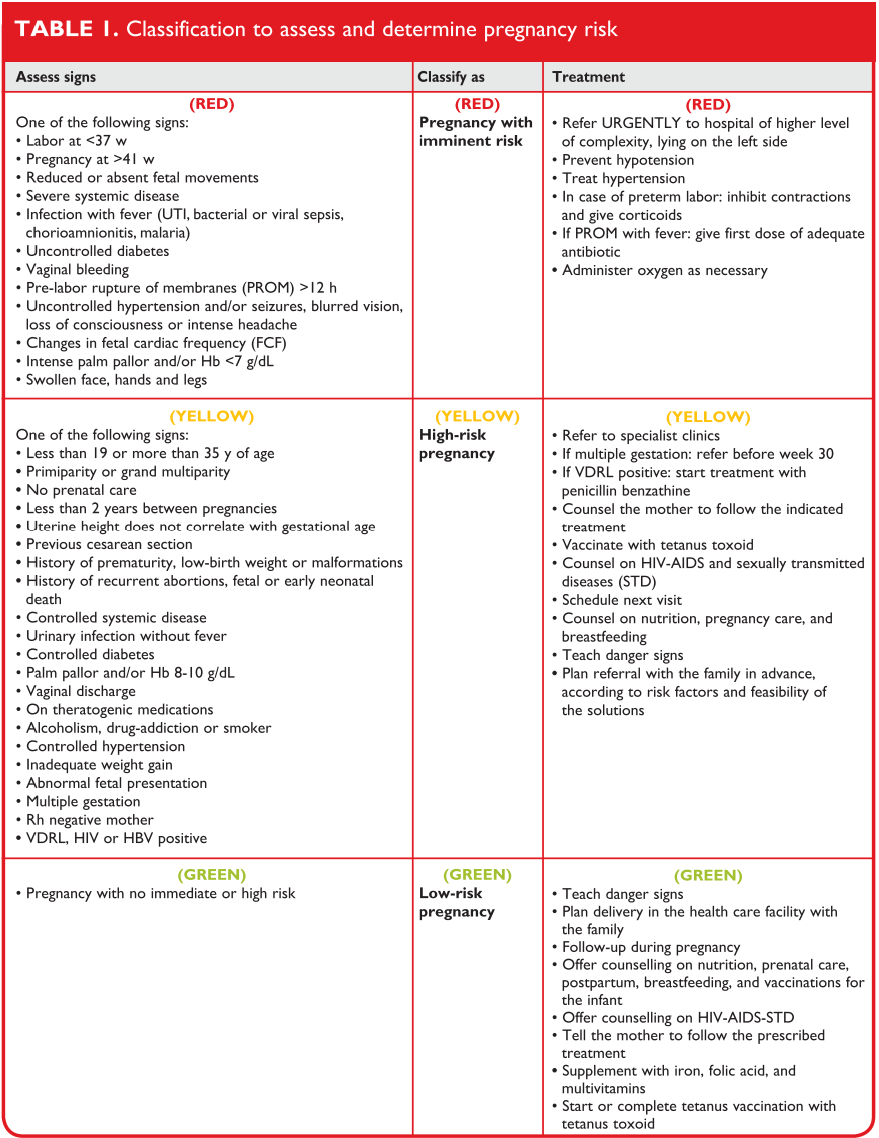
Table 1
BOX 1. Risk factors associated with probable need for neonatal resuscitation
Before delivery
- Maternal diabetes
- Maternal hypertension
- Anemia or isoimmunization
- Previous fetal/neonatal death
- Post-term gestation
- Multiple gestation
- Polyhydramnios or oligohydramnios
- Premature (pre-labor) rupture of membranes (PROM)
- Maternal infection
- Maternal consumption of drugs or medications
- Any other maternal illness l Diminished fetal activity
- Fetal distress observed by identification of abnormal fetal heart rate
- Known fetal malformations l Lack of prenatal care
- Maternal age <19 or >35 years old
During delivery
- Labor at less than 8 completed months of pregnancy
- Rapid labor
- Emergency cesarean section or use of forceps
- Prolonged PROM
- Fetal distress (alterations in the fetal heart rate)
- Significant vaginal bleeding
- Placental abruption
- Prolonged labor according to evaluation by partogram
- Meconium-stained amniotic fluid
- Umbilical cord prolapse and tight nuchal cord
- Anticipated low birth weight l Anticipated high birth weight
What equipment should be available?
Equipment for immediate care of the newborn at birth is listed in Box 2. Prepare the uterotonic before delivery, as well as other supplies to care for the mother. The resuscitation bag and masks should be appropriately sized for newborns and the bag should not require a pressurized gas source.It is recommended that sterile delivery kits be available. An example of the contents of the MSF recommended delivery kit is provided in Box 2.
BOX 2. Sample delivery kit
Before delivery
The MSF Standard equipment list for any delivery (all care providers):
- Infant stethoscope, double cup.
- Bulb syringe and/or Pump suction mechanical with tubing and/or Pump suction electrical with tubing
- Self-inflating bag (Ambu), child/neonate + masks 0 (premature) & 1 (newborn)
- Mobile radiant infant warmer (when possible)
- Equipment for Oxygen therapy (when possible)
- Oxygen concentrator
- Neonatal & Premature nasal prongs for oxygen (flow limited to 2 l/min maximum)
- Pulse oxymeter
- Suction catheters (8CH, 10CH, 12 CH, 14CH)
- Oro/Nasogastric tubes (6CH, 8CH, 10CH) with caps
- Butterfly set (22-25G)
- Cannulas (22-25G)
- Microdropper
- Stopcocks (two way or three way)
- IV tubing and IV poles
- Intra-osseous needles 18G + IV 19G
- Drugs & Supplies
- Dextrose 10%, Dextrose 50%
- Normal saline
- Epinephrine (1:10 000) solution
- Needles 16 or 18G to prepare injections
- Syringes 2, 5, 10 ml
- Glucometer
- Hemoglobin test
- Heel lancets
- Clock & Examination mobile lamp & Examination neonatal table
- Gloves
- Warm dry blankets, warm, dry and sterile sheets, baby clothes (hats and napkins)
- Chorhexidine 4% (or dermal povidone iodine 10%)
For further details consult a more advanced source, such as the Helping Babies Breathe manual from the American Academy of Pediatrics, and 7th edition of the Textbook of Neonatal Resuscitation from the American Academy of Pediatrics (AAP) and the American Heart Association (AHA).
What are the appropriate delivery procedures?
The Action Plan (Figure 3 – 2nd edition HBB Action Plan) summarizes the actions in providing routine care and help to breathe. Routine care of a baby who cries spontaneously at birth includes:
- Dry thoroughly by rubbing with a dry cloth.
- Keep warm by positioning the baby skin-to-skin with mother, covering with a dry cloth and a head covering.
- Check breathing by listening for grunting or other abnormal sounds, looking
for chest indrawing or cyanosis, and feeling chest movement to detect rapid breathing. - Clamp and cut the cord after 1 to 3 minutes. Apply clamps or cord ties 2 and 5 finger breadths from the abdomen. Use a sterile blade or scissors to cut the cord.
- Encourage initiation of breastfeeding in the first hour after birth. Utilize appropriate personal protection; personnel should use sterile gloves to the extent possible.
Everyone present at the delivery should perform hand hygiene. Remember to perform adequate identification procedures for the newborn (take the infant’s footprints in a form together with the mother’s fingerprint and provide the newborn with an identification bracelet, if available). This issue takes on added importance in situations of administrative disorder, as is usually the case in acute humanitarian emergencies.
Provide the child with an environment as warm as possible. It is essential to dry the infant immediately. Leaving the baby wet may result in cold stress. Early skin-to-skin contact with the mother has been shown to be effective and desirable. Immediate breastfeeding following delivery is advisable for healthy infants. Even if the newborn requires resuscitation and ongoing care, the parents should have at least brief contact and be fully informed of care.
Three major questions should be asked about every newborn child to define the need for resuscitation:
- Is this a full-term gestation?
- Is the baby breathing or crying?
- Is there good muscle tone?
Recognition
The evaluation question “is the baby crying?” identifies the baby who needs help to breathe. An infant who is gasping, breathing shallowly, or not breathing at all requires help to breathe. Quick action increases the chance of a good response. The Golden Minute emphasizes that a baby who is not crying after thorough drying should be breathing or
receiving positive-pressure ventilation by one minute after birth.
- Is the baby breathing or crying? Absent respiratory effort (apnea) or inadequate respiratory effort (gasping; breathing with superficial and ineffective inspiratory movements) is the first reason to initiate resuscitation.
- Is there good muscle tone? Poor muscle tone might indicate hypoxemia. Preterm newborns normally have a lower muscle tone than term babies.
Term infants with good respiratory effort and muscle tone can be dried and placed over the mother’s body for better thermal protection and suckling under continued observation.
Resuscitation treatment
The sequence of neonatal resuscitation for the baby who is not crying begins with thermal protection, proper positioning of the newborn, and brief stimulation.
- Thermal protection. Dry the baby rapidly to reduce evaporation. Place the baby skin-to-skin with the mother after drying. A radiant heater can be used if resuscitation interventions are required. If a warming device is used, hyperthermia must be avoided. Wrapping a very preterm infant in clear food-grade plastic film is effective in reducing cold stress while allowing access to the infant. Cover the baby’s head with a cap. A sick baby who needs to be transported can be protected from cold by placing an exothermic chemical mattress under a blanket, skin-to-skin contact with an adult, or swaddling in warm blankets covered by a windproof, reflective outer layer. Heating pads, hot water bottles, and surgical gloves filled with hot water should be avoided because they can cause extensive burns.
- Position. The airway of the hypotonic baby is vulnerable to obstruction with flexion or extension of the neck. Position the infant on the back or side, with the head slightly extended in the “sniffing” position (Figure 1).
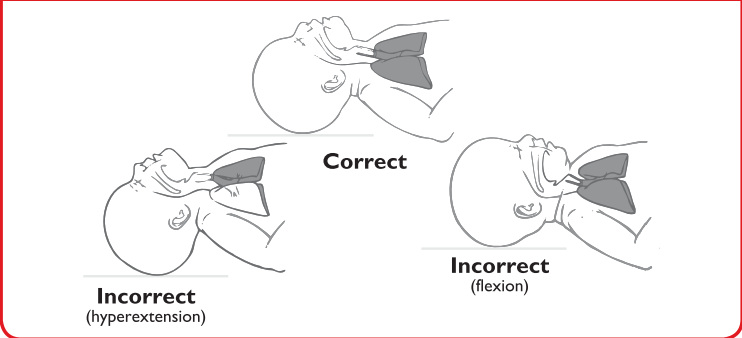
FIGURE 1. - Airway clearing. Remove secretions that obstruct the airway by wiping the nose and mouth with a cloth or by using a suction device. When there are copious secretions, suction the mouth before the nose (Figure 2). Suction must be brief, gentle and not very deep. Suctioning that is too vigorous, too deep, or too prolonged can cause damage, apnea, and bradycardia through vagal stimulation. The presence of meconium in the amniotic fluid can be a sign of fetal distress. Pharyngeal suctioning during birth has not been demonstrated to reduce the incidence of meconium aspiration syndrome. If meconium is present in the amniotic fluid, clear the airway before providing positivepressure ventilation.
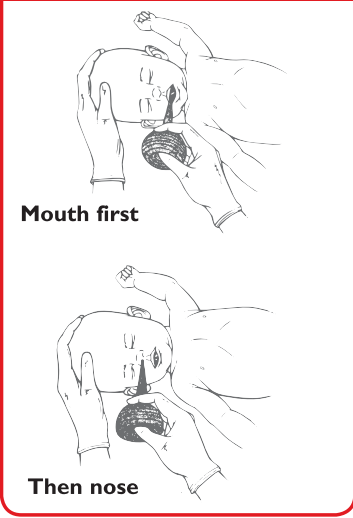
FIGURE 2. - Stimulation. Drying an infant thoroughly generally provides sufficient stimulation of breathing in a healthy newborn. Additional stimulation— flicking the soles of the feet or rubbing the back, for example— may encourage the initial respiratory effort and continued breathing during the early transitional period if needed. Vigorous or prolonged stimulation may harm to the baby and is not part of skillful resuscitation.
If supplemental oxygen is available, when is it indicated?
A number of studies have demonstrated that for most neonatal resuscitations requiring positive-pressure ventilation, room air is as effective as 100% oxygen. Data also indicate that in the first several minutes after birth cyanosis is common in babies who have normal outcomes.
Poor respiratory effort, as manifested by apnea or gasping (deep, intermittent, slow, spasmodic inspiratory efforts) is the major indication to initiate neonatal resuscitation.
The 2016 AAP Neonatal Resuscitation Program update includes the following recommendations for oxygen supply during resuscitation:
Room air to initiate positive-pressure ventilation in term infants and blended oxygen concentrations (21–30%) for initiation of PPV in very preterm infants.
Oximetry when
- Resuscitation can be anticipated
- Positive pressure is administered for more than a few breaths
- Cyanosis is persistent
- Supplemental oxygen is administered
Targets for oxygen saturation correspond to preductal saturations of healthy term babies in the first minutes after vaginal birth at sea level.
Pre-ductal SpO2 Target
| Time after birth | Pre-ductal SpO2 target |
|---|---|
| 1 Min | 60% - 65% |
| 2 Min | 65% - 70% |
| 3 Min | 70% - 75% |
| 4 Min | 75% - 80% |
| 5 Min | 80% - 85% |
| 10 Min | 85% - 95% |
These initial steps and possible subsequent actions are outlined in the flow diagram shown in Figure 3. Further steps in resuscitation are discussed in the following paragraphs.
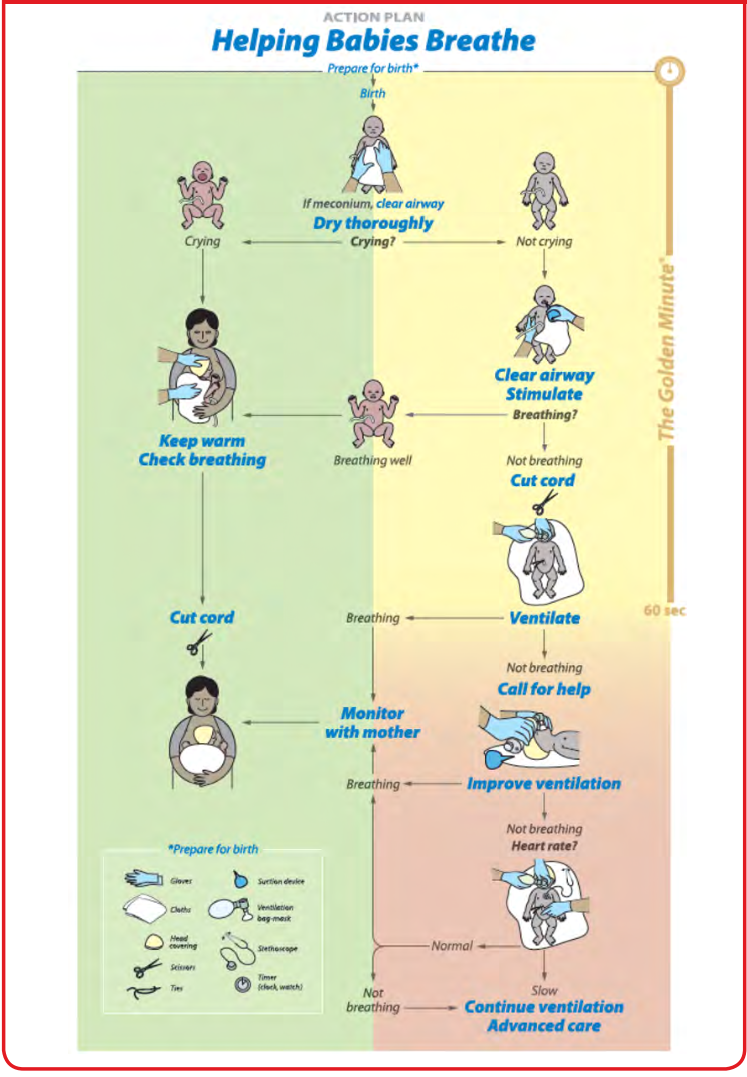
FIGURE 3. Helping Babies Breathe Action Plan
4. Additional neonatal resuscitation procedures
Ventilation
Poor respiratory effort, as manifested by apnea or gasping (deep, intermittent, slow, spasmodic inspiratory efforts), is the major indication to initiate neonatal resuscitation, and ventilation is the key to successful resuscitation. If the newborn does not rapidly establish effective spontaneous respiration, positive-pressure ventilation must be administered immediately.
What are the elements of positive-pressure ventilation?
The goal of positive-pressure ventilation is to inflate the lungs with an adequate breath. Inspirations that are too small will be ineffective for those in most need, and inspirations that are too large can damage the lungs. The effectiveness of ventilation can be judged as outlined in Box 3.
BOX 3. Signs of effective positive pressure ventilation
- Patient responds
- Rapid improvement in heart rate
- Improvement in skin color and muscle tone
- Breath sounds heard by auscultation over the chest
- Slight rise and fall in the chest
Many kinds of devices deliver positive-pressure ventilation for neo natal resuscitation. Flow-inflating bags, self-inflating bags, T-piece devices, oneway valve masks, and laryngeal masks are some of these devices. Most critical is the skill of the person who is operating any of these devices. Potential resuscitators should review the operation of the available devices, practice mock resuscitations, and test the operation of all bags, valves, connections, and safety features. Figure 4 illustrates the use of a self-inflating bag with a mask. The head is slightly extended. The mask covers the mouth and the nose. The fingers of the left hand lift the chin forward and upward and partially encircle the mask, placing light and even pressure downward onto the face to help create an adequate seal. The best indication of adequate lung inflation is the improvement in heart rate, color, and muscle tone.
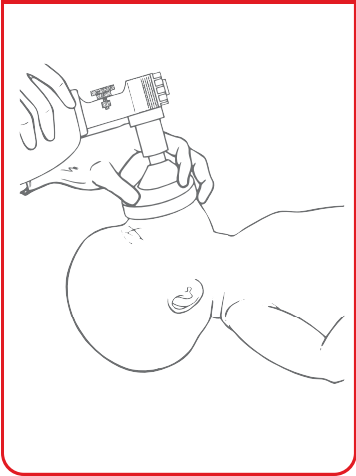
FIGURE 4. Light pressure on the mask when lifting upward on the chin will help create a seal. Anterior pressure on the posterior rim of the mandible (not shown) may also help open the airway.
How is positive pressure delivered?
A good seal with the mask and good positioning are essential. The recommended ventilation rate is 40 to 60 breaths per minute as illustrated in Figure 5.
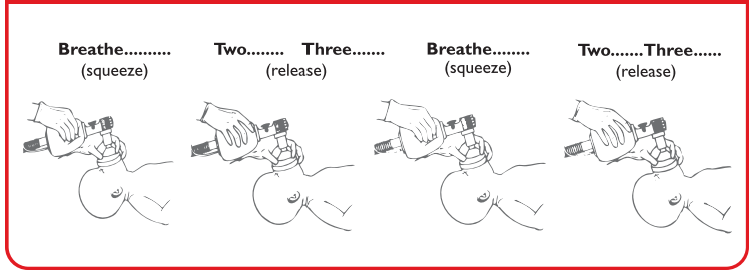
FIGURE 5. Counting out loud to maintain a rate of 40 to 60 breaths per minute
What if bag and mask ventilation is not effective?
If the patient is not improving, the most frequent cause is poor delivery of positive pressure. Failure to administer adequate positive pressure may be due to one of three common problems:
- An inadequate seal of the mask to the face:
- Reapply the mask to the face and lift the jaw up towards the mask.
- A blocked airway:
- Reposition the head to regain slight extension.
- Remove secretions in the nose and the mouth.
- Slightly open the mouth and continue positive-pressure ventilation.
- Need for larger breath:
- Increase the inflation pressure to achieve a slight rise and fall in the chest with each breath
What if the requirement for bag and mask ventilation is prolonged?
The inflations might distend the stomach and interfere with ventilation. In this case, insert a small plastic or rubber catheter through the mouth, aspirate the stomach contents, and fix the open end of the tube to allow continuous drainage.
Ask an assistant to check the heart rate during positive-pressure ventilation or pause ventilation after 1 minute to check the heart rate if you are alone. The normal heart rate is greater than 100 beats per minute. The pulse at this time can be felt easiest at the base of the umbilical cord or can be heard with a stethoscope over the left side of the chest.
Neonatal resuscitation in the setting of an emergency or disaster is focused on providing effective ventilation. If the heart rate stays below 60 beats per minute even after improving positive-pressure ventilation by the steps above, advanced resuscitation may be indicated. Tracheal intubation, chest compressions, and medication administration can be provided when personnel and capability for acute and supportive care exist. For this reason, antenatal transport of preterm or high-risk term pregnancies to a center providing comprehensive emergency obstetric and neonatal care is preferable.
5. Other common questions regarding neonatal resuscitation
How quickly should resuscitation be started?
Prompt resuscitation is the most effective. If the infant is apneic, gasping, or breathing
ineffectively after drying, clearing the airway, and providing additional stimulation, begin positive pressure ventilation. Usually the newborn will be less than 1 minute old (Figure 3).
Are delays or interruptions of resuscitation harmful?
Animal data indicate that delays in resuscitation significantly diminish its effectiveness. Experiences with adults show that even brief interruptions in resuscitation support are harmful.
Are there indications for not starting resuscitation?
Dramatic circumstances, such as extreme prematurity or severe congenital malformations, may be such indications. Clinical judgment and discussion with the parents should be emphasized.
If resuscitation has been done and life-sustaining therapies then seem undesirable, can treatments be stopped?
Most experts agree that resuscitation does not commit a child to future non-beneficial treatment.
If a baby does not respond to resuscitation, how long should the procedures be continued?
Consider stopping resuscitation if the infant has no heart rate or a heart rate below 60 beats per minute after 10 minutes of positive-pressure ventilation with all steps to improve positive-pressure ventilation. If the infant has a heart rate above 60 beats per minute, but does not breathe spontaneously, ventilation can be continued while seeking advanced care.
6. Post-resuscitation management
The child must be thoroughly monitored and evaluated in the hours and days following resuscitation. Consider arrangements for advanced care for any of the following:
- Birth weight <1500 g
- Difficult breathing, cyanosis, apnea
- High or low temperature (normal axillary temperature: 36.5–37.5ºC), seizures, poor responsiveness, poor feeding, persistent alterations of muscle tone, or severe jaundice.
Record details of resuscitation procedures and results as part of a permanent document for the child.
7. Summary
When treating newborns, good hand hygiene must be observed, and babies must be protected from contamination.
For all newly born infants the first step is to ensure thermal protection and dry the infant thoroughly; next, position the head, clear the airway as necessary, and stimulate the breathing child. Evaluate breathing. If apnea, gasping, or inadequate breathing is observed, give positive-pressure ventilation and mobilize additional resuscitation team members. The child is evaluated again after 1 minute of positive-pressure ventilation and steps to improve ventilation (if necessary). If apneic, support is continued. When heart rate is >100 beats per minute and spontaneous respirations are adequate, positive-pressure ventilation is discontinued.
Communication with and emotional support for the mother is of high priority. Mothers and babies should be kept together, if at all possible. Infants with ongoing problems or high-risk conditions should be referred to a higher level of care as appropriate.
8. Suggested Reading
- Guidelines on Basic Newborn Resuscitation: Geneva: World Health Organization. 2013
- Helping Babies Breathe Website.
- Kattwinkel J, ed. Textbook of Neonatal Resuscitation. 7th ed. American Academy of Pediatrics and American Heart Association; 2016.
- Tan A, Schulze A, O’Donnell CP, Davis PG. Air versus oxygen for resuscitation of infants at birth. Cochrane Database System Review 2003;(2):CD002273.
- World Health Organization/Panamerican Health Organization. Integrated Management of Childhood Illness. Model chapter for textbooks. Washington, DC; 2004.
- World Health Organization. Pregnancy, Childbirth, Postpartum and Newborn Care: A Guide for Essential Practice. Geneva: 2003.
- Wyckoff MH, AzizK, Escobedo MB, Kapadia VS, Kattwinkel J, Perlman JM, Simon WM, Weiner GM, Zaichkin JG. Part 13: neonatal resuscitation: 2015 American Heart Association Guidelines
- Update for Cardiopulmonary Resuscitation and Emergency Cardiovascular Care. Circulation. 2015; 132(suppl 2):S543–S560.
9. Case Resolution
In this case, several risk factors are associated with the need for neonatal resuscitation: patient’s age, inadequate prenatal care, maternal hypertension, and alterations in fetal cardiac frequency. A newborn exhibiting these risk factors is likely to need advanced resuscitation procedures. Ideally, refer the patient to a high-complexity mother-child care center. If that is not possible, it would be preferable to rely upon trained personnel and adequate equipment for an advanced resuscitation. It would be important to transport the child to a neonatal specialized center immediately after initial resuscitation for further care.
10. Book Review
SECTION I- DELIVERY AND IMMEDIATE NEONATAL CARE
- What are the key steps for a successful resuscitation?
- What equipment and supplies are needed to perform neonatal resuscitation?
- What maternal, obstetric, and fetal (or neonatal) factors indicate a high probability of needing advanced neonatal resuscitation?
- What are the initial steps in resuscitation of the newborn?
- When and how should positive-pressure ventilation be administered to the newborn?
- What are the indications for oxygen administration and how should it be administered?
- What signs are used to gauge the need for advanced neonatal resuscitation?