Diarrhea and Dehydration
| Site: | Pediatric Pandemic Network Learn |
| Course: | Diarrhea and Dehydration |
| Book: | Diarrhea and Dehydration |
| Printed by: | Guest user |
| Date: | Saturday, September 12, 2026, 5:25 PM |
1. Overview
Welcome to this multimedia open access edition of this chapter book titled Diarrhea and Dehydration.
This content is available as a digital book in two formats:
1) Website, which you are currently reading. This format offers a mobile friendly multimedia experience with sharable links to chapters. There are three ways to move through the book:
a) Use the table of contents chapter navigation to the left to navigate to different chapters in the book. Scroll through the links to select the chapter that interests you.

b) Use the yellow arrows that appear when scrolling to select previous and next chapters.

c) Use the previous chapter and next chapter buttons at the bottom of very page to navigate through the book.

2) Printable, which you can save as a PDF and open without an Internet connection.
1.1. Acknowledgements
Created by the Center for Global Health, Colorado School of Public Health
This content is owned by the Center for Global Health, Colorado School of Public Health, and has been jointly created by the Center for Global Health, Colorado School of Public Health and the Maternal and Child Health Department of Maimonides University; both of which are WHO Collaborating Centers in Maternal and Child Health. The course materials were developed with input from the American Academy of Pediatrics (AAP), the Pan American Health Organization (PAHO), and the Association for Health Research & Development (ACINDES).
With Support from the Pediatric Pandemic Network

The Pediatric Pandemic Network is supported in part by the Health Resources and Services Administration (HRSA) of the U.S. Department of Health and Human Services (HHS) as part of cooperative agreements U1IMC43532 and U1IMC45814 with 0 percent financed with nongovernmental sources. The content presented here is that of the authors and does not necessarily represent the official views of, nor an endorsement by HRSA, HHS, or the U.S. Government. For more information, visit HRSA.gov.

Attribution-NonCommercial-NoDerivatives CC BY-NC-ND
You are free to download and share this work for noncommercial purposes, as long as you credit the Center for Global Health and the Pediatric Pandemic Network for the original creation.
2. Introduction
Book Authors
Clifton E. Yu, MD, FAAP | Douglas A. Lougee, MD, MPH | Dr. Jorge R. Murno
Poor sanitary conditions in disaster-stricken areas result in higher risk for diarrheal illness in vulnerable populations, especially children. This disease negatively impacts the nutritional status of affected children and causes significant morbidity and mortality. Early diagnosis and treatment are thus essential to reduce the impact of diarrheal diseases on people affected by disasters. Early identification of cases allows the implementation of measures needed to prevent or lessen outbreaks that can occur in displaced populations in this context. The use of primary care management tools, such as the Integrated Management of Childhood Illness (IMCI) strategy is highly important.
This module will first discuss diarrheal diseases and their management, and dehydration and its treatments.
3. Diarrheal Illnesses
OBJECTIVES
- Describe the management of acute diarrhea.
- Identify the clinical indications for antibiotic therapy for diarrheal illness in an acute emergency setting.
- Identify the clinical features of dysentery, the most frequent causative pathogens, and the antibiotics that can be used to treat the infection.
- Use the Integrated Management of Childhood Illness (IMCI) guidelines in the treatment of children with diarrhea.
Definition of Diarrhea
Diarrhea is the passage of loose or watery stools at least 3 times in a 24 hour period. However, it is the consistency of the stools rather than the number that is most important. Acute diarrhea may be caused by different viruses, bacteria, and parasites. Rotavirus and Norwalk-like virus are the most common agents, causing up to 50% of acute diarrhea cases during the high-incidence seasons. It is most practical to base the treatment of diarrhea on the clinical type of the illness, which is easy to establish when a child is first examined. Usually there is no need for laboratory tests.
In disaster situations, due to overcrowded living conditions, lack of adequate clean water supply, and stool disposal, diarrhea is one of the most significant causes of morbidity and mortality, particularly among children. Early detection and treatment are therefore key elements in public health interventions, not only to manage individual cases but also to prevent transmission of the disease to the rest of the population. Effective hygiene measures markedly reduce the frequency of diarrheal diseases.
CASE 1:
In disaster situations, due to overcrowded living conditions, lack of adequate clean water supply, and stool disposal, diarrhea is one of the most significant causes of morbidity and mortality, particularly among children. Early detection and treatment are therefore key elements in public health interventions, not only to manage individual cases but also to prevent transmission of the disease to the rest of the population. Effective hygiene measures markedly reduce the frequency of diarrheal diseases.
- What is the most probable etiology of this infant’s illness?
- What treatment should be given?
- What measures should be taken to prevent recurrences?
3.1. Types of Diarrhea
In a disaster scenario a child with diarrhea may present with three potentially severe or very severe clinical conditions: (1) acute watery diarrhea (including cholera), which lasts several hours or days, and can cause dehydration, (2) acute bloody diarrhea or dysentery, which may cause intestinal damage, sepsis, malnutrition and dehydration, and (3) persistent diarrhea (diarrhea that lasts more than 14 days).
All children with diarrhea should be assessed to determine the duration of diarrhea, if there is blood in the stools, and if dehydration is present.
Acute watery diarrhea is mainly caused by rotavirus, Norwalk-like virus, enterotoxigenic Escherichia coli (ETEC), Vibrio cholerae, Staphylococcus aureus, Clostridium difficile, Giardia, and cryptosporidia. Most frequent pathogens associated with acute bloody diarrhea are Shigella and Entamoeba histolytica. Campylobacter sp, invasive Escherichia coli, Salmonella, Aeromonas organisms, C. difficile, and Yersinia sp can also cause bloody diarrhea.
IMCI recommends use of oral antimicrobials only for children with bloody diarrhea (amoebic or bacterial dysentery), cholera, and giardasis.
3.2. Management of Acute Watery Diarrhea
Dehydration is the most common complication of acute watery diarrhea in children. Assessment and treatment of this complication are discussed in Section III.
Watery diarrhea caused by organisms other than Vibrio cholerae is usually self-limited and requires no antibiotic therapy. It is important to note that antibiotics have the potential to prolong the disruption of intestinal homeostasis and delay the recovery of normal bowel flora. Therefore, the Integrated Management of Childhood Illness (IMCI) recommends use of oral antimicrobials only for children with bloody diarrhea (amoebic or bacterial dysentery), cholera, and giardiasis. Treatment for these infections is discussed later in this section.
Antidiarrheal or antiemetic medications are not recommended to treat acute diarrhea, since they reduce intestinal motility, lengthen the course of the disease, prolong the contact of the causal pathogen with the intestinal mucosa, and can worsen systemic symptoms.
Nutrition is also an important issue in children with diarrhea. It is widely recognized that fasting does not modify the outcome or severity of the diarrheal disease. Therefore, in a child with diarrhea and normal hydration status breastfeeding (or bottle feeding with usual milk or formula if the infant is not breastfed), as well as feeding with age-appropriate food should be continued. A lactose-reduced or lactose-free diet provides no benefit to children with acute diarrhea.
In children with dehydration, feeding should be resumed as soon as normal hydration is achieved through any rehydration therapy appropriate for the severity of the dehydration. Remember that malnourished children are at higher risk of diarrhea due to intestinal mucosa alteration. The diarrheal illness in these patients can last longer because of the reduced enterocyte turnover. Thus, reduced food intake only worsens the degree of malnutrition prior to the episode of acute diarrhea.
Patients with diarrhea but no signs of dehydration usually have a fluid deficit less than 5% of their body weight. Although these children lack distinct signs of dehydration, they should be given more fluid than usual to prevent dehydration from developing. Table 1 shows the classification of diarrhea without dehydration or blood in stools according to the IMCI strategy.
TABLE 1. Classification of children with diarrhea without dehydration or blood in stools
| Assess signs | Classify | Treat |
|
(GREEN) Not enough signs to classify as dehydration |
(GREEN) No dehydration |
(GREEN)
|
3.3. Management of Acute Bloody Diarrhea
Bacterial Dysentery
A child is classified as having dysentery if the mother or caregiver reports blood in the child’s stools. Bloody diarrhea in young children is usually a sign of invasive enteric infection that carries a substantial risk of serious morbidity and death. About 10% of all diarrhea episodes in children under 5 ears old are dysenteric, but these cause up to 15% of all diarrheal deaths. Dysentery is especially severe in infants and children who are undernourished or who develop clinically-evident dehydration during their illness. Diarrheal episodes that begin with dysentery are more likely to become persistent than those that start without blood in the stools.
The goal of dysentery treatment is clinical improvement, as well as shortening the fecal shedding of the causative pathogen to limit transmission.
Evaluate children with acute bloody diarrhea. Administer appropriate fluids to prevent or treat dehydration, and provide food. In addition, they should receive for 5 days an oral antimicrobial active against Shigella, since this is the responsible organism in most cases (up to 60%) of dysentery in children.
It is essential to know the sensitivity of Shigella local strains, because antimicrobial resistance is common. A number of antimicrobials often used for the management of dysentery, such as amoxicillin and trimethoprim-sulfamethoxazole (TMP/SMX), may be ineffective for treating shigellosis irrespective of the local strain sensitivity. If available, consider ceftriaxone, a fluoroquinolone (in patients older than 18 years), or azithromycin for resistant strains. Ideally a stool culture is performed to identify the organism and guide treatment according to antimicrobial sensitivity. Hospital referral is recommended if the child is malnourished or if there is a previous underlying illness that can complicate the diarrheal disease.
Some regions of Latin America, such as Argentina, have a high incidence of hemolytic-uremic syndrome, a very severe condition caused by Shiga toxin-producing strains of E. coli, and associated with acute renal failure. Antibiotic treatment may precipitate renal failure. In these regions, before starting empiric antibiotic therapy, take a sample of stools for culture that will provide results within 48 hours.
Evidence of improvement in bloody diarrhea include defervescence, less blood in stools, less frequent evacuations, improved appetite, and a return to normal activity. If there is little or no improvement after 2 days, refer the child to a hospital for further evaluation and treatment. If referral is not possible, perform a stool culture in order to identify the organism and adjust antibiotic therapy. If the child is improving, the antimicrobial should be continued for 5 days.
Amoebic Dysentery
Amoebic dysentery is caused by Entamoeba histolytica, a protozoan parasite, and also presents with bloody diarrhea. It is transmitted by fecal-oral route, particularly through contaminated water and food. The most severe forms occur in infants, pregnant women, and malnourished children. As in Shigella-associated dysentery, the stools often contain visible blood, and diarrhea may be associated with fever and abdominal pain. Hepatomegaly may be present.
Complications include fulminant colitis, toxic megacolon, bowel perforation, and liver abscess.
When a microscopic test reveals amoebic trophozoites or cysts, or when a patient with bloody diarrhea has failed two different antibiotic series, give metronidazole (30 mg/kg/day for 5-10 days).
3.4. Management of Persistent Diarrhea
Persistent diarrhea is an episode of diarrhea, with or without blood, which begins acutely and lasts at least 14 days. It accounts for up to 15% of all episodes of diarrhea but is associated with 30% to 50% of deaths. Persistent diarrhea is usually associated with weight loss and often with serious non-intestinal infections. Many children who develop persistent diarrhea are malnourished, greatly increasing their risk of death. Persistent diarrhea almost never occurs in infants who are exclusively breastfed.
All children with diarrhea for 14 days or more should be classified based on the presence or absence of any dehydration (Table 2):
- Children with severe persistent diarrhea who also have any degree of dehydration require special treatment and should not be managed at the outpatient facility. Referral to a hospital is required. As a rule, treatment of dehydration should be initiated first, unless there is another severe classification.
- Children with persistent diarrhea and no signs of dehydration can be safely managed in the outpatient clinic, at least initially. Proper feeding is the most important aspect of treatment for most children with persistent diarrhea. The goals of nutritional therapy are to:
- temporarily reduce the amount of animal milk (or lactose) in the diet;
- provide a sufficient intake of energy, protein, vitamins, and minerals to facilitate the repair process in the damaged gut mucosa and improve nutritional status;
- avoid giving foods or drinks that may aggravate the diarrhea; and
- ensure adequate food intake during convalescence to correct any malnutrition.
Table 2. Classification of Children with Persistent Diarrhea Has the Child Had Diarrhea for 14 Days or More?
| Assess signs | Classify | Treatment |
|---|---|---|
| With dehydration | Severe persistent diarrhea |
|
| Without dehydration | Persistent diarrhea |
|
*Recommend that the mother temporarily reduce the amount of animal milk to 50 mL/kg/day, if animal milk is already part of the child’s usual diet, and to continue breast-feeding. If the child is older than 6 months, appropriate complementary food should be given in small, frequent amounts, at least 6 times a day.
Proper feeding is the most important aspect of treatment for most children with persistent diarrhea
Routine treatment of persistent diarrhea with antimicrobials is not effective. Some children, however, have nonintestinal (or intestinal) infections that require specific antimicrobial therapy. The persistent diarrhea of such children will not improve until these infections are diagnosed and treated.
3.5. Management of Giardiasis
Giardiasis, an intestinal infestation due to a protozoan parasite, can also cause nonbloody foul-smelling diarrhea that can be associated with chronic malabsorption. The infection may be asymptomatic or may cause abdominal cramps, epigastric pain, and flatulence. Fever is uncommon. Transmission occurs by fecal-oral route, through contaminated water (particularly surface water), from person to person, or fomites. Even a small inoculum can result in infection.
Consider treatment with metronidazole (15 mg/kg/day for 5 days) for children presenting with chronic, malabsorptive, nonbloody diarrhea without fever, as well as for patients in whom a microscopic stool exam identifies cysts or trophozoites.
3.6. Epidemic Cholera
Cholera is a disease caused by the toxin produced by Vibrio cholerae. It is an endemic infection in many parts of the world, including tropical and subtropical areas. Transmission of cholera in disaster situations most frequently involves contaminated water and increased fecal-oral spread related to environmental conditions. Vibrio cholerae can survive in water for 7 to 10 days. Contaminated food may also result in outbreaks.
It is important to identify outbreaks as early as possible and take preventive measures. Cholera is a public health emergency. The first suspected case of cholera in an area needs to be confirmed by culture, and public health authorities should be notified immediately.
Confirm the diagnosis with a qualified laboratory and determine antibiotic susceptibility. Once cholera is confirmed in an area, identification of subsequent cases can be based on clinical findings. Since diarrheal illnesses with significant dehydration are common among children, the first recognition of cholera in an area is usually based on the identification of an adult case. Suspect cholera in any adult presenting with severe profuse watery diarrhea and severe dehydration, particularly if the patient dies because of the illness.
Take measures to control the outbreak. Take action to identify milder cases in people who might not seek care. Community efforts should involve improving sanitation, educating families about personal hygiene and food safety, and ensuring a noncontaminated water supply. Occasionally household chlorination or boiling of water will be necessary.
Clinical manifestations of cholera include painless diarrhea without fever. The volume of stools can vary considerably. In severe cholera, stools have the appearance of rice water. The severe fluid loss can cause shock within the first 4 to 12 hours in untreated patients. Additional findings include anxiety, muscle cramps, weakness (related to electrolyte alterations and hypoglycemia), and altered mental status (Table 3).
Table 3. Typical Electrolyte Composition of a Cholera Stool
| Na\( ^{+} \) | K\( ^{+} \) | Na\( ^ \) | HCO\( ^{3} \)\( ^ \) | |
|---|---|---|---|---|
| Adult | 135 | 15 | 100 | 45 |
| Child | 105 | 25 | 90 | 30 |
From: Mandell, Douglas, Bennett. Principles and Practice of Infectious Disease. 3rd ed. New York, NY: Churchill Livingstone; 1990.
Management of Cholera
Treatment of patients with oral rehydration solution (ORS) by itself reduces the case fatality rate (CFR) to less than 1%. However, antibiotic therapy with doxycycline, tetracycline, TMP/SMX, erythromycin, chloramphenicol, or fluoroquinolones can reduce the volume and duration of diarrhea, thus helping to limit transmission (Table 4). Fluoroquinolones are indicated when there is multidrug resistance. Manage mental status alterations with glucose to correct possible hypoglycemia. Once cholera is confirmed in an area, monitor CFR to determine the adequacy/availability of rehydration therapy.
Table 4. Pediatric Antibiotic Doses for Cholera
| Antibiotic | Dose |
|---|---|
|
Doxycycline Tetracycline TMP/SMX |
6 mg/kg/dose (1dose) 50 mg/kg every 6 hours for 3 days* 5 mg/kg (TMP) every 12 hours for 3 days |
*Children >6 years
Treatment of patients with ORS alone reduces the case fatality rate (CFR) to less than 1%.
4. Dehydration
OBJECTIVES
- Describe and identify the different types of dehydration.
- Assess the degree of dehydration.
- Describe the physiologic basis of oral rehydration therapy (ORT).
- Explain the characteristics and routes of administration of ORT solutions.
- List the advantages of ORT.
- Define when ORT has failed and when ORT is contraindicated.
- Describe how to give ORT to children with severe dehydration.
- Outline a strategy for setting up an ORT unit at the site of a disaster.
Dehydration resulting from acute diarrheal illness is one of the most significant causes of morbidity and mortality in populations displaced by disaster. In some cases, it accounts for more than 50% of the deaths during the initial stages of a humanitarian emergency. The use of oral rehydration therapy (ORT) has markedly reduced the morbidity and mortality associated with dehydration caused by diarrheal illness regardless of the etiology.
CASE (contd):
The child presents again 24 hours later. He has continued to have loose stools that have now turned watery. He has also continued to vomit all fluids he has been offered. The mother says he is drowsy and much weakened. There has been no urine output for more than 8 hours. Physical examination shows marked sunken eyes, reduced skin turgor (>4 seconds), capillary refill >5 seconds, and pale and cold skin.
- What is the appropriate course of action at this moment?
Dehydration resulting from acute diarrheal illness is one of the most significant causes of morbidity and mortality in populations displaced by disaster.
4.1. Dehydration Types
Dehydration is usually classified into 3 types based on the amount of sodium in the blood: isotonic, hypotonic (hyponatremia), and hypertonic (hypernatremia). In clinical practice, the first 2 can be grouped into a single isohypotonic category since they share similar physiologic characteristics, clinical presentations, and treatments. In this case, net water and electrolyte loss is either hypertonic (resulting in hypotonic dehydration) or isotonic (resulting in isotonic dehydration) compared to normal plasma osmolarity. As a result of these losses, extracellular fluid volume (EFV) is significantly reduced, with no or little decrease in intracellular fluid volume (IFV). Reduced EFV is responsible for most of the clinical signs of dehydration, which are therefore very evident.
Hypertonic dehydration occurs when net fluid losses are hypotonic in comparison to normal plasma osmolarity. In this case, the osmolar balance between the intracellular and extracellular compartment leads to the shift of water from the intracellular to the extracellular space. Because EFV is thus compensated and less affected, clinical signs of dehydration are less obvious. The loss of intracellular fluid results in intracellular dehydration evidenced by specific clinical features.
4.2. Dehydration Degrees
The most accurate way to assess the degree of dehydration is by calculating the percentage of weight loss. However, a child’s weight prior to the episode is rarely known, and it is usually necessary to rely on clinical signs. Table 7 describes the clinical signs according to different degrees of dehydration.
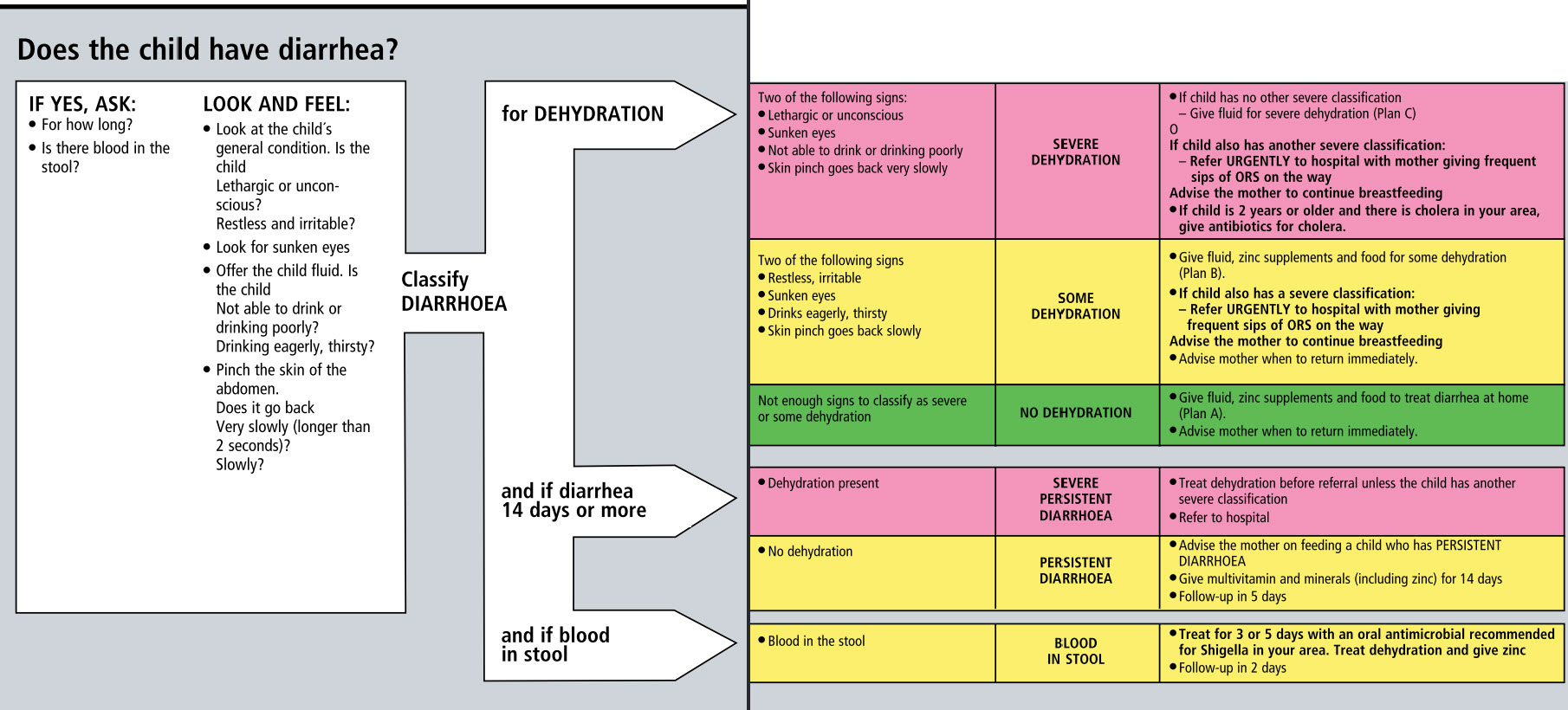
According to IMCI guidelines the signs suggesting severe dehydration include the following 4 signs: lethargy or unconscious, sunken eyes, skin pinch that goes back very slowly, and not able to drink or drinking poorly. A child with at least 2 of these signs is classified as severe (pink). The 4 signs that indicate some dehydration (yellow) include restless or irritable, sunken eyes, thirsty and drinks eagerly, sunken eyes, and the skin pinch goes back slowly (not very slowly). Again the child must have at least 2 of these signs. Children 2 months to 5 years that do not have at least 2 signs are considered green and do not have some or severe dehydration.
Even if an accurate assessment of the degree of dehydration might not be possible, a diagnosis of mild (fluid loss <5% of body weight) or severe (fluid loss >10% and usually accompanied by significant hemodynamic disturbance) dehydration can be made through the clinical signs that become visible in each condition.
Severe dehydration (fluid loss 10% of body weight) is usually accompanied with significant hemodynamic disturbance.
Remember that decreased skin turgor (skin pinch) may be misleading, since it can be present in malnourished children without dehydration. The Integrated Management of Childhood Illness (IMCI) strategy classifies dehydration and determines its treatment according to clinical findings (Table 7).
The IMCI strategy classifies dehydration and determines its treatment according to clinical findings.
Table 7. Classification of Dehydration
| PINK |
|---|
Two of the following signs:
|
| YELLOW |
|---|
Two of the following signs:
|
| GREEN |
|---|
| Not enough signs to classify as dehydration |
| PINK |
|---|
| Severe dehydration |
| YELLOW |
|---|
| Some dehydration |
| GREEN |
|---|
| No dehydration |
| PINK |
|---|
|
| YELLOW |
|---|
|
| GREEN |
|---|
|
Hypertonic Dehydration
Hypertonic dehydration usually presents with specific features associated with the underlying physiologic process that causes it. Risk factors include previous exposure to very hot weather or to heated rooms while wearing too much clothing, resulting in significant sweating with low sodium loss; fever; or the administration of fluids containing too much salt. Typical clinical signs (sunken eyes, decreased skin turgor, hypotension) are less evident than in isotonic or hypotonic dehydration of the same severity. The tendency to develop shock is delayed because the intravascular volume is relatively protected by the water shift from the intracellular space. The patient is usually very irritable, even with very severe degrees of dehydration, and drinks avidly. Seizures and intracranial hemorrhage may occur. For treatment, if ORT has failed or is contraindicated, intravenous (IV) rehydration therapy should correct the electrolytic disorder within 36 to 48 hours. This situation is different in hypotonic dehydration, where IV correction can be attained within a few hours using polyelectrolytic solutions.
4.3. Management of Dehydration
Oral Rehydration Therapy
The efficacy and safety of ORT have been proven worldwide. In 1964, the identification of the sodium-glucose cotransport system in the intestinal mucosa led to the development of different solutions for the oral treatment of dehydration. During the 1971 cholera outbreak in Bangladesh, mortality rates from diarrheal illness dropped from 25% to 3% when ORT was introduced instead of IV therapy. In the overwhelming majority of patients with diarrheal illness in a disaster, ORT is effective in preventing and treating the associated dehydration.
Physiological Basis of ORT
In normal physiologic status, water is absorbed osmotically across the small bowel through tight junctions between epithelial cells due to a sodium gradient that is maintained by 2 mechanisms of sodium absorption in the brush border membrane of the luminal cell: passive sodium/potassium diffusion and active cotransport of sodium jointly with monosaccharides such as glucose. The resulting intracellular sodium is then actively transported via ATPase carrier enzymes into the intercellular space, resulting in an osmotic gradient between the intercellular and luminal spaces, allowing for free diffusion of water (Figure 1).
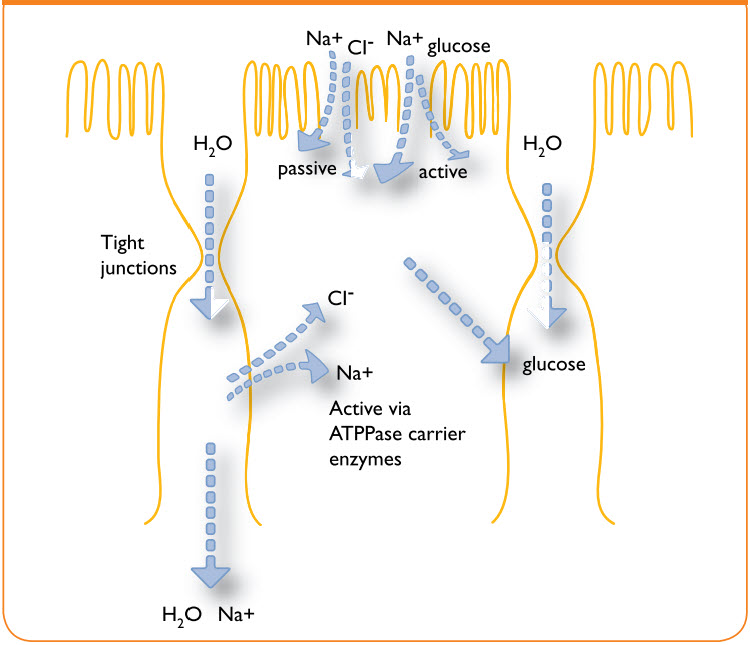
FIGURE 1. Mechanisms of water absorption in the intestinal mucosa
In diarrheal illness, the passive absorptive mechanism of sodium and chloride is impaired, but glucose absorption remains largely intact. This allows the absorption of enough water and sodium to compensate for fluid losses as significant as those seen in cholera. The osmotic gradient in the intercellular space maintains the absorption of potassium and bicarbonate. In this way, the metabolic acidosis usually associated with dehydration can be corrected without the risk of overcorrection.
Advantages of Oral Rehydration Therapy
Oral rehydration therapy has multiple advantages over parenteral rehydration (Box 1). Since ORT uses the normal physiologic mechanisms of intestinal absorption there is no risk of complications, such as water overload or overcorrection of electrolyte and acid-base disturbances associated with dehydration. Thus, ORT can be used in any dehydrated child, regardless of the type of dehydration. Moreover, laboratory tests are not usually necessary for the patient’s evaluation.
BOX 1: Advantages of ORT
- Use of normal physiologic mechanisms
- Early re-feeding
- 90-95% effective
- Effective for all types of dehydration
- No need for laboratory tests
- Low economic and social cost
- Availability
- No infectious, metabolic, or electrolytic complications
In the overwhelming majority of patients with diarrheal illness in a disaster, ORT is effective in preventing and treating the associated dehydration.
Normal hydration in children receiving ORT is usually achieved in 4 to 6 hours, allowing early refeeding, resulting in decreased risk of malnutrition associated with diarrheal disease.
Costs of ORT are minimal compared with those of IV therapy. Moreover, its major ingredients (salt, water, and sugar or starchy foods like rice) are often present in the community when premixed oral rehydration solutions (ORS) are not readily available. ORT is simple and can be given by trained health assistants. In addition, it requires the participation of the mother, thus encouraging family involvement in the child’s health. Because its requirements are minimal, ORT can be used at the site of the disaster, reducing the demands on medical hospitalbased personnel and allowing patients to be in close contact with their families (Box 2). Lastly, complications associated with invasive procedures, such as IV therapy, particularly infections, are totally avoided.
BOX 2: Requirements for ORT
- Oral rehydration salt packets
- Drinking water
- Refrigerator
- Watch
- Pencil and paper
- Scale
- Containers (feeding bottles, glasses, pitchers)
- Nasogastric tube
- Trained staff
Composition of ORS
The most widely used formulation for oral rehydration is the one designed by the World Health Organization (WHO).
The most important feature of this solution is the inclusion of equimolar quantities of sodium and glucose, which enhances the intestinal absorption of both molecules. The solution also contains a source of bases (bicarbonate or citrate) and potassium (Box 3).
BOX 3: Composition of WHO oral rehydration solution
| Reduced osmolarity ORS | grams/litre | Reduced osmolarity ORS | mmol/litre |
|---|---|---|---|
| Sodium chloride | 2.6 | Sodium | 75 |
| Glucose, anhydrous | 13.5 | Chloride | 65 |
| Potassium chloride | 1.5 | Glucose, anhydrous | 75 |
| Trisodium citrate | Potassium | 20 | |
| dihydrate | 2.9 | Citrate | 10 |
| Total Osmolarity | 245 |
The reduced osmolarity ORS containing 75 mEq/l sodium, 75 mmol/l glucose (total osmolarity of 245 mOsm/l) is as effective as standard ORS in adults with cholera. However, it is associated with an increased incidence of transient, asymptomatic hyponatraemia. This reduced osmolarity ORS may be used in place of standard ORS for treating adults with cholera, but careful monitoring is advised to better assess the risk, if any, of symptomatic hyponatraemia. Because of the improved effectiveness of reduced osmolarity ORS solution, especially for children with acute, non-cholera diarrhoea, WHO and UNICEF now recommend that countries use and manufacture this formulation in place of the previously recommended ORS solution with a total osmolarity of 311 mOsm/l.
Despite initial concerns for hypernatremia associated to the use of the WHO solution, particularly in hypertonic dehydration, the ORS has been proven to be efficacious and safe, regardless the patient’s serum sodium.
Oral rehydration therapy involves no risk of complications, such as water overload or overcorrection of the electrolyte and acid-base disturbances associated with diarrheal dehydration.
The WHO ORS does not reduce the duration or intensity of diarrhea. For this reason, research has focused on alternative formulations with different components, such as the use of amino acids as cotransporting molecules; solutions derived from cooked cereals, usually ricebased; and glucose-based ORS with lower osmolarity. Amino acid-based formulations have not been proven significantly beneficial. Rice-based formulations have demonstrated improved efficacy in patients with cholera. They may be used in situations where rice is readily available.
WHO has recently recommended the use of hypoosmolar solution, particularly for children with acute, non-cholera diarrhea.
A number of studies have demonstrated that lowering the concentrations of glucose and sodium to a total osmolarity of 245 mOsm/L can decrease stool output and vomiting in children with acute noncholera diarrhea, without significantly compromising efficacy in cholera patients. Based on these findings, the WHO has recently recommended the use of hypoosmolar solution, particularly for children with acute, non-cholera diarrhea.
In situations where prepackaged ORS is not available, rehydration can be performed with different extemporaneous solutions. The simplest requires rice, water, and salt. One hundred grams of rice is cooked in 1 liter of boiling water for 10 minutes or until the rice pops. The water is then drained from the rice into a container, and any remaining water is squeezed from the rice with a spoon. When all the water is squeezed from the rice, enough water is added to the solution to bring the total volume to 1 liter and 1 pinch of salt is added.
Use only drinking water to prepare rehydration solutions. Any other beverage (such as mineral water or carbonated beverages) will modify the concentrations of the various components and consequently reduce its efficacy. Ideally, once prepared, keep solutions refrigerated. Discard any unused solution 24 hours after preparation.
Contraindications for ORT
Contraindications for ORT are listed in (Box 4). The presence of other severe disease, such as sepsis or meningitis, also contraindicates the use of ORT, but vomiting before or during ORT is not a contraindication. Only untreatable vomiting will require parenteral therapy.
BOX 4: Contraindications for ORT
- Shock
- Patient younger than 1 month of age
- Ileus
- Significantly altered sensorium
- Severe difficulty breathing
- Painful abdominal distension
The presence of severe hemodynamic disturbances prompts immediate IV fluid replacement. However, if no supplies are available, perform ORT until IV treatment is possible.
Before starting ORT, auscultate the abdomen to check for the presence of bowel sounds and rule out a diarrhearelated ileus (severe hypokalemia, antispasmodic-drug toxicity).
4.4. Dehydration Management with the IMCI Guidelines
The IMCI guidelines for the management of dehydration in children with diarrhea include 3 plans. Administer Plan A to children with diarrhea but without dehydration or to those who have been successfully rehydrated. Plan B is for children with mild-moderate dehydration, and Plan C is for severe dehydration.
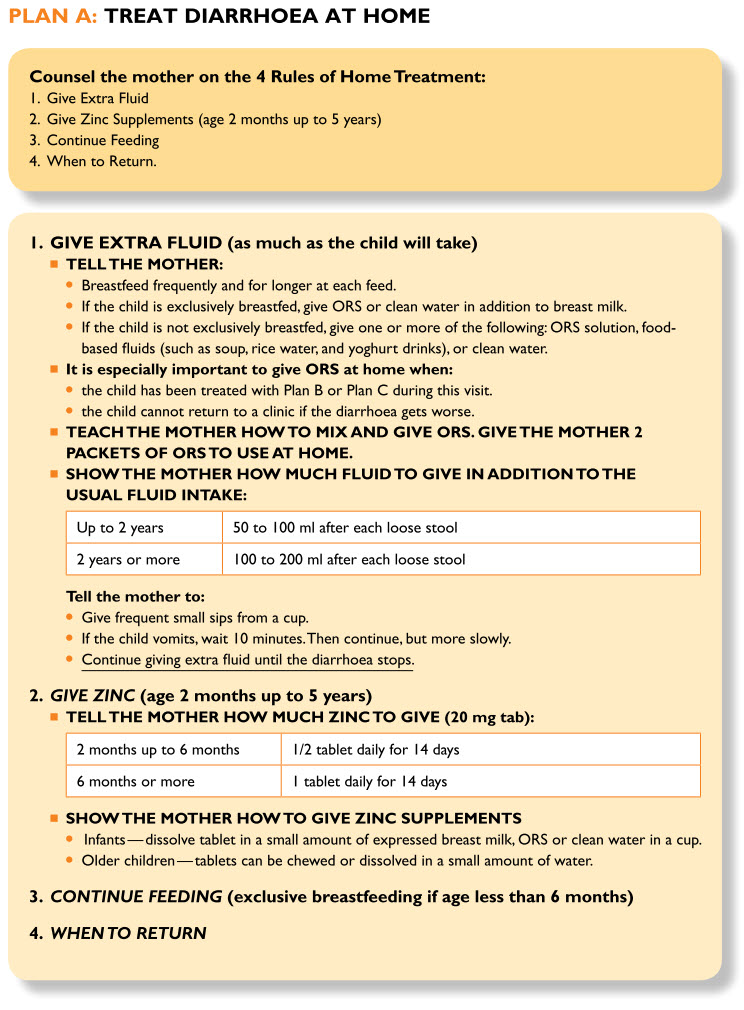
Plan A: Treat Diarrhoea at Home
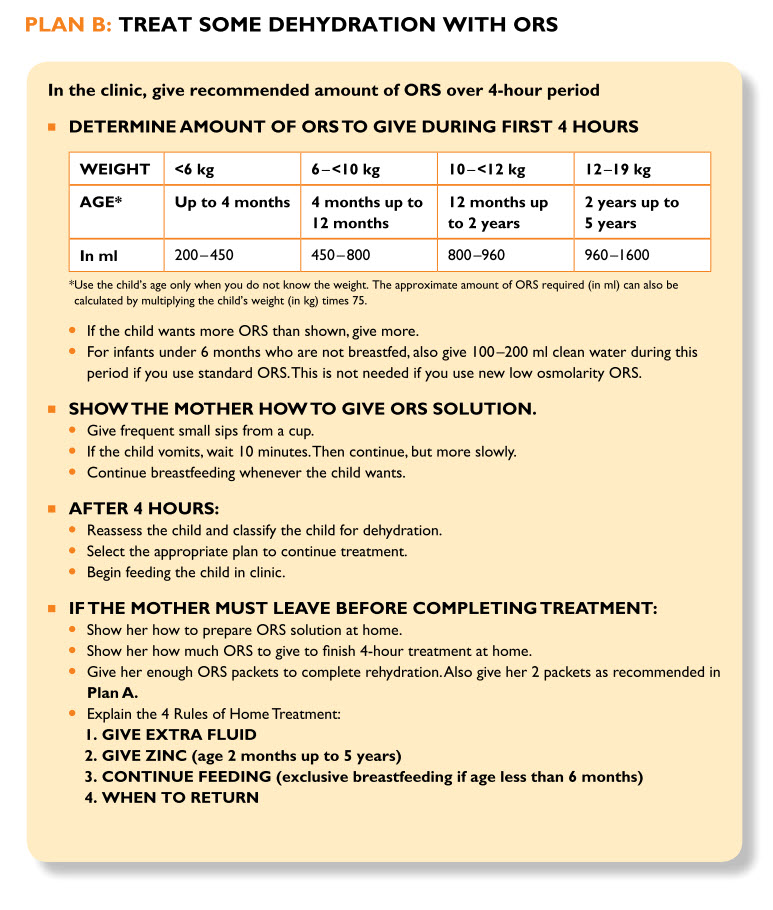
Plan B: Treat Some Dehydration with ORS
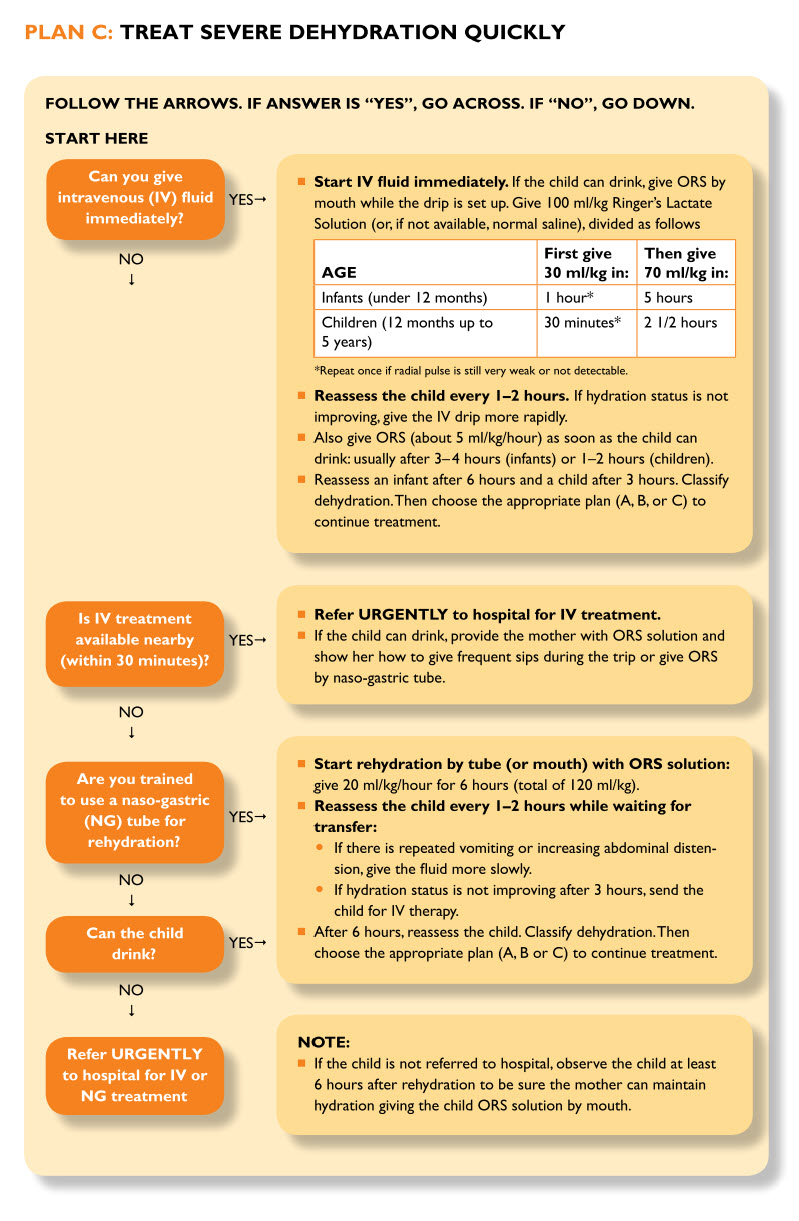
Figure 1. Scene Immobilization
4.5. Organization of ORT Units in Disaster Settings
Because morbidity and mortality associated with diarrhea can be significantly reduced by early hydration, set up ORT units at the onset of almost every disaster relief situation. Very few supplies are needed, and it is easy to train auxiliary personnel in the IMCI approach to ORT.
The supplies needed to set up an ORT unit include a sufficient number of ORS packets, if possible, an adequate amount of drinking water, and the rest of the items previously mentioned.
The staff in charge of the unit must keep records of the patients treated and should be trained to identify cases of severe dehydration and suspected cases of cholera. Such records are essential for surveillance purposes, and the information obtained will prove useful in improving public health interventions in disaster situations.
5. Diarrhea in Infants 0 to 2 Months of Age
OBJECTIVES
- Identify the different types of diarrhea.
- Define treatment for infants 0 to 2 months of age with diarrhea.
In this age group, diarrheal disease has some particular issues. The water content in the stools is higher than normal. Frequent evacuation of normal stools is not diarrhea, and the number of evacuations usually depends on diet and age. In a breastfed infant from 5 to 10 days of age loose stools are normal. If the neonate is in very good general status, with no signs of illness and feeds appropriately, the diagnosis will most probably be transition stools; these do not require treatment. After that period, breastfed infants’ stools continue to be loose, but usually without mucus or blood. The mother of an infant will normally recognize diarrhea because either the consistency of the stools or the frequency of evacuations will differ from normal.
Nevertheless, consider diarrhea in an infant younger than 2 months to be a severe infection and treat it accordingly.
Persistent diarrhea
Consider infants from 0 to 2 months of age with persistent (7 days or more) diarrhea severely ill and refer them to a hospital whenever possible. These patients require special care to prevent fluid loss. It might also be necessary to make dietary changes and to perform laboratory tests to identify the cause of diarrhea (Table 5).
Table 5. Classification of Persistent Diarrhea in Infants Less Than 2 Months
| Signs | Classify as | Treat |
|---|---|---|
|
(PINK) Diarrhea for 7 days or more |
(PINK) Persistent diarrhea |
(PINK)
|
Bloody Diarrhea
Most frequent causes of bloody diarrhea in the neonate include hemorrhagic disease (due to vitamin K deficiency), allergic colitis, necrotizing enterocolitis, or other coagulation disorders, such as disseminated intravascular coagulation due to sepsis. In infants older than 15 days of age, blood in the stools may result from anal fissures, cow’s milk allergy, or surgical disorders, such as intussusception. Bacterial dysentery is not common in this age group, but when it is suspected, consider Shigella and administer appropriate therapy. Amoebic dysentery is unusual in very young infants.
Consider bloody diarrhea in this age group as severe illness requiring urgent referral to a hospital (Table 6).
Table 6. Classification of Bloody Diarrhea in Infants Less Than 2 Months
| Assess signs | Classify as | Treat |
|---|---|---|
|
(PINK) Blood in stools |
(PINK) Bloody diarrhea |
(PINK)
|
Most frequent causes of bloody diarrhea in the neonate include hemorrhagic disease (due to vitamin K deficiency), allergic colitis, necrotizing enterocolitis, or other coagulation disorders, such as disseminated intravascular coagulation due to sepsis.
6. Summary
Diarrheal disease and dehydration—its most common complication—are the main causes of morbidity and mortality in populations exposed to a disaster. There are different types of diarrhea caused by different pathogens. The causative agent can be suspected from the clinical manifestations, which help in selecting the initial treatment.
ORT and continued feeding (especially breastfeeding) have notably reduced the morbidity and mortality classically associated with diarrhea and dehydration. The substantial advantages of ORT over IV therapy make it the ideal tool in humanitarian emergencies involving large displaced populations.
The IMCI strategy is a fundamental tool of primary care in emergency settings because it makes use of available resources to provide safe and effective treatment.
7. Suggested Reading
- Atención integrada a las enfermedades prevalentes de la infancia en Argentina. OPS Washington DC, 2005
- Black RE. Persistent diarrhea in children in developing countries. Pediatr Infect Dis J 1993:12:751-761.
- Fontaine O. Acute Diarrhea Pediatric Decision Making. 4th edition. Philadelphia; Mosby, 2003
- The management of bloody diarrhea in young children. Document WHO/CDD/94.9 Geneva, OMS, 1994.
- Dell RB. Pathophysiology of dehydration. In: Winters RW (ed). The body fluids in pediatrics. Boston, Little Brown, 1973.
- Sordo ME, Roccatagliata GM, Dastugue MG, Murno JR. Hidratación oral ambulatoria. In: Pediatría ambulatoria. Buenos Aires; Puma, 1987.
8. Annex
9. Case Resolution
Case 1-3.
Based on the frequency of the evacuations and the characteristics of the stools, the infant has acute diarrhea. There is no blood in the stools, so the most probable causative agent is rotavirus or E. coli. In both cases the disease is usually self-limited and does not require antibiotic therapy. Since the child is not dehydrated, advise the mother to give him ORS after every evacuation of loose stools, to provide more fluids than usually, and to continue breastfeeding and giving the child the other foods he usual eats. Determine if other household contacts are similarly affected, which might indicate an outbreak. If adults are experiencing significant watery diarrhea with dehydration, suspect V. cholerae infection. Continued breastfeeding is an important way to reduce potential recurrences. Intensify hygiene measures, and provide adequate water supply and stool disposal.
Case 4
Upon his return, the child presents with more than 2 signs in the IMCI classification for severe dehydration. There are no other signs of severe disease, but there are findings consistent with hemodynamic disorder (shock). Begin immediate treatment for severe dehydration (Plan C in the IMCI guidelines). Once rehydration has been achieved, the child should be switched to a maintenance plan (Plan A) and reassessed in 24 hours. Because there is no history of cholera in the population, antibiotic therapy is not needed.
10. Book Review
SECTION I - DIARRHEAL ILLNESSES
- What clinical features characterize the different types of diarrhea, and what are the most frequent etiological agents for each type?
- What are the fundamental components of the treatment of diarrhea?
- Why is nutrition important in the treatment of diarrhea?
- What steps do the IMCI guidelines recommend for treating diarrhea without blood in the stools and for dysentery?
- What treatment is indicated for the various agents responsible for bloody diarrhea?
- What are the causes of persistent diarrhea and what is the treatment?
- What are the characteristics of epidemic cholera, and what is the appropriate approach to managing an outbreak in an emergency setting?
SECTION II - DIARRHEA IN THE INFANT 0 TO 2 MONTHS OF AGE
- How should diarrhea be treated in the infant 0 to 2 months?
- What is the approach to managing persistent diarrhea in this age group?
- What is the treatment for bloody diarrhea in this age group?
SECTION III - DEHYDRATION
- What physiological and clinical features differentiate isotonic and hypotonic dehydration from hypertonic dehydration?
- What is the physiological basis of oral rehydration therapy (ORT)?
- How should ORT be administered, and what supplies are needed to implement ORT?
- What are the advantages and contraindications of ORT?
- What variables do the IMCI guidelines use to classify dehydrated children and to determine their treatment?
- What is the appropriate approach to managing severe dehydration in children?