Text size
Line height
Text spacing
Developed by the UNC School of Medicine and hosted by the Pediatric Pandemic Network (PPN), this Pediatrics & Obstetrics Module Collection offers essential training for managing a wide range of emergencies—from pediatric trauma and respiratory distress to childbirth complications and poisoning. Pediatric and obstetric cases require specialized care. These modules provide a clear, evidence-based approach to assessment, diagnosis, and treatment, helping clinicians deliver safe, effective care in high-pressure situations. Explore the collection to build your knowledge and confidence in pediatric and obstetric emergencies—ensuring better outcomes for mothers and children when it matters most.

This course was made possible by funds from the Agency for Healthcare Research and Quality grant, #1R18HS023479-01.
The EMSC Innovation and Improvement Center is supported by the Health Resources and Services Administration (HRSA) of the U.S. Department of Health and Human Services (HHS) as part of an award (U07MC37471) totaling $2.74M with 0 percent financed with nongovernmental sources. The contents are those of the author(s) and do not necessarily represent the official views of, nor an endorsement by, HRSA, HHS or the U.S. government. For more information, visit HRSA.gov.
The Pediatric Pandemic Network is supported in part by the Health Resources and Services Administration (HRSA) of the U.S. Department of Health and Human Services (HHS) as part of cooperative agreements U1IMC43532 and U1IMC45814 with 0 percent financed with nongovernmental sources. The content presented here is that of the authors and does not necessarily represent the official views of, nor an endorsement by HRSA, HHS, or the U.S. Government. For more information, visit HRSA.gov.

Attribution-NonCommercial-NoDerivatives CC BY-NC-ND
The content of these modules is released under CC BY-NC-ND, which does not include any stock imagery or footage used. You are free to download and share this work for noncommercial purposes, as long as you credit the UNC School of Medicine Center, EMSC Innovation and Improvement Center and the Pediatric Pandemic Network for the original creation.
Please contact us if you would like a module made available for your LMS.
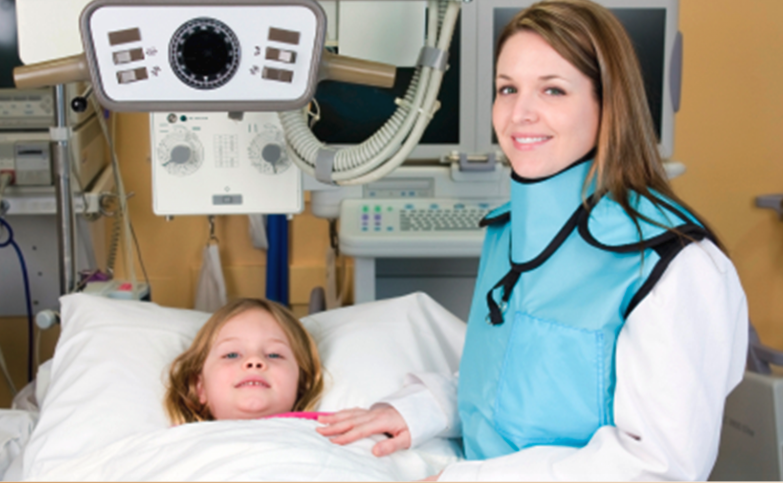
Developed by the UNC School of Medicine and hosted by the Pediatric Pandemic Network (PPN), this Pediatrics & Obstetrics Module Collection offers essential training for managing a wide range of emergencies—from pediatric trauma and respiratory distress to childbirth complications and poisoning. Pediatric and obstetric cases require specialized care. These modules provide a clear, evidence-based approach to assessment, diagnosis, and treatment, helping clinicians deliver safe, effective care in high-pressure situations. Explore the collection to build your knowledge and confidence in pediatric and obstetric emergencies—ensuring better outcomes for mothers and children when it matters most.
