Skip to navigation Skip to navigation Skip to search form Skip to login form Skip to main content Skip to accessibility options Skip to footer
Skip accessibility options
Text size
Line height
Text spacing
  • Learn is a product of the Pediatric Pandemic Network
  • PPN Home
  • PPN Resource Central
  • PPN Continuing Education
Pediatric Pandemic Network LearnPediatric Pandemic Network Learn
Log in to Pediatric Pandemic Network Learn
  • Learn is a product of the Pediatric Pandemic Network
    • Catalog
    • A-Z Index
    • Free Courseware Library
    • Pediatric Disaster Medicine
    • Caring for Children with Medical Complexities at Home
    • Behavioral Health in Disasters
    • Drills and Exercises
    • FAQs
    • About Learn
    • Work with Us
    • Contact Us
  • PPN Home
  • PPN Resource Central
  • PPN Continuing Education
Log in

Course Flood in a Costal Country: Preventive Medicine in Humanitarian Emergencies Simulation

  1. Home
  2. Catalog
  3. Pilot
  4. PPNS2026DSMN002

Blocks

Skip Overview

Overview

  • Overview
  • What You Will Learn
  • Course Available with CE
  • Chatbot Available
  • Acknowledgements

After unprecedented rainfall devastates a coastal region, entire communities are submerged, critical infrastructure has failed, and over 170,000 people are displaced across overcrowded shelters and remote rural areas. Clean water is scarce, sanitation systems have collapsed, and the risk of disease outbreaks is rising quickly. As part of a Ministry of Health rapid assessment team, you are deployed to evaluate the situation on the ground and determine what matters most when resources are limited and needs are overwhelming.

In this interactive case, you will navigate complex, real-world challenges faced in disaster settings, from identifying urgent public health threats to prioritizing interventions that can save lives. You will analyze evolving conditions, apply surveillance thinking, and make decisions that balance immediate response with longer-term population health needs. This experience is designed to mirror the uncertainty, urgency, and impact of working in disaster response.

This simulation is optimized for computer screens and mobile devices in landscape mode.

If you like the simulation and you want to share it with others, you can share the PPN Learn link or click embed at the bottom of the player and copy the embed code to add the simulation to any website.


What You Will Learn

By engaging with this interactive case you will:

  • Identify and prioritize the most critical health risks and needs of populations affected by large-scale disasters
  • Apply core public health assessment and surveillance principles in complex, resource-constrained environments
  • Determine and justify high-impact intervention strategies to reduce morbidity and mortality in displaced populations

This interactive case scenario is part of Module 2 of a 10 module course that offers a comprehensive and in-depth exploration of essential clinical topics in pediatric global health, with a particular emphasis on the unique challenges posed by natural and human-caused disasters.

Participants will engage with a broad range of critical subjects, including pediatric trauma care, disaster triage protocols, the epidemiology and management of infectious diseases in crisis settings, evidence-based approaches to diarrhea and dehydration treatment, toxicological emergencies, and other life-threatening conditions affecting children in humanitarian and disaster-response contexts.

Through a combination of expert-led instruction, case-based discussions, and scenario-based learning, this course equips healthcare professionals with the knowledge and skills necessary to optimize pediatric care in emergency situations worldwide.

Launch the course


Learn concepts through conversation.
Assess your knowledge.
Ask questions and get personalized responses.

Launch the Chatbot

Created by the

Center for Global Health, Colorado School of Public Health

This course is owned by the Center for Global Health, Colorado School of Public Health, and has been jointly created by the Center for Global Health, Colorado School of Public Health and the Maternal and Child Health Department of Maimonides University; both of which are WHO Collaborating Centers in Maternal and Child Health. The course materials were developed with input from the American Academy of Pediatrics (AAP), the Pan American Health Organization (PAHO), and the Association for Health Research & Development (ACINDES).

with Support from the

Pediatric Pandemic Network

pedspandemicnetwork.org

The Pediatric Pandemic Network is supported in part by the Health Resources and Services Administration (HRSA) of the U.S. Department of Health and Human Services (HHS) as part of cooperative agreements U1IMC43532 and U1IMC45814 with 0 percent financed with nongovernmental sources. The content presented here is that of the authors and does not necessarily represent the official views of, nor an endorsement by HRSA, HHS, or the U.S. Government. For more information, visit HRSA.gov.

Attribution-NonCommercial-NoDerivatives CC BY-NC-ND

You are free to download and share this work for noncommercial purposes, as long as you credit the Center for Global Health and the Pediatric Pandemic Network for the original creation.
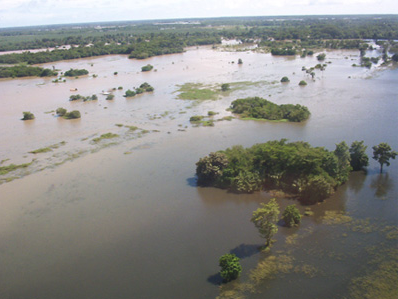
Interactive Case: Flood in a Costal Country

Completion requirements
 

Stay in touch with PPN.

Sign Up for Updates
  • About
  • Catalog
  • Contact
  • Resource Central
  • Continuing Education
  • Ask aRCie
  • PPN Home
  • Terms of Use
  • Privacy Statement
The Pediatric Pandemic Network is supported in part by the Health Resources and Services Administration (HRSA) of the U.S. Department of Health and Human Services (HHS) as part of cooperative agreements U1IMC43532 and U1IMC45814 with 0 percent financed with nongovernmental sources. The content presented here is that of the authors and does not necessarily represent the official views of, nor an endorsement by HRSA, HHS, or the U.S. Government. For more information, visit HRSA.gov.
Scroll to top