Pediatric Disaster Behavioral Health (PDBH) Toolbox
| Site: | Pediatric Pandemic Network Learn |
| Course: | Pediatric Disaster Behavioral Health (PDBH) Toolbox |
| Book: | Pediatric Disaster Behavioral Health (PDBH) Toolbox |
| Printed by: | Guest user |
| Date: | Saturday, October 10, 2026, 9:57 PM |
Table of contents
- 1. Letter of Acknowledgement
- 2. How to use this book
- 3. The Toolbox - Implementation & Tactical Resources
- 3.1. PDBH Resource Catalogue
- 3.2. Pediatric Disaster Behavioral Health (PDBH) Principles & Assumptions – Expanded Reference
- 3.3. Pediatric Disaster Behavioral Health (PDBH) – Operational Overview Table
- 3.4. PDBH - Potential Partnerships Table
- 3.5. Example PDBH Response & Recovery Objectives
- 3.6. Triage vs Screening vs Assessment in Disasters or Mass Casualty Incidents (MCIs)
- 3.7. PDBH C.A.R.E. Guidelines
- 3.8. Common Impacts and Reactions in Children to Disasters
- 3.9. Primer on Toxic Stress and Neurodevelopmental Considerations
- 3.10. Primer on Professional and Personal Wellness Considerations
- 3.11. Primer on Initiating a Hospital-Based Telepsychiatry Program
- 3.12. Disaster Behavioral Health Response Teams - Overview & Structures
- 3.13. CPT/HCPCS Coding Reference for Pediatric Disaster Behavioral Health
- 4. References
1. Letter of Acknowledgement
To the readers, contributors, and communities served by the Toolkit, The Pediatric Pandemic Network (PPN) is honored to share this Pediatric Disaster Behavioral Health Toolbox. It is the product of more than a year of collaborative work, drawing on the expertise of a broad-spectrum subject matter experts from across the pediatric disaster care ecosystem. We are grateful to every reviewer and contributor who lent time, judgment, and lived experience to its development.
We are equally grateful to the institutions and agencies that supported this effort. This work was funded by the Health Resources and Services Administration (HRSA), with foundational support from the Pediatric Pandemic Network’s member children’s hospitals and contributions from federal and state agencies, professional societies, academic institutions, and community-based organizations across the country. The Toolkit and Toolbox reflect the strength of these partnerships and the willingness of leaders across the field to meet a difficult subject with rigor and care.
The Toolkit and Toolbox do not stand alone. They are intended to complement, not replace, the substantial body of guidance already produced by the American Academy of Pediatrics, the National Child Traumatic Stress Network, the Substance Abuse and Mental Health Services Administration, the Centers for Disease Control and Prevention, the Federal Emergency Management Agency, the Emergency Medical Services for Children Innovation and Improvement Center, and many others. Where existing resources speak well to a question, we point to them. Where we believe a gap exists in pediatric- and disaster-specific implementation guidance, we have tried to fill it. We are indebted to the authors of every framework we have drawn from.
Most importantly, we acknowledge the children, adolescents, and families whose experiences make this work necessary. Behind every recommendation in these pages is a child who lived through a hurricane, a school shooting, a pandemic, a wildfire, a flood, or a displacement; a parent or caregiver who carried that child through it; and a clinician, teacher, or first responder who was present in the hardest moments. The PPN exists to serve them, and to ensure that when the next disaster comes, the children and families in its path are met by a health system that is ready, that is disaster-informed, and that recognizes pediatric mental and behavioral health as central to disaster response, not peripheral to it.
We invite you to engage with the Toolkit and Toolbox, to challenge and improve it, and to bring it to life in your institutions and communities.
With gratitude,
On behalf of the Pediatric Pandemic Network and the Mental & Behavioral Health Domain
Trevor Covington, MS, CEM - Lead Author and Mental & Behavioral Health Domain Manager
Christopher Gable, DO - Senior Author and Mental & Behavioral Health Domain Lead
1.1. Disclaimers & Acknowledgements
This Toolbox was developed by the Pediatric Pandemic Network’s (PPN) Mental & Behavioral Health Domain. Final version was completed August 2026. The Toolbox is developed for educational purposes only.
The Pediatric Pandemic Network is supported in part by the Health Resources and Services Administration (HRSA) of the U.S. Department of Health and Human Services (HHS) as part of cooperative agreements U1IMC43532 and U1IMC45814 with 0 percent financed with nongovernmental sources. The content presented here is that of the authors and does not necessarily represent the official views of, nor an endorsement by HRSA, HHS, or the U.S. Government. For more information, visit HRSA.gov.
This Toolbox includes recommended actions that agencies and jurisdictions may want to consider during incidents with pediatric disaster behavioral health impacts. These strategies are not prescriptive and thus should be considered and organized within the context of the incident, the organizations responding, and the existing emergency management structure and plans. Furthermore, these strategies are not a mandate, nor do they reflect a comprehensive list of all potential considerations related to pediatric disaster behavioral health. Finally, the information included in this toolkit is focused on disaster related impacts and is not designed to address everyday mental health emergencies.
With Support from the Pediatric Pandemic Network

The Pediatric Pandemic Network is supported in part by the Health Resources and Services Administration (HRSA) of the U.S. Department of Health and Human Services (HHS) as part of cooperative agreements U1IMC43532 and U1IMC45814 with 0 percent financed with nongovernmental sources. The content presented here is that of the authors and does not necessarily represent the official views of, nor an endorsement by HRSA, HHS, or the U.S. Government. For more information, visit HRSA.gov.
Attribution-NonCommercial-NoDerivatives CC BY-NC-ND
You are free to download and share this work for noncommercial purposes, as long as you credit the Center for Global Health and the Pediatric Pandemic Network for the original creation.
2. How to use this book
Welcome to this multimedia open access edition of the Pediatric Disaster Behavioral Health (PDBH) Toolkit
This content is available as a digital book in two formats:
1) Website, which you are currently reading. This format offers a mobile friendly multimedia experience with sharable links to chapters. There are three ways to move through the book:
a) Use the table of contents chapter navigation to the left to navigate to different chapters in the book. Scroll through the links to select the chapter that interests you.
b) Use the yellow arrows that appear when scrolling to select previous and next chapters.

c) Use the previous chapter and next chapter buttons at the bottom of very page to navigate through the book.

2) Printable, which you can save as a PDF and open without an Internet connection.
3. The Toolbox - Implementation & Tactical Resources

Overview
This Toolbox serves as a compendium of in-depth references, expanded information, resources, and tools to support pediatric disaster behavioral health (PDBH) preparedness, response, and recovery. In addition to a compilation of resources and references from a multitude of organizations, there are several appendices that provide extended guidance on how to implement the PDBH framework.
For the rest of the PDBH Toolkit, please see here.
Below is a list of each section of this Toolbox:
- PDBH Resource Catalogue
- PDBH Principles & Assumptions – Expanded Reference
- PDBH – Operational Overview Table
- PDBH – Potential Partnerships Table
- Example PDBH Response & Recovery Objectives
- Triage vs Screening vs Assessment in Disasters or Mass Casualty Incidents (MCIs)
- PDBH Care Guidelines
- Common Impacts and Reactions in Children to Disasters
- Primer on Toxic Stress and Neurodevelopmental Considerations
- Primer on Professional and Personal Wellness Considerations
- Primer on Initiating a Hospital-Based Telepsychiatry Program
- Disaster Behavioral Health Response Teams - Overview & Structures
- CPT/HCPCS Coding Reference for Pediatric Disaster Behavioral Health
3.1. PDBH Resource Catalogue
This table outlines all resources referenced in this Toolkit, in addition to others that may be helpful in fulfilling pediatric behavioral health needs during disaster preparedness, response, and recovery. It is organized by the associated theme/topic, when the resource may be useful in the disaster cycle, and the format of the resource. All resources are hyperlinked for ease of access.
All hazards
Chaplaincy
| Tool | When to Use? | Format |
|---|---|---|
| National VOAD - Disaster Spiritual Care Guidelines: Quick Guide, Full Guidelines | Response | Guide |
| National VOAD - A Guide for Spiritual Care in Times of Disaster | Response | Guide |
Community Level
Demobilization
| Tool | When to Use? | Format |
|---|---|---|
| SAMHSA: A Guide to Managing Stress for Disaster Responders and First Responders | Response | Guide |
Family
General
| Tool | When to Use? | Format |
|---|---|---|
| Pediatric Disaster Preparedness and Response Toolkit | Preparedness & Response | Toolkit |
| FEMA Developing and Maintaining Emergency Operations Plans | Preparedness & Response | Guide |
| Behavioral Health Resources and Recommendations | Preparedness & Response | List |
| The WA State Engagement of Behavioral Health Teams with Trevor Covington, Tona McGuire, Kira Mauseth, & Mary Beth Brown (5 of 8) | Preparedness & Response | Video |
| Pediatric Disaster Response and Emergency Preparedness Training | Preparedness & Response | Training |
| Curriculum Recommendations for Disaster Health Professionals - Disaster Behavioral Health | ||
| SAMHSA TAP 34: Disaster Planning Handbook for Behavioral Health Service Programs | Preparedness | Guide |
Just in Time
| Tool | When to Use? | Format |
|---|---|---|
| 988 | Response | Service |
| SAMHSA Disaster Distress Helpline (1-800-985-5990) | Response | Service |
| SAMHSA Disaster Mobile App | Response | App |
| Minnesota Module on Psychological First Aid | Response | Training |
Operations
Resilience
| Tool | When to Use? | Format |
|---|---|---|
| National Plan for Health Workforce Well-Being | Day to Day Readiness | Program |
| Resiliency and Justice Center | Recovery | Program |
| Anticipate. Plan. Deter. | Recovery | Program |
| Pause-Reset-Nourish (PRN) to Promote Wellbeing: Tools to Support the Mental Health of Responders | Recovery | Toolkit |
| Supporting Children and Family Survivors of Military Line-of-Duty Deaths | Recovery | Guide |
Screening and Treatment
Situational Awareness
| Tool | When to Use? | Format |
|---|---|---|
| ASPR Disaster Behavioral Health Capacity Assessment Tool | Preparedness | Checklist |
| Monitoring and Surveillance of Behavioral Health in the Context of Public Health Emergencies | Preparedness | Toolkit |
Treatment
3.2. Pediatric Disaster Behavioral Health (PDBH) Principles & Assumptions – Expanded Reference

This expanded table outlines principles and assumptions that enable effective pediatric disaster behavioral health across preparedness, response, and recovery. It lists major assumptions and the corresponding principle(s) that guide planning and decision making. All recommendations in this Toolkit should be applied within the context of these assumptions and principles.
The material below is not a comprehensive review of pediatric disaster behavioral health literature. It draws on frequent observations of deployed disaster behavioral health teams and on emerging research. For more details, see the linked materials and references.
| PDBH Planning Assumption | Associated Principle for Preparedness, Response, Recovery |
|---|---|
Key Characteristics of Behavioral Health Impacts
|
|
|
|
|
|
Resource Gaps & Prioritization: Behavioral health services are chronically under-resourced in many communities and this gap will only grow (often dramatically) after a disaster.
|
|
Service Continuum: Availability of a range of supports and interventions is critical to meet everyone’s needs, including both those who need limited support to maintain a positive trajectory and those who need more intensive supports.
|
|
| Intervention Timeliness: Timely intervention can influence effectiveness of various interventions to reduce the rates/likelihood of developing new and/or more severe behavioral health disorders. |
|
| Lack of Readiness: Behavioral health response and recovery is very often an underdeveloped and under-exercised function for the majority of preparedness and response entities within the U.S. |
|
Integration of Behavioral Health Into Response: Behavioral health response and coordination efforts will be ineffective if they are not integrated across all response functions (general and specific) and aligned to serve both the community and the overall response effort.
|
|
| Adaptation of Response to Community: Behavioral health response must adapt to the needs of the community in organization, communication, and execution or it will be ignored by the community or even actively resisted. |
|
3.3. Pediatric Disaster Behavioral Health (PDBH) – Operational Overview Table
Overview: This table serves as an expanded reference to support the operational implementation of the Pediatric Disaster Behavioral Health Framework. It outlines each PDBH goal, the broad response/recovery functions to support each goal, and the strategies, considerations, models, and tools to consider when implementing each function. In addition to providing recommendations and considerations, each section is embedded with links to examples and tools to support each function. “Functions” in this context refers to the grouping of structures, strategies, processes, resources, and personnel working to achieve a specific PDBH goal.
For additional references, tools, and examples, please see the Toolbox Overview at the start of the appendix section. For examples and recommendations on how to structure these efforts within response and recovery systems, please see the ICS & HICS Integration section.
PDBH Goals and Associated Functions
| PDBH Goal & Associated PDBH Function | Key Considerations |
|---|---|
|
PDBH Goal: Assess Impacts, Capacity, & Gaps Identify, characterize, and assess both the behavioral health impacts of an incident and the capacity of a children’s hospital-led response to provide care – both initially and over time. PDBH Function: Situational Awareness This function provides the means to capture, understand, and thus respond to the behavioral health impacts from a disaster. The primary objective of this function is to identify the initial and potential behavioral health impacts from an incident, monitor those impacts over time, identify existing/reduced/added capacity for care within the community, and identify gaps for response and recovery actions. Critically, this function disseminates this information to the disaster behavioral health and broader response efforts (including external partners) to inform response and recovery actions over time. All other PDBH functions should be informed, both initially and over time, by what this function identifies in terms of estimated impacts and available services. |
Primary Components:
Implementation Notes:
|
|
PDBH Goal: Right Supports, Right Time Mitigate behavioral health impacts by providing the right level of support, at the right time, to both youth and responding personnel, and facilitate a transition to resilience for the community during recovery. PDBH Function: Care This function focuses on providing timely access to effective behavioral health care during disasters for survivors, responders, and the community. Specifically, this function involves removing/reducing barriers to behavioral health care (policy, regulatory, legal, telehealth, etc.), increasing capacity by providing additional services (crisis lines/community expansions/initiatives), and prioritizing/triaging existing resources to achieve the most good for the most kids. This requires early action to identify, prioritize, and address psychological needs. The strategies taken, levels of support, and specific interventions should be informed by information gathered by the PDBH Situational Awareness Function. |
Primary Components:
Implementation Notes:
|
|
PDBH Goal: Educate Community, Inform Response Provide education and facilitate a “behavioral health-informed response” by providing subject matter expertise and resources to the impacted community, response staff and leadership, and relevant response functions PDBH Function: Education & Technical Assistance This function focuses on ensuring that the community, community leaders, and response/recovery efforts are informed with key disaster behavioral health concepts and resources. Specifically, this involves key disaster behavioral health subject matter experts providing technical assistance, training and presentations, and developing resources to empower disaster behavioral health informed strategies. This function will collaborate heavily with internal partners such as operational groups (e.g., behavioral health considerations for isolation/quarantine) and public communications (e.g., development of behavioral health messaging, informing other messages with behavioral health considerations), or with external groups such as Unified Command groups or governmental leadership (e.g., briefing on “key things to know” about behavioral health impacts from this incident). Intended audiences, public communication strategies, and needed educational resources should be informed by the PDBH Situational Awareness Function. |
Primary Components:
Implementation notes:
|
|
PDBH Goal: Coordinate Internally & Externally Coordinate children’s hospital-led, behavioral health response and recovery activities across all engaged entities to develop a unified response for the impacted community, reduce duplication of services and unmet needs, and remove silos to improve access to behavioral health care and supports. PDBH Function: Coordination This includes all activities taken to plan and coordinate disaster behavioral health response and recovery internally and externally. This may be achieved through formal systems, such as ICS/HICS or Emergency Support Functions (e.g., ESF#8), or through informal systems based on the incident and readiness of the impacted community. This is often the function of emergency management within the context of disaster behavioral health. This function should both share information gathered by the PDBH Situational Awareness Function with internal and external partners as appropriate, while also providing information shared by partners to the rest of the PDBH response/recovery operation. |
Primary Components:
Implementation notes:
|
3.4. PDBH - Potential Partnerships Table

Within the table below are the various organizations, what objectives/functions of the framework they may be able to support, and brief notes on the organization’s potential role and capabilities to support pediatric behavioral health needs.
Organizational roles and local emergency plan structures vary from community to community. As such, exploring and understanding the local plan structure and organizational capabilities is critical to ensure readiness to effectively respond and recover.
Framework connections – what each connection indicates the partner may be able to offer:
- PDBH Situational Awareness – Sharing and gathering of data/information related to pediatric disaster behavioral health impacts, capacity, needs, and other essential information.
- PDBH Care – May be engaged in delivery or coordinate of disaster behavioral health care, either by existing or new programs, and thus a potential partner to coordinate with for service delivery.
- PDBH Education & Technical Assistance – Opportunity to share subject matter expertise (SME) to assist with their response/recovery efforts, or, to distribute educational resources. Additionally, may serve as a partner who can provide SME to your organization.
- PDBH Coordination – Connection to broader response or recovery efforts that may benefit from a connection and collaboration with pediatric disaster behavioral health functions, teams, or coalitions.
Disaster Preparedness/Response/Recovery Structures, Coalitions
| Framework Connections |
|
|---|---|
| Potential Role/Capabilities |
|
| Framework Connections |
|
|---|---|
| Potential Role/Capabilities |
|
| Framework Connections |
|
|---|---|
| Potential Role/Capabilities |
|
| Framework Connections |
|
|---|---|
| Potential Role/Capabilities |
|
| Framework Connections |
|
|---|---|
| Potential Role/Capabilities |
|
| Framework Connections |
|
|---|---|
| Potential Role/Capabilities |
|
Government Partners
| Framework Connections |
|
|---|---|
| Potential Role/Capabilities |
|
| Framework Connections |
|
|---|---|
| Potential Role/Capabilities |
|
| Framework Connections |
|
|---|---|
| Potential Role/Capabilities |
|
| Framework Connections |
|
|---|---|
| Potential Role/Capabilities |
|
| Framework Connections |
|
|---|---|
| Potential Role/Capabilities |
|
| Framework Connections |
|
|---|---|
| Potential Role/Capabilities |
|
| Framework Connections |
|
|---|---|
| Potential Role/Capabilities |
|
*Specific roles, responsibilities, and capabilities likely to vary based jurisdiction
EG: Departments may be combined in some areas or may have different roles
Community Connections
| Framework Connections |
|
|---|---|
| Potential Role/Capabilities |
|
| Note | Some are private, some are public. |
| Framework Connections |
|
|---|---|
| Potential Role/Capabilities |
|
| Framework Connections |
|
|---|---|
| Potential Role/Capabilities |
|
| Framework Connections |
|
|---|---|
| Potential Role/Capabilities |
|
| Framework Connections |
|
|---|---|
| Potential Role/Capabilities |
|
| Framework Connections |
|
|---|---|
| Potential Role/Capabilities |
|
| Framework Connections |
|
|---|---|
| Potential Role/Capabilities |
|
| Framework Connections |
|
|---|---|
| Potential Role/Capabilities |
|
| Framework Connections |
|
|---|---|
| Potential Role/Capabilities |
|
| Framework Connections |
|
|---|---|
| Potential Role/Capabilities |
|
| Framework Connections |
|
|---|---|
| Potential Role/Capabilities |
|
| Framework Connections |
|
|---|---|
| Potential Role/Capabilities |
|
3.5. Example PDBH Response & Recovery Objectives
Document Purpose:
This document serves as a reference for potential Pediatric Disaster Behavioral Health (PDBH) objectives for response and recovery operations. It is not comprehensive and not all objectives will fit all communities and incidents.
How to use:
- Refer to the overall PDBH Framework Goals, as shared below. These goals provide the context for all example objectives provided.
- Consider how these objectives could be modified to meet the needs of your community for this particular incident. Where possible, convert to SMART objectives.
- Reference the PDBH Operational Overview Table for detailed implementation guidance, tools, and resources to support each objective.
- Throughout the incident:
- Continually update service delivery plan(s) based on information shared from the PDBH Situational Awareness function.
- Adjust to the changing environment and needs by preparing for expected transitions: Initial Response → Short-term Recovery → Long-term Recovery → New Steady State (end of response). See the Phase-Based section of this Toolkit for further information.
PDBH Framework Goals
PDBH Goal: Assess Impacts, Capacity, & Gaps
Identify, characterize, and assess both the behavioral health impacts of an incident and the capacity of a children’s hospital-led response to provide care – both initially and over time.
PDBH Goal: Right Supports, Right Time
Mitigate behavioral health impacts by providing the right level of support, at the right time, to both youth and responding personnel, and facilitate a transition to resilience for the community during recovery.
PDBH Goal: Educate Community, Inform Response
Provide education and facilitate a “behavioral health-informed response” by providing subject matter expertise and resources to the impacted community, response staff and leadership, and relevant response functions.
PDBH Goal: Coordinate, Internally & Externally
Coordinate a children’s hospital-led, behavioral health response and recovery activities across all engaged entities to develop a unified response for the impacted community, reduce duplication of services and unmet needs, and remove silos to improve access to behavioral health care and supports.
Example Response & Recovery Objectives
PDBH Situational Awareness:
- Identify and characterize the expected pediatric disaster behavioral health (PDBH) impacts from the incident using PDBH Essential Elements of Information (EEIs).
- For examples of these EEIs, see the PDBH Operational Overview Table.
- Example outputs include things such as Pediatric Disaster Behavioral Health Situational Report or Impact Forecasts.
- Identify and characterize any expected impacts to existing pediatric behavioral health services capacity, including reduction in capacity from incident impacts in additional to capacity from any new disaster related services.
- Identify and assess any gaps between estimated PDBH impacts and available services to meet those needs (gap assessment).
- Throughout the incident:
- Share this information with internal and external response partners, as appropriate. Tailor communications to the needs of each audience while considering potential access and language needs.
- Continue to update this information throughout the incident, based on operational tempo of the hazard, rate of change in the incident, and operational needs from the PDBH or broader response effort.
PDBH Care:
- Develop a PDBH “continuum of care” based on available services within the community to meet the broad spectrum of potential needs from this incident, including those of survivors, their families, and responding staff.
- Based on estimations and assessments from the PDBH situational awareness data, develop a service delivery plan in coordination with community partners to meet the estimated demand for services.
- Where gaps exist in capacity to provide care, explore and implement strategies to expand PDBH care including:
- Reducing barriers to care (policy, regulatory, legal, and other actions)
- Expand capacity to provide care (such as increased just-in-time-training, volunteer recruit and staffing expansion, telehealth, stepped care approaches, or programs such as FEMA’s Crisis Counseling Program)
- Effectively utilize limited resources through disaster behavioral health surge management (triage and prioritization of limited resources to those in greatest need, load-leveling and interagency case coordination).
- Prepare for transitions, both individually and programmatically, from any services that may end with response and recovery efforts to ongoing community services/programs.
PDBH Education & Technical Assistance:
- Based on impact estimates and characterization, identify survivor, community, and responder educational and technical assistance needs.
- Collect, collate, and distribute resource, educational, and technical assistance offerings to the broader response/recovery effort and key community partners.
- Support “pediatric behavioral health-informed” communication and public information efforts by providing technical expertise and resources.
- Identify specific, high priority opportunities to collaborate with the broader response/recovery effort, both internally and externally, and potential technical assistance needs.
PDBH Coordination:
- Develop overall operational approach, including objectives and strategies, for PDBH team and secure needed staffing, resources, and leadership support to achieve identified objectives.
- Establish internal PDBH team processes to share information, collaborate, and coordinate response and recovery activities.
- For example, identify how information is shared between each function to inform the immediate and future actions of the team
- Establish connection and integrate into existing process for organizational response efforts such as Hospital Incident Command System (HICS).
- See the HICS Integration Section of this Toolkit for additional details
- Identify key external organizations to communicate, collaborate, and coordinate with in support of PDBH objectives. Collaborate with existing response structure and processes to conduct outreach and engage key external organizations.
- For more information about these groups, see the PDBH Potential Partnerships table.
3.6. Triage vs Screening vs Assessment in Disasters or Mass Casualty Incidents (MCIs)
In a disaster surge, it is essential to understand the rationale, and the practical and clinical differences amongst triage, screening, and assessment. Time required to complete the task is often a critical factor, and patient surge can be overwhelming. As such, it is important to quickly, efficiently, and accurately sort and clarify which patients need what level of support, and who needs further evaluation and treatment. This appendix sheet was developed to clarify the differences between these three processes (triage, screening, & assessment) and inform providers and planners about what timing and conditions are most appropriate for each.
| TRIAGE (e.g., PsySTART, ASC-Kids)22,82 | |
|---|---|
| What it is / What it does | Rapid identification of risk that is exposure-based and non-symptom focused. |
| When you use it | Often brief (less than 2 mins) and used in first hours to up to 45 days post-impact to identify new individual PTSD risk, and to allocate broader population care priorities based on objective risk factors. |
| Other Considerations | High sensitivity for predicting future pathology, primarily PTSD and depression, and can be conducted by trained, non-licensed staff or others. |
| SCREENING (e.g., CPSS-583 or CAT584 ) | |
|---|---|
| What it is / What it does | Standardized measures of current symptoms or risk indicators suggesting a diagnosis and used in secondary evaluation. |
| When you use it | Brief (5-15 mins) and ideally used 40 days+ post-event for further stratification of an affected population. |
| Other Considerations | Screening instruments are often related to a specific diagnosis and are designed to pick up currently expressed symptoms such as a “depression screener”, a “suicide screener”, or a “PTSD screener.” They are less useful in the first 30-40 days post event because they pick up normative distress and likely miss those who are numb and avoidant. Suicide screeners are the exception and can be used any time there is a safety concern or may be used for all children starting at a certain age threshold in acute care settings. These are usually administered by a clinician. |
| ASSESSMENT (e.g., UCLA PTSD-RI85 , structured diagnostic interview) | |
|---|---|
| What it is / What it does | Comprehensive clinical evaluation to establish diagnoses, degree of functional impairment, and treatment planning in later stages of care. |
| When you use it | Often takes 30 mins to several hours; Can be conducted any time 40 days+ post event. |
| Other Considerations | Requires a licensed clinical professional or psychometrist under supervision. |
Key things to know regarding patient surge that can impact planning for population level evaluation of behavioral health needs in a community:
- Behavioral Health surge following a large-scale event can occur across phases of recovery from impact to rebuilding / resilience
- Impacts will likely be apparent immediately after the event, but also weeks to months later in the disaster cycle, when resources are further reduced and providers are exhausted86 .
- Disasters generate large population impacts with variable exposure levels.
- Not all of those impacted will need formal behavioral health care, but many may benefit from additional basic support.
- Longitudinal studies show multiple typical symptom trajectories. These include the following:
- resilient/recovery(may experience distress but recover quickly to baseline)
- chronic (symptoms of distress and impact on function persist over time.
- delayed (initial recovery from distress symptoms and then re-appearance)
- A tiered approach is essential to effectively orient care resources to the right families and individuals. Identification of a variety of risks, and subsequent support and intervention should be considered within a comprehensive and “tiered” approach87,88
- Evidence supports population-based triage approaches that stratify individuals into risk categories to guide proportional intervention as soon as possible following the impact from an event.
- Research demonstrates that exposure characteristics, prior trauma history, loss, perceived life threat, and caregiver distress are more predictive of PTSD development than acute distress alone89,90
- Consequently, contemporary models prioritize exposure-based risk indicators91-94 ;
- Screening may need to be repeated
- Because some children worsen after the acute phase (typically from 30-45 day post-impact), a one-time screen can miss later-emerging cases — scheduled re-screening (for example at 1, 3, and 6 months) is recommended as part of triage pathways82 .
Triage, Screening and Assessment should be planned for and may be delivered in “tiered” approach that includes resource-based universal support as outlined below.
Step 1: Risk / Exposure Based Triage to determine individual and population needs
- Key Characteristics: Brief (less than 5 mins); Offered to all as resources allow, based on proximity to event and exposure to scenes of the event itself and can be conducted by a trained volunteer (does not require a medical professional).
- Timing: Can be offered immediately after an event, and days to weeks following the event.
- Example(s): Risk exposure-driven systems such as PsySTART; specific behavioral health triage frameworks for emergency department settings such as the Australian Mental Health Triage Scale95 .
Step 2: Universal Support, Dependent on resource capacity
- Key Characteristics: Brief (10-20 mins); Offered to all as resources allow, and appropriate for all; can be conducted by a trained volunteer (does not require a medical professional)
- Timing: Can be offered immediately following an event, and hours to days following the event
- Examples: Psychological First Aid96,97
Step 3: Targeted Screening and Referral for Additional Assessment as Indicated
- Key Characteristics: Brief (less than 20 mins) standardized measures or instruments; Offered to those who receive positive triage based on exposure, and / or those who are expressing symptoms more than 30+ days after an event.
- Timing: Should be offered weeks to months after an event (30-45 days+).
- Example(s): The Child PTSD Symptom Scale for DSM-V (CPSS5), Child and Asolescent Trauma Screen (CATS-2)98,99
- Use CPSS-5 for detailed, in-depth evaluation of PTSD symptom severity and functional impairment in children aged 8-18.
- Use CATS-2 for a faster, broader screening tool that covers both DSM-5 and ICD-11 criteria.
Step 4: Comprehensive Assessment
- Key Characteristics: Lengthy standardized measures or instruments to assist Diagnostic evaluation and individualized treatment planning101 Offered to those who receive positive screenings and / or those who are expressing symptoms more than 30+ days after an event.
- Timing: Should be offered weeks to months after an event (30-45 days+).
- Example(s): Diagnostic Interviews, Functional Impairment assessments (e.g., the Vineland BASC102)
The stepped model aligns with global mental health guidelines recommending proportional, tiered response systems in humanitarian emergencies103 .
Please see Table 1 for examples of risks indicators, their association with PTSD, and the accompanying supporting evidence-base.
Table 1. Pediatric PTSD Risk Factors Incorporated in Exposure-Based Triage Models
| Risk Domain | Specific Pediatric Risk Indicator | Empirical Association With PTSD |
|---|---|---|
| Objective Trauma Exposure | Physical injury to child | Strong predictor of chronic PTSD86,89 |
| Witnessing death or severe injury | Strong predictor86,89 | |
| Perceived life threat | Moderate–strong predictor86,90 | |
| Home destruction/displacement | Moderate predictor86,90 | |
| Interpersonal Factors | Separation from caregiver during disaster | Strong predictor (especially <12 yrs)90 |
| Caregiver acute distress/PTSD | Strong predictor via modeling pathway89,104 | |
| Prior Vulnerability | Previous trauma exposure | Moderate predictor (cumulative risk effect)89,105 |
| Preexisting anxiety/depression | Moderate predictor106 | |
| Contextual Stressors | Ongoing displacement | Moderate predictor of chronicity90,105 |
| Loss of social support | Moderate predictor106 |
Table 2. Pediatric Outcomes Identified Through Exposure-Based Triage in Acute Care Settings
| Pediatric Trauma ED Pilot | |
|---|---|
| Age Range | 10–17 years |
| Identified as High Risk | Approximately 30–40% |
| Primary Outcome Triggered | Automated mental health consult |
| Follow-Up Outcome | Increased early specialty referral. |
| Disaster Shelter Screening (Superstorm Sandy Subset Youth Contacts) | |
|---|---|
| Age Range | Children & adolescents |
| Identified as High Risk | Variable by exposure cluster |
| Primary Outcome Triggered | Risk stratification for follow-up outreach |
| Follow-Up Outcome | Geographic risk clustering independent of infrastructure damage.107 |
| School-Based Disaster Implementation | |
|---|---|
| Age Range | 6–18 years |
| Identified as High Risk | 15–35% elevated exposure risk |
| Primary Outcome Triggered | Tier 2 intervention referral |
| Follow-Up Outcome | Reduced persistent PTSD symptoms when early intervention was applied.90,108 |
Additional Reading
- de Bildt, A., Kraijer, D., Sytema, S. et al. The Psychometric Properties of the Vineland Adaptive Behavior Scales in Children and Adolescents with Mental Retardation. J Autism Dev Disord 35, 53–62 (2005). https://doi.org/10.1007/s10803-004-1033-7
- Dückers, Michel L.A. PhD; Stroebe, Margaret S. PhD; Baliatsas, Christos PhD; Spreeuwenberg, Peter MSc; Brüning, Annelie MSc; Stroebe, Katherine E. PhD. The Long-Term Mental Health Impact of Disasters: A Systematic Review and Multilevel Meta-Analysis of Longitudinal Epidemiological Studies. Harvard Review of Psychiatry 34(2):p 59-72, March/April 2026. | DOI: 10.1097/HRP.0000000000000450
- Hoffmann, J. A., Denicolo, K., Cobb, P., Farley, K., Brown, M., Pergjika, A., Janssen, A., Cory, D., Alpern, E. R., Grupp-Phelan, J., & Foster, A. A. (2026). Interrater reliability in the triage of children with mental and behavioral health symptoms using two triage systems. Journal of Emergency Nursing. https://doi.org/10.1016/j.jen.2025.11.019
- Meiser-Stedman, R., McKinnon, A., Dixon, C., Boyle, A., Smith, P., & Dalgleish, T. (2017). Acute stress disorder and the transition to posttraumatic stress disorder in children and adolescents: Prevalence, course, prognosis, diagnostic suitability, and risk markers. Depression and Anxiety, 34(4), 348–355. https://doi.org/10.1002/da.22602
- Newnham, E., et al (2022). Long term mental health trajectories after disasters and pandemics: A multilingual systematic review of prevalence, risk and protective factors. Clinical Psychology Review, Volume 97,102203,ISSN 0272-7358, https://doi.org/10.1016/j.cpr.2022.102203
- Norris, F.H., Stevens, S.P., Pfefferbaum, B., Wyche, K.F. and Pfefferbaum, R.L. (2008), Community Resilience as a Metaphor, Theory, Set of Capacities, and Strategy for Disaster Readiness. American Journal of Community Psychology, 41: 127-150. https://doi.org/10.1007/s10464-007-9156-6
- Perrin, S., Meiser-Stedman, R., & Smith, P. (2005). The Children’s Revised Impact of Event Scale (CRIES): Validity as a screening instrument for PTSD. Behavioural and Cognitive Psychotherapy, 33(4), 487–498. https://doi.org/10.1017/S1352465805002419
- Pfefferbaum, B., Jacobs, A. K., & Schreiber, M. D. (2020). Stepped-care mental health triage, screening, and referral for children in shelters. Disaster Medicine and Public Health Preparedness, 14(3), 371–376. https://doi.org/10.1017/dmp.2019.107
- Sachdev, N., et al. (2021). Child and Adolescent Trauma Screen (CATS): Psychometric review and clinical applications. European Journal of Psychotraumatology, 12(1). https://doi.org/10.1080/20008198.2021.1882988
- Schreiber, M. D., Yin, R., Omaish, M., & Broderick, J. E. (2014). PsySTART rapid mental health triage following Superstorm Sandy. Disaster Medicine and Public Health Preparedness, 8(6), 493–498. https://doi.org/10.1017/dmp.2014.128
- Steinberg, A. M., Brymer, M. J., Decker, K., & Pynoos, R. S. (2013). The UCLA PTSD Reaction Index for DSM-5. Current Psychiatry Reports, 15, Article 393. https://doi.org/10.1007/s11920-013-0393-3
3.7. PDBH C.A.R.E. Guidelines
Clinical Assessment of Resources in Emergencies
PURPOSE OF CARE GUIDELINES: To help emergency managers, disaster behavioral health leads, and incident commanders assess and distribute clinical behavioral health resources during and after a large-scale disaster or emergency.
For the rest of the PDBH Toolkit, please see here.
Below you will find an overview of the proposed process, action items, guidelines, and examples of how to apply the process.
ONGOING ACTION ITEM:
- Consistently re-evaluate needs and resources based on the rate of change of the current incident and the amount of time that has passed post-impact. If possible, and as early as is practical in response (or part of your pre-disaster planning) gather a cadre of subject matter experts in disaster behavioral health who can help inform next steps and interpret data and provide recommendations on messaging and clinical needs. See the Phase-based Recommendations section of this toolkit for more information.
STEPS IN THE PROCESS FOR ESTABLISHING CLINICAL RESPONSE PRIORITIES:
- Begin with establishing existing base / prevalence rates in the geographic area effected by the disaster or crisis event. This will help identify and graph the anticipated gaps between needs and available resources. Using a variety of data sources tailored to each site or community where services will be provided, it is possible to estimate the baseline number and percentage of children and youth with mental health diagnoses, such as anxiety and depression. In addition, collect information on the number and type of mental health providers in the impacted area.
- Review the PDBH Operational Overview Table, specifically the overview of the PDBH Situational Awareness function, for detailed recommendations on these strategies and supporting references.
- Collect data on disaster specific behavioral health needs to inform the potential demands generated by the disaster. Using some, all, or any combination of available data sources and metrics. See Figure 14 below for an example of data sources and types.
- Review the PDBH Operational Overview Table, specifically the overview of the PDBH Situational Awareness function, for detailed recommendations on these strategies and supporting references.
- Establish a “living” document to track available resources that can be updated in real time as both individual and systemic supports change over time.
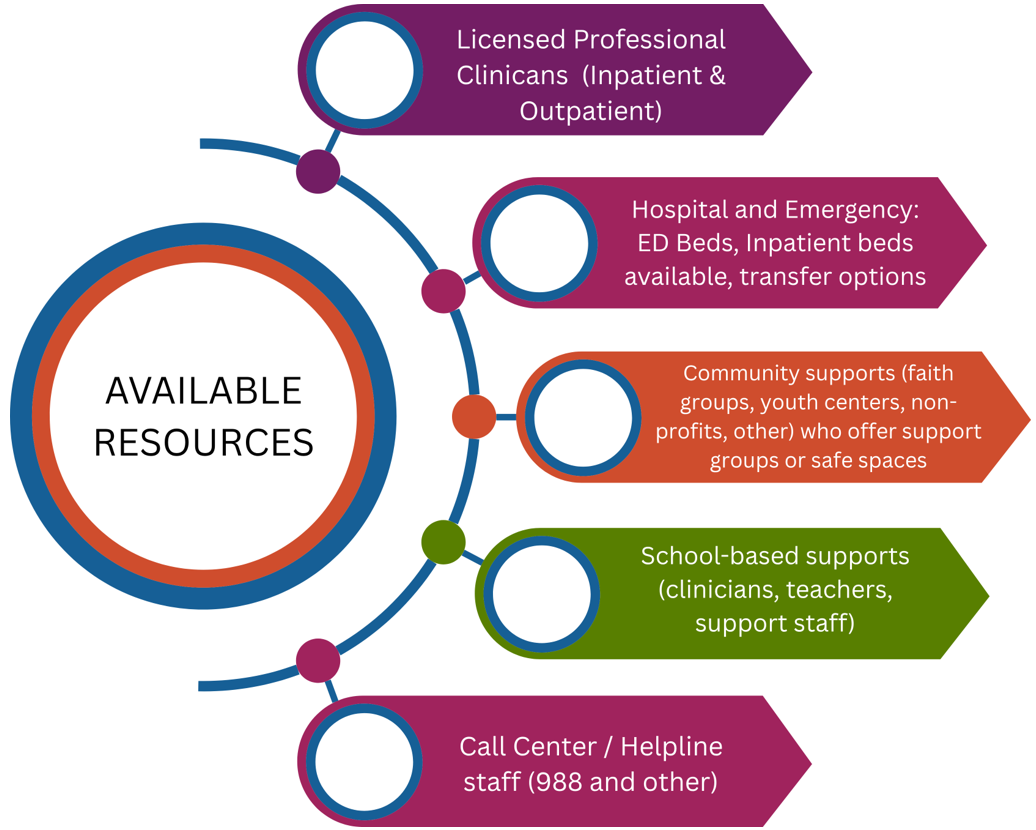
- Available resources should be considered on a spectrum based on the population needs triangle (Figure 15 below) and can include the examples identified in Figure 17. Resources for response and recovery include things such as professional clinicians in the area who are trained in TF-CBT, management of acute stress, PTSD, or other trauma related specialties (EMDR), as well as community or culturally based options for support.
- Please see Figure 16 for examples of how assessment data may be interpreted to inform the general number of patients in need of care. Please keep in mind that base-rate data is essential to have prior to the interpretation of any change related to prevalence of behavioral health disorder or diagnosis.
- Implement strategies to reduce barriers to care, expand capacity to provide care, or more effectively utilize existing resources (surge management.) Prioritize services that meet significant gaps based on assessments. Review the PDBH Operational Overview Table, specifically the overview of the PDBH Care function, for detailed recommendations on these strategies and supporting references.
FIGURE 14 : EXAMPLES OF ASSESSMENT OF DISASTER SPECIFIC NEEDS.
This chart includes some of the potential sources of data that can inform the clinical well-being within a population. This is not an exhaustive list. Unconventional data sources may become particularly useful as indicators of special or at-risk populations.
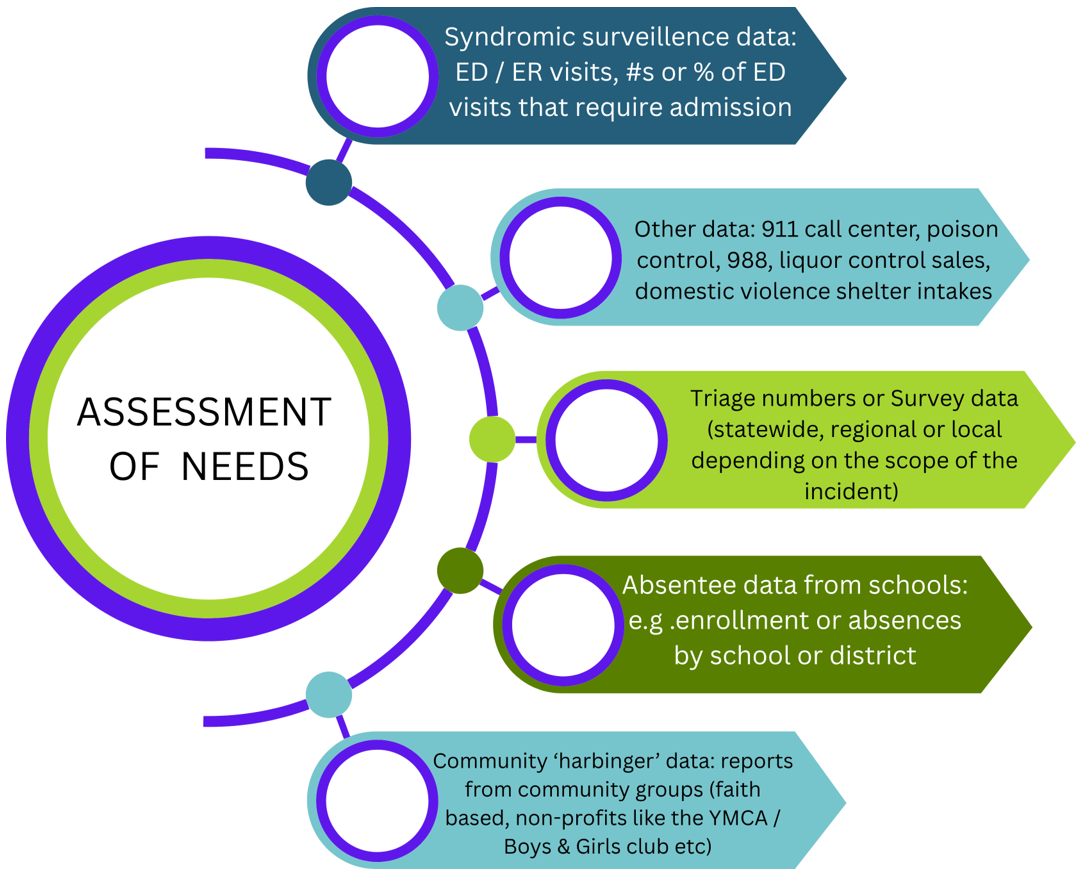
FIGURE 15: POPULATION BASED CONTINUUM OF RISK AND RESILIENCE
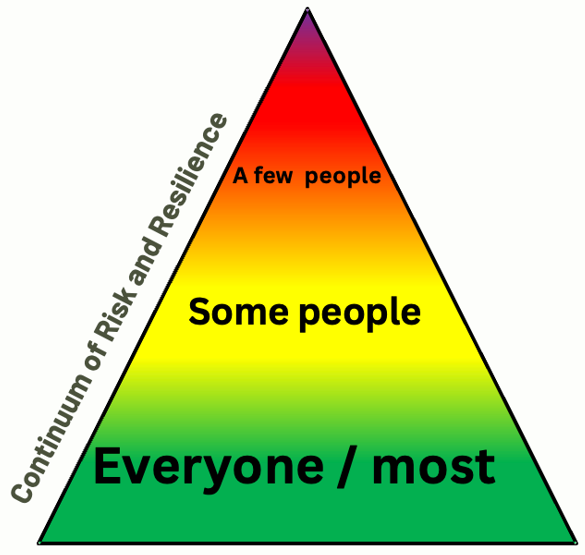
FIGURE 16: EXAMPLES OF DATA SOURCES AND CLINICAL INDICATIONS OR SUGGESTIONS
| Examples of data and clinical indications | |
|---|---|
| Poison Control Data | Dramtic increases in call volumne in a short time can indicate a spike in accuity for a particular sub population (such as age) based on intentional or unintentional ingestion. |
| Youth arrests or booking into criminal justice system | Can indicate behavioral disruption, mental health symotom acuity, lack of parental and caregiver oversight and support or availability. |
| Survey / Pulse data | Indicates population level changes in prevalence rates for depression, anxiety and both tor adults 18+ in specific geographic areas |
| Liquor control board and tax sates data | Can indicate increases in baseline substance use (legal and illegal) |
| School absenteesim | Could indicate that there are mental health, socio-economic or family/ domestic issues that are preventing children and youth from attending school. |
FIGURE 17: AVAILABLE BEHAVIORAL HEALTH RESOURCE EXAMPLES
ADDITIONAL GUIDELINES
- Typically, local resources are immediately overwhelmed and will not be sufficient on their own for an effective long-term, large-scale recovery. The need to “bring in” external supports through response procedures is something that needs to be handled carefully and with respect for local processes, expertise, and experience.
- Behavioral health support is best when it comes from WITHIN an impacted community; people typically prefer to get help from others who know what things are like in their area, speak the same language (literally and metaphorically), and share cultural experiences or local understanding.
- Consider the addition of Just-In-Time (JIT) training for local clinicians or volunteers who don’t have a background in disaster behavioral health.
- New trainees should be informed about a) management of behavioral health ‘surge’, including altered implementation practices, b) the shift from individual to population level interventions, and c) crisis care standards.
- It is important when leveraging external resources that they do so with respect to local traditions, experts and norms, and that recommendations for support are appropriately tailored so as to be useful in the specific area (i.e. not suggesting telehealth when internet access is unavailable or inaccessible due to economic considerations; conversely, suggesting telehealth to increase access for rural communities when internet access is available).
- Traditional and cultural healing methods are recommended for inclusion by the APA and should not be excluded from response protocols.
- “Harbingers” of community mental health may come from unexpected sources. Listen to YMCA (or other nonprofit) staff, sports coaches and extracurricular leaders who have a strong sense of what is happening day-to-day with children in their community. They are often the first who can signal when needs shift or resources may be needed.
- Please see Phase-based Recommendations section for more information on need cadence and changes over time relative to phases of recovery.
EXAMPLE of CARE Process using steps outlined above
- Step 1: Establish base-rate data around the incident. What are the total numbers of clinicians available, and prevalence rates within the impacted population for things like depression, anxiety, and PTSD? How many children (and adults) are in close proximity to the event / incident?
- Step 2: Use psychological triage (e.g., PsySTART Victim Pediatric and Adult) to identify individual mental health risks among patients, families, and staff, and to estimate demand for services, then compare that demand against internal and community-based resources to identify gaps.
- Step 3: Using data from triage, conduct an initial projection of likely mental/behavioral health impacts among their patients, families, and staff (adult and pediatric), and evaluate these against known internal and referral capacity to identify gaps.
- Step 3 continued: Map available mental health resources (internal and external) along a continuum of care – from brief, low-intensity interventions to higher-acuity services – and align this with the facility’s role and community context.
- Step 3 continued: Consider both individual- and population-level strategies, such as: Trauma-Focused Cognitive Behavioral Therapy (TF-CBT) for children and youth identified as at risk for new mental health disorders (e.g., PTSD), particularly delivered in “stepped” format to increase access to care, and Psychological First Aid or Health Support Team training for health care staff and associated organizations.
EXAMPLE of CARE Process to estimate needs
WARNING:
- Your assumptions will likely be different.
- Your impacted population and mental health resources will be different.
- If you’ve seen one disaster, you’ve seen one disaster. Not all types of disasters have equal impacts.
- This is only one sample of a way to calculate the mental health impact and match to potential mental health resources.
- Your experience may vary.
EXAMPLE:
Assumptions
- Assume that you’ve conducted psychological triage across a variety of settings (hospitals, schools, field clinics, shelters.
- Assume that you’ve surveyed available mental health resources within your community.
- Assume that you’ve asked for additional resources outside the impacted area and have been told that there are none available at this time.
- Assume, based on triage scores of 3+, you have 100 children with significant trauma exposure warranting further evaluation and probably treatment.
- Assume, based on mental health resource surveys you have 50 mental health providers who see children and teens, and assume their current practices are full, but they might be willing and able to take on an additional 2 children each.
- Assume half of these providers are trained in “stepped” Trauma-Focused Cognitive Behavioral Therapy. The other half are trained in a variety of treatment modalities with less defined parameters.
Based on identified needs and gaps, your planning might go as follows
Refer children with the highest PsySTART scores for immediate secondary evaluation.
Once those children are engaged in care, create secondary tiers of children with fewer trauma exposures and have them put on provider waitlists, prioritizing highest triage scores to lowest. In the meantime, offer those children and families Psychological First Aid and psycho-education on impacts of trauma, along with information on how to identify emergencies such as suicidal thoughts and behaviors, psychosis, or other serious psychiatric emergencies and where to reach out in those cases. This support can be done by non-mental health providers who have received training in PFA.
Within the therapist group that are trained in a variety of trauma approaches, assume 15-20 sessions per child, delivered weekly. If half of the referrals go to this group of 25 providers, they could see 50 children through completed therapy in an estimated 20 session hours, or 5 months.
Within the therapist group trained in Stepped TF-CBT, expect that somewhere between 30% and 50% of children will be improved sufficiently for discharge after the first four modules (4-6 sessions, delivered over 4-6 weeks). Assuming half of the children are referred to these 25 providers, this provider group will be able to see 50 children within the range of 6 session hours for the 30% who rapidly improve, and 16 session hours for those requiring the full modules, or 6 weeks, to 4 months.
3.8. Common Impacts and Reactions in Children to Disasters
Children's reactions to disaster are shaped by developmental stage, exposure level, and pre-existing factors. Understanding these dimensions is critical to response planning.
- Developmental and Individual Factors
- Children's ability to process threat and express distress varies by age and developmental level.
- Pre-existing factors—such as trauma history, neurodevelopmental differences (e.g., autism), or complex medical conditions—can increase vulnerability.
- Cultural and language considerations may impact how distress is experienced and communicated.
- Primary and Secondary Impacts
- Impacts may include physical injury, traumatic exposure (e.g., witnessing death or destruction), disruption of routine, and separation from caregivers.
- Medical procedures and lasting pain following injury (medical trauma) may add additional psychological trauma.
- Distress and Behavioral Health Risks
- Acute stress reactions—such as insomnia, somatic complaints, or anxiety—are common and often resolve without intervention. Resilience is a common, long-term outcome for many after disasters.
- In events like CBRNE incidents, psychological effects may far exceed physical injuries and generate a surge of care-seeking behavior.
- Some children will develop more severe or persisting mental and behavioral health disorders, such as PTSD, depression, or anxiety.
- In prolonged recovery phases, rates of behavioral health conditions and suicidality may increase due to persistent stress and resource strain.
- Behavioral health impacts may not be immediately impairing but can escalate over time. These delayed effects should be planned for in disaster cycles
3.9. Primer on Toxic Stress and Neurodevelopmental Considerations
- It is important to distinguish between adverse events that happen to a child as “stressors” and the child’s response to these events as the “toxic stress response.”109
- A number of childhood adversities/stressors can trigger a toxic stress response. This is defined as the prolonged activation of the stress response system that can disrupt brain architecture. Chronic stress can result in epigenetic changes, neurodevelopmental disruption, and the reprogramming of stress and immune regulatory systems. This can change one’s developmental trajectory including increased risk of cognitive deficits, disease, psychopathology, and social problems.110
- Research shows a link between prenatal maternal stress through various mechanisms including physical danger and loss of loved ones and possessions. Prenatal stress can affect the developing fetus.110
- Contextual factors are important in influencing response.109 The following factors should be considered:
- Type of adversity
- Duration of adversity
- Developmental status and critical period timing of adversity/trauma
- Number of adversities and the interactions among them
- Exacerbating factors (e.g., recurrent morbidities, malnutrition, environmental toxins)
- Supportive family environments
- Pre-existing characteristics (vulnerabilities linked to genetic or fetal influences, prematurity, intellectual and developmental disabilities, and children with special health care needs)
- Individual variation (i.e., children have different physiological reactions to the same stressor)
- There can be several impacts of trauma on functioning and behavior. This typically falls under 3 types of symptomatology: Functional symptoms, neurodevelopmental symptoms, and immune function symptoms.
- Functional symptoms (e.g., sleep difficulty, changes in appetite, toileting problems, challenges with school functioning, hyperactivity/impulsivity, inattention)
- Neurodevelopmental symptoms (e.g., rapid reflexive response to stimuli, difficulty tolerating negative mood, aggression, regression, presenting younger than chronological age, attachment challenges, social-emotional and communication challenges)
- Immune function symptoms: (e.g., persistent inflammatory response, headaches, stomachaches, and lethargy).
- Based on age and/or developmental stage, there are differences in common responses to trauma, effects on working memory, inhibitory control, and cognitive flexibility. A summary is provided below:
| Infant / Toddler / Preschooler | |
|---|---|
| Common Trauma Responses | Separation anxiety, inattention, aggressive play, repetitive play, developmental regression |
| Working Memory Impacts | Difficulty meeting developmental milestones |
| Inhibitory Control Impacts | Frequent and severe tantrums, increased aggressive behavior |
| Cognitive Flexibility Impacts | Easily frustrated, difficulty with change and transition |
| School-aged | |
|---|---|
| Common Trauma Responses | Anxiety, hypervigilance, regression |
| Working Memory Impacts | Filling in missing details/confabulation, difficulty acquiring school-based knowledge |
| Inhibitory Control Impacts | Increased trouble navigating peer relationships, increased problems at school, increased difficulty with compliance in the home setting |
| Cognitive Flexibility Impacts | Organizational challenges |
| Adolescent | |
|---|---|
| Common Trauma Responses | Anxiety, depression, hypervigilance, increased engagement in risk-taking behavior |
| Working Memory Impacts | Difficulty keeping up in school, trouble meeting parent expectations, social challenges |
| Inhibitory Control Impacts | Impulsive actions |
| Cognitive Flexibility Impacts | Difficulty assuming tasks associated with increased independence and transition to adulthood |
- The AAP Committee on Psychosocial Aspects of the Child and Family Health, Committee on Early Childhood, Adoption, and Dependent Care and Section on Developmental and Behavioral Pediatrics states that “it’s not adversity alone that predicts poor outcomes; it is the absence or insufficiency of protective relationships that reinforce healthy adaptations to stress.”109
- Special considerations may be needed for youth who have been diagnosed with neurodevelopmental disorders. The CDC describes neurodevelopmental disorders as a group of considerations that affect the development of the brain and nervous system leading to various impairments/challenges in areas such as learning, movement, behavior, and social interaction. Neurodevelopmental disorders exist on a continuum and require varying levels of accommodations/modifications. Common examples include autism spectrum disorder, attention-deficit/hyperactivity disorder, intellectual disability, learning disabilities, and motor disorders like cerebral palsy. Disasters can potentially exacerbate existing challenges and make new ones. Particular areas for consideration include:
- Sensory sensitivities
- Cognitive rigidity
- Emotional dysregulation
- Dependence on routine
- Communication challenges
- Caregivers of children with neurodevelopmental disorders face increased parental distress in times of uncertainty (such as disasters), there may be strains in the caregivers’ personal relationships, and specialized services may be needed such as accessible shelters, behavioral health care, and respite care.
- Targeted interventions and support systems are needed for children with neurodevelopmental disorders and their families.
3.10. Primer on Professional and Personal Wellness Considerations
A comprehensive professional and personal wellness plan should be in place within health care organizations, such as clinics and hospitals, as part of emergency response procedures. This primer provides an overview of some key considerations followed by a table of potential staff wellness approaches by organizational level.
Key Considerations for Staff Support
Staff symptoms and reactions can be influenced by many factors, including but not limited to incident and personally specific impacts:
- Type: human-caused disasters are often more psychologically challenging than natural disasters
- Onset: was there warning and time to prepare (e.g., hurricane) or sudden onset (e.g., earthquake)
- Proximity: Was the provider/responder in direct or close proximity to the hazard? Did they or loved once experience harm/injury?
- Severity / Duration: How significant in severity and duration was the event? Did the provider/responder experience deaths of peers, immediate family, or friends? Did the provider see or treat, for example, mutilated or burned children? How quickly was the threat reduced or removed? Did the event (or surge related to the event) last for hours, days, weeks, or more?
There can be difficulties when staff themselves are also survivors of the event, needing to manage dual roles within the context of the disaster. Previous history, either personal or related to other traumatic experiences can contribute to increased stress/adverse impact.
- For example, have providers/responders had direct prior experiences:
- Previous Disasters
- Adverse Childhood Experiences (ACES)
- Previous trauma, preexisting distress, and/or behavioral health disorders
- Does the provider/responder have limited support networks
Individual provider and responder resilience can be increased, mitigating some of the risks associated with their roles and responsibilities. One example is Anticipate.Plan.Deter, which uses a “stress inoculation” and “active coping” approach to train providers in planning for, monitoring, and mitigating their risk.
- Anticipate: Consider potential impacts you and your family will face as a responder in any disaster and identify common stress markers. What are typical signs of stress for you?
- Plan: Plan for how you will handle expectable stress for you and family and consider adding additional coping tools and strategies. What coping tools have worked well? Do you need to add additional tools?
- Deter: Manage expectable risk during a disaster by utilizing your personal coping and resilience plan, and self-monitoring for traumatic exposure risks related to your role, with automated feedback from PsySTART-R via SMS text link.
Table of Staff Support Actions by Organizational Level
Examples can be structured based on three levels: the individual / provider level, health system leadership level (CNOs, other clinical and hospital leaders), and organizational level. See examples in table below.111 Existing plans also provide recommendations for workforce well-being, such as the National Plan for Health Workforce Well-Being.
| Planning and preparedness | |
|---|---|
| Individual | Awareness of and planning for personal risks related to health care work in disasters including Moral Injury, Burnout, Compassion Fatigue, Acute Stress and PTSD through the development and use of a formal plan to address risks. |
| Leadership | Modified shift schedules for teams who are mobilized or activated in response. |
| Hospital / Clinic / Organization | Access to necessary equipment (PPE) is prioritized. Provider/clinician behavioral health is included in response communications from the onset of the event. |
| Personal coping and wellbeing | |
|---|---|
| Individual | Development and practice of a personal coping plan based on small-scale healthy choices. |
| Leadership | Clear and transparent messaging around known and unknowns relative to the incident on a regularly occurring schedule (i.e., weekly, not just ad hoc communications). It's ok to say, "I don't know but I'll try to find out." |
| Hospital / Clinic / Organization | On-site childcare support or direct childcare for staff. Acknowledgement on a system-wide level of risks, challenges, and available supports for all staff. |
| Communication and support | |
|---|---|
| Individual | Communication to leaders about what would be valued in terms of both support and reward or appreciation. |
| Leadership | Clear process and individual contact points identified as information gatekeepers for the system (staff know who to ask about what issue). |
| Hospital / Clinic / Organization | Resources (i.e., meals) and FAQs for employee families about any/all known risks and precautions relative to exposures at work (CBRN and pathogens) to reduce hearsay and rumors. |
| Peer support and behavioral health education | |
|---|---|
| Individual | When you have the energy, reach out to colleagues to check in with them; engage in active listening to understand more about their experiences. |
| Leadership | Transparent information sharing about behavioral health risks and protective factors for clinicians and what happens neurologically when we experience long-term high-level stress in the context of a large-scale disaster. |
| Hospital / Clinic / Organization | Reinforcing the cultural norm of prioritizing mental and behavioral wellness for clinicians and other medical staff by prioritizing concrete resources and programming and leadership modeling (not just messaging). |
| Recognition and appreciation | |
|---|---|
| Individual | — |
| Leadership | Awareness of how staff prefer to be appreciated and how they like to be shown gratitude for their work and efforts. |
| Hospital / Clinic / Organization | Support for leadership to model personal healthy active coping choices (time off, schedules, family, or childcare etc.). |
3.11. Primer on Initiating a Hospital-Based Telepsychiatry Program
This primer provides key information regarding the purpose and role of a hospital-based telepsychiatry program, benefits, and impacts of telepsychiatry in pediatric emergency settings, best practices to secure buy-in from both administrative and clinical staff, important program requirements, best practices for sustainability, and potential pitfalls.
Overview
Several formats of telepsychiatry exist, including:
- Direct patient assessment from a remote site into a clinical setting or into the home
- Provider to provider consultation
- Psychoeducational forums
- Combinations of these, including asynchronous consultation
Consultation often includes:
- Assessment and diagnostic formulation
- Psychopharmacologic considerations
- Assistance with determining indicated levels of care
- Specialized crisis resources to enable safe disposition
Why is it needed?
- EDs have become the de facto referral destination for patients with suboptimally managed acute behavioral health needs.
- Local hospitals often lack adequate space and resources to assess and treat youth with mental and behavioral health emergencies.
- Limited access to appropriate treatment settings contributes to prolonged boarding times and delay in definitive care.
- Psychiatric boarding can be further destabilizing to patients in behavioral crises and impact care provision for all patients presenting for emergent care.
- Psychiatric illness may be comorbid with medical emergencies that require highly integrated care, and telepsychiatry consultation can be rapidly utilized to help determine the need for emergent management or identify approaches to optimize treatment approaches.
- Delays in accessing clinical expertise or alternative care settings can also increase risk of consequences such as medication errors, use of restraints, and moral distress in families and clinical staff.
- Disasters will likely exacerbate the need to utilize telepsychiatry services to maintain ED readiness by offering more rapid assessments and triage to psychiatric services due to escalation in symptom prevalence, complexity, and acuity.
Benefits and Impact of Telepsychiatry in Pediatric Emergency Settings
Initial results across a number of studies evaluating the clinical effectiveness of telepsychiatry have demonstrated positive findings in terms of:
- diagnostic reliability
- clinical effectiveness
- implementation feasibility
- patient satisfaction
Research findings indicate that implementation of telepsychiatry into pediatric emergency settings results in enhanced outcomes, including:
- significantly reduced ED lengths of stay
- reduced inpatient psychiatric admission rates (and associated need for transport to alternative care settings)
- substantial cost savings to families
- reduced lengths of stay in subsequent inpatient settings once these are accessed
- improved engagement in outpatient settings following discharge from the ED
Best Practices to Get Buy-in from Administrators
- Describe potential benefits to patients and families
- Improved patient experience and satisfaction
- More timely care and decreased length of stay
- Increased access to staff with specific expertise in behavioral health
- Reduced need for transport to alternate care settings
- Introduction to the modality of telepsychiatry, which could enhance feasibility and access to subsequent outpatient care.
- Describe potential benefits to the ED and hospital system
- Improved ED throughput due to more timely assessments and increased access to specialized care coordination
- Improved ED readiness
- Improved ED patient safety and satisfaction
- Establishing clinical connections to broader care networks to enable access during future surges and disasters
Best Practices to Get Buy-in from Clinical Staff
In spite of high patient satisfaction, ED clinical staff tend to be more reluctant to embrace telehealth, often citing concerns of risking rapport and frustrations around technological hurdles. This tends to improve with greater familiarity and engagement; higher clinical staff satisfaction is seen not only from training but from supervised care provision. Successful implementation can be fostered by normalizing the utilization of telepsychiatry to improve access and patient care.
More specific strategies include the following:
- Create a committee
- Provide clear and user-friendly instructions
- Emphasize improvements in employee experience
- Ensure continuous training
- Invite experience sharing
Important Program Requirements
Legal Requirements
Verbal and/or signed consent for telepsychiatry services is needed and should be developed in accordance with the requirements of your hospital system and/or jurisdiction. Assure that telepsychiatry clinical staff are licensed in the state where your patients will be located. Depending on the model of care, credentialing at multiple institutions may be required.
Clear and Detailed Program Design
- Define who will qualify for telepsychiatry with clearly defined inclusion and exclusion criteria. For example, what level of cooperation or competence will be required for a patient to receive telepsychiatry services? What level of agitation or symptom complexity will exclude a patient?
- Outline specific steps to set up a telepsychiatry consult. For example, notification of psychiatry staff of need for a consultation, placement in the consult queue, setup of video conference technology, etc.
- Establish transfer agreements for admissions or transfers to outside facilities that do not violate HIPAA requirements.
- Determine how parents may be included in the evaluative and consultative process
Physical Space
- Identify a safe space for psychiatric patients that is free from potential physical dangers. This should be a private area for evaluation, away from other patients, staff, or family.
- Designate a second private space to obtain collateral from family members.
- Develop a safe space to charge the electronic devices
Informed Patients and Families
Disseminate materials for families who may receive telepsychiatry services to help them understand the benefits, the scope of the program, and the boundaries of privacy and confidentiality. Consider utilization of cultural navigators and longitudinal case management to support engagement and comprehensive care.
Best Practices for Program Sustainability
Effective Connection
Provide an easy-to-access communication platform, capability to escalate if the connection is disrupted, and IT support for common barriers. Maintain updated internet connectivity and utilize sturdy technology with backup supply available.
Flexibility
Provide flexibility of care delivery, including phone backup if Wi-Fi is down or the tablet screen breaks, or when the modality is not addressing the needs of the patient.
Safety and Confidentiality
Ensure safety and confidentiality by providing a private space for consultation as well as a facilitator to enable individual interviews. Ensure that privacy of medical information can be maintained.
Personalization
Ensure personalization during clinical encounters. For example, consultations should not be rushed, records should be reviewed before the interview, and providers should practice trauma-informed and culturally sensitive care.
Therapeutic Quality
In addition to personalization, ensure therapeutic quality and patient engagement with real-time feedback and exhibiting interpersonal sensitivity and empathy through the course of the interview. Tailoring emotional attunement and language style to developmental level is also important.
Processes and Scope
Clearly define consultation processes and scope of care. For example, provide guidance and implement workflows to address findings of abuse, acute suicidality, or medical acuity warranting further evaluation before recommended psychiatric treatments can be determined.
Sustainable Economic Foundation
Build a sustainable economic approach to implementation including design of clinical note templates with appropriate billing elements and easy incorporation of relevant consent attestations.
Resources and Training
Develop simplified job aids with easy access that include use of the equipment in addition to tips on engaging youth and their families. Build sustainable strategies to manage staff turnover and flexible staffing models, such as train-the-trainer and standardized clinical workflows.
3.12. Disaster Behavioral Health Response Teams - Overview & Structures
In practice, children's hospitals, response organizations (governmental and non-governmental), and community partners usually adapt one or more general disaster behavioral health team structures. These can be mapped to the PDBH Framework’s core functions: coordination, situational awareness, care, and education/technical assistance.
Shared features across most disaster behavioral health response teams:
- Activation and deployment process with clear triggers, ordering authority, and reporting relationship to facility or local incident management.
- Typical deployment settings include shelters, family assistance centers, hospitals/emergency departments, schools and other child-serving sites, community recovery hubs, faith/community locations, hotlines or virtual outreach, and responder/staff support areas.
- Most teams focus on rapid assessment, brief supportive interventions (often Psychological First Aid or similar early support), education, and referral rather than long-term therapy. Others take a broader role to coordinate community response and recovery efforts – these are frequently associated with an organization with formal response authority.
- Staffing blends operational leadership and behavioral health expertise; qualifications vary by model and may include licensed clinicians, social work/case management, chaplaincy/spiritual care, outreach or peer staff, communications, and data/planning support.
- Core tasks usually include situational awareness, triage and referral, public messaging/education, and support to survivors, families, staff, and responders.
- Pediatric adaptations are essential: developmentally appropriate communication, caregiver support, family reunification, school/childcare coordination, safeguarding/unaccompanied minor issues, and linkage to pediatric/community behavioral health services.
- Documentation, handoff, referral tracking, and demobilization planning should be built in from the start.
| ICS/HICS-integrated disaster behavioral health operational team | |
|---|---|
| Team structure |
|
| Purpose/scope and typical structure |
Best fit: When a children’s hospital, health system, or jurisdiction needs to lead or coordinate a broader pediatric disaster behavioral health mission. Typical structure: Organized as an ICS-aligned organization such as a branch, group, unit, task force, or technical specialist function; commonly linked to EOC, ESF/RSF, and community partners. |
| Staffing/qualifications and key functions |
Staffing: Incident lead with emergency management/ICS experience plus pediatric behavioral health SME(s); may include planning/situational awareness, care operations, education/technical assistance, liaison, and public information support. Key functions: Sets objectives, requests resources, coordinates internal/external partners, supports family reunification and other affected operations, and links hospital actions with community response and recovery structures. |
| Examples / learn more | |
| Behavioral health coordination / coalition / recovery groups | |
|---|---|
| Team structure |
|
| Purpose/scope and typical structure |
Best fit: Prolonged, large-scale, or geographically broad incidents where multiple systems must move together. Typical structure: Usually sits in public health, emergency management, nonprofit coalitions, or a regional health care ecosystem and may oversee sub-functions for impact/capacity assessment, guidance, communications, and operations. |
| Staffing/qualifications and key functions |
Staffing: Behavioral health SMEs, epidemiology/data staff, emergency managers, communications/PIO leads, policy or systems partners, and liaison roles. Key functions: Produces situation reports/forecasts, aligns messaging and guidance, coordinates capacity expansion, and helps synchronize child-serving systems such as health care, schools, public health, and community organizations. |
| Examples / learn more | |
| Behavioral Health Strike Team (BHST) / mobile response team | |
|---|---|
| Team structure |
|
| Purpose/scope and typical structure |
Best fit: Rapid field deployment when local capacity is exceeded or a specific site needs support. Typical structure: Often state-, regional-, or large-system-led and integrated into local incident command; common deployment sites include shelters, family assistance centers, schools, hospitals, and community gathering spaces. Often organized in a Strike Team structure if activated within ICS/HICS. |
| Staffing/qualifications and key functions |
Staffing: Usually, a mix of licensed behavioral health clinicians with social work/case management, chaplaincy/spiritual care, and other trained responders. Formal resource-typing models also exist. Key functions: Rapid needs assessment, brief support/PFA, responder support, triage and referral, and early identification of pediatric/family needs. When requesting external teams, specify child/family expertise, translation needs, and age-specific services up front. |
| Examples / learn more | |
| Volunteer disaster mental health / reserve corps team | |
|---|---|
| Team structure |
|
| Purpose/scope and typical structure |
Best fit: Surge augmentation of local systems using trained volunteers and reserve personnel. Typical structure: Organized through NGOs or Medical Reserve Corps programs and activated locally or regionally; often paired with sheltering, family assistance, community outreach, or responder support missions. |
| Staffing/qualifications and key functions |
Staffing: Depending on model, may include licensed mental health professionals, social workers, graduate trainees, and/or trained non-clinical volunteers with required onboarding and response training. Key functions: Supportive contacts, shelter/Family Assistance Center support, responder support, education, screening for higher-risk needs, and referral. This model can also help build a pediatric volunteer pipeline before disasters occur. |
| Examples / learn more | |
| Crisis Counseling Program (CCP) teams | |
|---|---|
| Team structure |
|
| Purpose/scope and typical structure |
Best fit: Short-term, community-based disaster recovery after eligible presidential declarations. Typical structure: Implemented through SAMHSA/FEMA-supported state, territorial, or tribal grants and local provider agencies; designed for broad population outreach and support rather than clinic-based treatment. |
| Staffing/qualifications and key functions |
Staffing: Crisis counselors, supervisors, outreach workers, peer staff, and partner agencies; licensed staff may supervise or backstop care. Key functions: Community-based outreach, brief crisis counseling, public education, group/community support, resource linkage, and referral. Particularly useful when pediatric/family stress is widespread across the community during recovery. |
| Examples / learn more | |
Practical pediatric planning note
- Many incidents combine more than one model - for example, an ICS/HICS group within a facility, a field strike team for on-scene support, and a coalition model for sustained recovery work.
- Deployed teams are usually most effective when paired with an existing local pediatric referral network (children’s hospital, pediatric primary care, school mental health, community behavioral health, telehealth, and family support resources).
3.13. CPT/HCPCS Coding Reference for Pediatric Disaster Behavioral Health
Reference list for institutional revenue capture on pediatric disaster behavioral health services. Codes verified against 2025–2026 Current Procedural Terminology (CPT) and Healthcare Common Procedure Coding System (HCPCS) guidance. State Medicaid, commercial, and payer-specific rules vary; verify locally before implementation.
Disaster-Specific Modifiers and Codes
These are the codes that flag claims as disaster or emergency-related and unlock the billing flexibilities tied to 1135 waivers. They are the most relevant codes in this reference for disaster contexts and should be incorporated into every relevant claim during a declared event.
- Modifier CR (Catastrophe/Disaster Related): Applied to Part B items and services (both institutional and non-institutional billing) when a service is affected by a declared disaster or public health emergency. Use is mandatory for applicable HCPCS codes when Medicare payment is conditioned on an 1135 waiver.
- Condition Code DR (Disaster Related): Applied at the claim level on institutional billing when all services on the claim are related to the disaster or emergency. Mandatory when payment is conditioned on an 1135 waiver.
Operational note: Use of CR and DR is contingent on a Presidential declaration under the National Emergencies Act or Stafford Act, an HHS public health emergency declaration under PHS Act §319, and the Secretary's election to waive Title XVIII requirements under §1135. Specific guidance on geographic scope, start/end dates, and applicable waivers is issued by CMS for each declared event.
Encounter Codes (ED, Inpatient, Outpatient)
Most pediatric disaster behavioral health care is billed under standard E/M encounter codes, with PBH-specific procedure codes layered on as appropriate. The encounter codes below are commonly underutilized in revenue capture.
Emergency Department
- 99281–99285: Emergency department E/M services, levels 1–5. Most pediatric BH presentations in the ED are billed under these.
Inpatient and Observation
- 99221–99223: Initial hospital inpatient or observation care, levels 1–3.
- 99231–99233: Subsequent hospital inpatient or observation care, levels 1–3. Relevant during BH boarding.
- 99238: Hospital inpatient or observation discharge management, 30 minutes or less.
- 99239: Hospital inpatient or observation discharge management, more than 30 minutes.
- 99291: Critical care, first 30–74 minutes. May be appropriate in severe agitation management that requires critical care services, post-overdose, or unstable post-exposure scenarios.
- 99292: Critical care, each additional 30 minutes.
Office and Outpatient
- 99202–99205: New patient office or outpatient E/M, levels 2–5.
- 99211–99215: Established patient office or outpatient E/M, levels 1–5.
Prolonged Services Add-On
- 99417: Prolonged outpatient E/M services, each additional 15 minutes beyond the highest-level base code. Replaced the older 99354/99355 pair for outpatient services
Psychiatric Diagnostic and Evaluation
- 90791: Psychiatric diagnostic evaluation, without medical services. Used by non-prescribing clinicians (psychologists, social workers, counselors, and family therapists).
- 90792: Psychiatric diagnostic evaluation with medical services. Used by physicians, psychiatric NPs, PAs
Psychotherapy (Individual)
- 90832: Psychotherapy, 30 minutes with patient (16–37 minutes).
- 90834: Psychotherapy, 45 minutes with patient (38–52 minutes).
- 90837: Psychotherapy, 60 minutes with patient (53+ minutes).
- 90785: Interactive complexity add-on. Reported in conjunction with 90791, 90792, 90832, 90834, 90837, or 90853 when communication factors increase complexity (e.g., caregiver/third-party involvement, language or cultural barriers, mandated reporting requirements, disclosure of traumatic content, or difficulty managing maladaptive communication).
Crisis Psychotherapy
- 90839: Psychotherapy for crisis, first 60 minutes (per CPT descriptor).
- 90840: Psychotherapy for crisis, each additional 30 minutes (add-on to 90839).
Operational thresholds: Despite the "first 60 minutes" descriptor, the actual billing rule is: 90839 covers 30–74 minutes of crisis psychotherapy; 90840 is added once total time exceeds 74 minutes, with one unit per additional 30 minutes. Sessions under 30 minutes should be billed as standard psychotherapy (90832). 90839 cannot be reported with 90785–90899 on the same day. Only face-to-face time counts; documentation, coordination, and phone calls are billed separately.
Family and Group Interventions
- 90846: Family psychotherapy without the patient present, 50 minutes.
- 90847: Family psychotherapy with the patient present, 50 minutes.
- 90849: Multiple-family group psychotherapy.
- 90853: Group psychotherapy (other than multiple family).
Health Behavior Assessment and Intervention
These codes are appropriate for children whose primary diagnosis is a physical health condition with disaster-related psychological, behavioral, emotional, cognitive, or social factors complicating recovery (e.g., a child injured in a tornado dealing with adjustment, a child with chronic medical illness whose care is disrupted by displacement.) They are billable by clinical psychologists, clinical social workers, family therapists, and mental health counselors.
- 96156: Health behavior assessment or re-assessment. No time threshold; reported once per assessment.
- 96158: Health behavior intervention, individual, face-to-face, initial 30 minutes.
- 96159: Health behavior intervention, individual, each additional 15 minutes (add-on to 96158).
- 96164: Health behavior intervention, group, initial 30 minutes.
- 96165: Health behavior intervention, group, each additional 15 minutes (add-on to 96164).
- 96167: Health behavior intervention, family with patient present, initial 30 minutes.
- 96168: Health behavior intervention, family with patient present, each additional 15 minutes (add-on to 96167).
- 96170: Health behavior intervention, family without patient present, initial 30 minutes.
- 96171: Health behavior intervention, family without patient present, each additional 15 minutes (add-on to 96170).
Important caveat: These codes are not reported on the same day as psychiatric services (90785–90899) for the same patient. Use psychiatric codes when the primary diagnosis is a mental health disorder; use health behavior codes when the primary diagnosis is a physical health condition with behavioral or psychological factors.
Screening, Testing, and Assessment
- 96127: Brief emotional/behavioral assessment with scoring and documentation, per standardized instrument (e.g., PHQ-9, PSC-17, GAD-7, PC-PTSD-5, SCARED, CRAFFT). Low-effort, high-volume billable service well-suited to embedding in ED triage and follow-up workflows after a disaster.
- 96130–96133: Psychological testing evaluation services (clinician work).
- 96136–96139: Psychological/neuropsychological test administration and scoring.
Crisis and Community-Based Services (HCPCS)
HCPCS Level II codes used primarily by state Medicaid programs and commercial behavioral health carve-outs. Coverage and definitions vary by state and payer. Coverage caveat: S-codes are not recognized by Medicare; H-codes vary substantially in scope, definition, and reimbursement across state Medicaid programs. Verify coverage with each payer before relying on these codes in surge planning.
- H2011: Crisis intervention service, per 15 minutes.
- H2019: Therapeutic behavioral services, per 15 minutes.
- S9484: Crisis intervention, per hour (community or facility based).
- S9485: Crisis intervention, per diem
Care Coordination and Integration
General Behavioral Health Integration
- 99484: Care management services for behavioral health conditions, 20 minutes per calendar month by clinical staff under physician/qualified health professional supervision.
Federally Qualified Health Center Care Management
- G0511: FQHC/RHC general care management (chronic care, behavioral health integration, principal care management).
- G0512: FQHC/RHC psychiatric collaborative care management.
Transitional Care Management
- 99495: Transitional care management, moderate complexity, communication within 2 business days of discharge, face-to-face visit within 14 days.
- 99496: Transitional care management, high complexity, communication within 2 business days of discharge, face-to-face visit within 7 days. Often appropriate post-BH boarding or post-inpatient psychiatric discharge.
Telehealth: Modifiers, Place of Service, and Digital Services
Telehealth claims require both a service modifier and an appropriate Place of Service (POS) code. Omitting POS is a common cause of denials.
Modifiers
- 95: Synchronous telemedicine service rendered via real-time interactive audio and video.
- 93: Synchronous telemedicine service rendered via audio-only telecommunications, when video is unavailable or declined by the patient. Required by Medicare and many payers; documentation must support why audio-only was used.
- FQ: Audio-only telehealth provided by an FQHC or RHC. Identical in meaning to 93 but reserved for federally qualified health centers and rural health clinics.
Place of Service
- POS 02: Telehealth provided to a patient who is not in their home.
- POS 10: Telehealth provided to a patient who is in their home.
Digital Communication Services
- 98016: Brief communication technology-based service ("virtual check-in"), 5–10 minutes.
- 99421–99423: Online digital evaluation and management (e-visit) by a physician or other qualified health care professional, cumulative time over 7 days (5–10, 11–20, 21+ minutes).
- 98970–98972: Online digital assessment and management by a non-physician qualified health care professional, cumulative time over 7 days (5–10, 11–20, 21+ minutes).
Acknowledgements for Codes
Institutional revenue capture codes were collected from the CPT 2026 Professional Edition112 , the Centers for Medicare & Medicaid Services (CMS) Medicare Claims Processing Manual113 , the CMMS Change Request 6451114 , the CMS Medicare Claims during Public Health Emergencies115 , the CMS Medicare Telemedicine Fact Sheet116 , the American Medical Association Behavioral Health Coding Guide117 , the American Psychological Association Services (APAS) Psychotherapy Codes for Psychologists118 , and the APAS Crosswalk for 2020 Health Behavior Assessment and Intervention119 .
4. References
- Norris F, Friedman M, Watson P. 60,000 disaster victims speak: Part II. Summary and implications of the disaster mental health research. Psychiatry. 2002;65(3):207-239. doi:10.1521/psyc.65.3.207.20173
- Brown R, Witt A, Fegert J, Keller F, Rassenhofer M, Plener P. Psychosocial interventions for children and adolescents after man-made and natural disasters: a meta-analysis and systematic review. Psychol Med. 2017;47(11):1893-1905. doi:doi:10.1017/S0033291717000496
- Newnham E, Mergelsberg E, Chen Y, et al. Long term mental health trajectories after disasters and pandemics: A multilingual systematic review of prevalence, risk and protective factors. Clin Psychol Rev. 2022;97:102203. doi:doi:10.1016/j.cpr.2022.102203
- Pinals D. Crisis Services: Meeting Needs, Saving Lives. 2020. Alexandria, VA
- Forum on Medical and Public Health Preparedness for Catastrophic Events, Board on Health Sciences Policy IoM. Preparedness, Response, and Recovery Considerations for Children and Families: Workshop Summary. Washington (DC): National Academies Press (US); 2014.
- Hoffmann JA, Pergjika A, Burkhart K, et al. Supporting Children’s Mental Health Needs in Disasters. Pediatrics. 2025;155(1):e2024068076. doi:10.1542/peds.2024-068076
- World Health Organization. Mental Health and Psychosocial Support Interventions. Accessed 10 February 2026, https://wkc.who.int/our-work/health-emergencies/knowledge-hub/mental-health-psychosocial-support-(mhpss)/mhpss-interventions
- Lee C, Fung D. A stepped care approach to mental health in Singapore: challenges and opportunities. BMC Glob Public Health. 2025/08/21 2025;3(1):73. doi:10.1186/s44263-025-00196-0
- National Center for School Mental Health. Core Feature 4: Multi-Tiered Systems of Support. Accessed 10 February 2026, https://www.schoolmentalhealth.org/media/som/microsites/ncsmh/documents/bainum/dialogue-guides/BFF_SMHGuides_CoreFeature4.pdf?utm_source=chatgpt.com
- Pediatric Pandemic Network. Pediatric Behavioral Health in Disasters Curriculum. 2025.
- Pediatric Pandemic Network. Disaster Mental Health: Preparedness and Response to Catastrophic Events ECHO Series. 2025.
- Flynn B, Vance M, Morganstein J. Curriculum Recommendations for Disaster Health Professionals - Disaster Behavioral Health Second Edition. National Center for Disaster Medicine & Public Health; 2020.
- Substance Abuse and Mental Health Services Administration. TAP 34: Disaster Planning Handbook for Behavioral Health Service Programs. SAMHSA; 2021.
- Pfefferbaum B, Noffsinger M, Wind L, Allen J. Children's Coping in the Context of Disasters and Terrorism. J Loss Trauma. 2014;9(1):78-97. doi:10.1080/15325024.2013.791797
- De Leo D, Zammarrelli J, Marinato G, Capelli M, Viecelli Giannotti A. Best Practices for Notification of Unexpected, Violent, and Traumatic Death: A Scoping Review. Int J Environ Res Public Health. 2023;20(13):6222. doi:10.3390/ijerph20136222
- Hobgood C, Mathew D, Woodyard D, Shofer F, Brice J. Death in the field: teaching paramedics to deliver effective death notifications using the educational intervention "GRIEV_ING". Prehosp Emerg Care. 2013;17(4):501-510. doi:10.3109/10903127.2013.804135
- Hobgood C, Harward D, Newton K, Davis W. The educational intervention "GRIEV_ING" improves the death notification skills of residents. Acad Emerg Med. 2005;12(4):296-301. doi:10.1197/j.aem.2004.12.008
- Dubin W, Sarnoff J. Sudden unexpected death: intervention with the survivors. Ann Emerg Med. 1986;15(1):54-57. doi:10.1016/s0196-0644(86)80488-7
- Mitchell J. A short guide to giving bad news. Int J Emerg Ment Health. 2008;10(3):197-207.
- Saidinejad M, Duffy S, Wallin D, et al. The Management of Children and Youth With Pediatric Mental and Behavioral Health Emergencies. Pediatrics. 2023;152(3):e2023063256. doi:10.1542/peds.2023-063256
- Schreiber M, Pfefferbaum B, Sayegh L. Toward the way forward: the national children's disaster mental health concept of operations. Disaster Med Public Health Prep. 2012;6(2):174-181. doi:10.1001/dmp.2012.22
- American College of Surgeons Trauma Quality Programs. Best Practices Guidelines: Screening and Intervention for Mental Health Disorders and Substance Use and Misuse in the Acute Trauma Patient. 2023. Accessed 30 June 2026. https://www.facs.org/media/nrcj31ku/mental-health-guidelines.pdf
- Brunt T, Gale-Grant O. Telepsychiatry: what clinicians need to know about digital mental healthcare. BJPsych Adv. 2023;29(4):230-238. doi:10.1192/bja.2022.42
- Kline C, Hurst L, Marcus S, Malas N. A Review of Telepsychiatry for Pediatric Patients in the Emergency Setting. Curr Psychiatry Rep. 2023;25:429-436. doi:10.1007/s11920-023-01442-8
- Natafgi N, Childers C, Pollak A, et al. Beam Me Out: Review of Emergency Department Telepsychiatry and Lessons Learned During COVID-19. Curr Psychiatry Rep. 2021;23(11):72. doi:10.1007/s11920-021-01282-4
- Sharma G, Devan K. The effectiveness of telepsychiatry: thematic review. BJPsych Bull. 2023;47(2):82-89. doi:10.1192/bjb.2021.115
- Sasangohar F, Bradshaw M, Carlson M, et al. Adapting an Outpatient Psychiatric Clinic to Telehealth During the COVID-19 Pandemic: A Practice Perspective. J Med Internet Res. 2020;22(10):e22523. doi:10.2196/22523
- Appleton R, Williams J, Vera San Juan N, et al. Implementation, Adoption, and Perceptions of Telemental Health During the COVID-19 Pandemic: Systematic Review. J Med Internet Res. 2021;23(12):e31746. doi:10.2196/31746
- American Academy of Pediatrics, Chung S, Foltin G, Schonfeld D, eds. Pediatric Disaster Preparedness and Response Topical Collection. 2022. https://www.aap.org/en/patient-care/disasters-and-children/professional-resources-for-disaster-preparedness/pediatric-disaster-preparedness-and-response-topical-collection/
- Centers for Disease Control and Prevention. Data and Statistics on Children's Mental Health. Accessed 11 February 2026, https://www.cdc.gov/children-mental-health/data-research/index.html
- Schonfeld D, Demaria T, The Disaster Preparedness Advisory Council and Committee On Psychosocial Aspects of Child and Family Health, et al. Providing Psychosocial Support to Children and Families in the Aftermath of Disasters and Crises. Pediatrics. 2015;136(4):e1120-e1130. doi:10.1542/peds.2015-2861
- Whitney D, Peterson M. US National and State-Level Prevalence of Mental Health Disorders and Disparities of Mental Health Care Use in Children. JAMA Pedoatr. 2019;173(4):389-391. doi:10.1001/jamapediatrics.2018.5399
- American Psychological Association. Behavioral Health Integration Fact Sheet. Accessed 11 February 2026, https://www.apa.org/health/behavioral-integration-fact-sheet
- Kanter R, Abramson D, Redlener I, Gracy D. The Medical Home and Care Coordination in Disaster Recovery: Hypothesis for Interventions and Research. Disaster Med Public Health Prep. 2015;9(4):337-343. doi:10.1017/dmp.2015.22
- McGuire T, Covington T, Mauseth K, Brown M. Coping with COVID-19: Standing up a comprehensive behavioral health response to the pandemic. J Emerg Manag. 2023;21(6):577-589. doi:10.5055/jem.0783
- FEMA. What is the Incident Command System? 2026. https://emilms.fema.gov/is_0029a/groups/27.html
- California Emergency Medical Services Authority. Hospital Incident Command System – Welcome! 2026. https://emsa.ca.gov/disaster-medical-services-division-hospital-incident-command-system-resources/#:~:text=The%20Hospital%20Incident%20Command%20System%20(HICS)%20Purpose,for%20unplanned%20and%20planned%20events
- FEMA. National Incident Management System: Emergency Operations Center How-to Quick Reference Guide. 2022. October 2022. https://www.fema.gov/sites/default/files/documents/fema_eoc-quick-reference-guide.pdf
- US Department of Health & Human Services, Administration for Strategic Preparedness and Response (ASPR TRACIE). General Overview of Healthcare Coalitions. 2022. Accessed 12 February 2026. https://files.asprtracie.hhs.gov/documents/aspr-tracie-general-overview-hccs.pdf
- DeWolfe D, Nordboe D, Center for Mental Health Services, DHHS. Training manual for mental health and human service workers in major disasters. 2000. Rockville, MD https://files.eric.ed.gov/fulltext/ED459383.pdf
- Vibrant Emotional Health, Group for the Advancement of Psychiatry, Decision Point Systems. Model for Adaptive Response to Complex Cyclical Disasters (MARCCD). Accessed 12 February 2026, https://marccd.info/
- Hoopsick R, Homish D, Collins R, et al. Resilience to mental health problems and the role of deployment status among U.S. Army Reserve and National Guard Soldiers. Soc Psychiatry Psychiatr Epidemiol. 2021;56(7):1299-1310. doi:10.1007/s00127-020-01899-5
- Liston C. Estimating Psychiatric Outcomes in First Responders. JAMA Netw Open. 2020;3(9):e2018678. doi:10.1001/jamanetworkopen.2020.18678
- Substance Abuse and Mental Health Services Administration. Disaster Technical Assistance Center supplemental research bulletin: behavioral health conditions in children and youth exposed to natural disasters. 2018. https://www.samhsa.gov/sites/default/files/srb-childrenyouth-8-22-18.pdf
- Scheeringa M, Myers L, Putnam F, Zeanah C. Diagnosing PTSD in early childhood: an empirical assessment of four approaches. J Trauma Stress. 2012;25(4):359-367. doi:10.1002/jts.21723
- Chen S, Bagrodia R, Pfeffer C, Meli L, Bonanno G. Anxiety and resilience in the face of natural disasters associated with climate change: A review and methodological critique. J Anxiety Disord. 2020;76:102297. doi:10.1016/j.janxdis.2020.102297
- Heanoy E, Brown N. Impact of Natural Disasters on Mental Health: Evidence and Implications. Healthcare. 2024;12(1812)doi:10.3390/healthcare12181812
- Alisic E, Zalta A, van Wesel F, et al. Rates of post-traumatic stress disorder in trauma-exposed children and adolescents: meta-analysis. Br J Psychiatry. 2014;204:335-340. doi:10.1192/bjp.bp.113.131227
- Tang B, Liu X, Liu Y, Xue C, Zhang L. A meta-analysis of risk factors for depression in adults and children after natural disasters. BMC Public Health. 2014/06/19 2014;14(1):623. doi:10.1186/1471-2458-14-623
- Rubens S, Felix E, Hambrick E. A Meta-Analysis of the Impact of Natural Disasters on Internalizing and Externalizing Problems in Youth. J Trauma Stress. 2018;31(3):332-334. doi:10.1002/jts.22292
- Brown M, Agyapong V, Greenshaw A, et al. After the Fort McMurray wildfire there are significant increases in mental health symptoms in grade 7–12 students compared to controls. BMC Psychiatry. 2019/01/10 2019;19(18)doi:10.1186/s12888-018-2007-1
- Boelen P, Smid G. Disturbed grief: prolonged grief disorder and persistent complex bereavement disorder. BMJ. 2016;357:j2016. doi:10.1136/bmj.j2016
- McLaughlin K, Colich N, Rodman A, Weissman D. Mechanisms linking childhood trauma exposure and psychopathology: a transdiagnostic model of risk and resilience. BMC Med. 2020 Apr 1 2020;18(1):96. doi:10.1186/s12916-020-01561-6
- Schonfeld D, Demaria T. Mental Health Impact of Pandemics and Other Public Health Emergencies in Children. Pediatr Clin North Am. 2024;71(3):455-468. doi:10.1016/j.pcl.2024.01.015
- Guzman Holst C, Bowes L, Waite P, et al. Examining Children and adolescent mental health trajectories during the COVID-19 pandemic: Findings from a year of the Co-SPACE study. JCPP Advances. 2023/06/01 2023;3(2):e12153. doi:https://doi.org/10.1002/jcv2.12153
- La Greca A, Burdette E, Brodar K. Climate change and extreme weather disasters: evacuation stress is associated with youths' somatic complaints. Front Psychol. 2023;14doi:10.3389/fpsyg.2023.1196419
- Lowe S, Sampson L, Gruebner O, Galea S. Psychological resilience after Hurricane Sandy: the influence of individual- and community-level factors on mental health after a large-scale natural disaster. PLoS One. 2015;10(5):e0125761. doi:10.1371/journal.pone.0125761
- Felix E, You S, Vernberg E, Canino G. Family Influences on the Long Term Post-Disaster Recovery of Puerto Rican Youth. Journal of Abnormal Child Psychology. 2013/01/01 2013;41(1):111-124. doi:10.1007/s10802-012-9654-3
- McDonald K, Vernberg E, Lochman J, et al. Trajectories of tornado-related posttraumatic stress symptoms and pre-exposure predictors in a sample of at-risk youth. J Consult Clin Psychol. 2019;87(11):1003-1018. doi:10.1037/ccp0000432
- Fendrich M, Ives M, Kurz B, et al. Impact of Mobile Crisis Services on Emergency Department Use Among Youths With Behavioral Health Service Needs. Psychiatr Serv. 2019;70(10):881-887. doi:10.1176/appi.ps.201800450
- Hoffberg A, Stearns-Yoder K, Brenner L. The Effectiveness of Crisis Line Services: A Systematic Review. Front Public Health. 2020;7(399)doi:10.3389/fpubh.2019.00399
- Matthews S, Cantor JH, Brooks Holliday S, et al. National preparedness for 988—the new mental health emergency hotline in the United States. Preventive Medicine Reports. 2023/06/01/ 2023;33:102208. doi:https://doi.org/10.1016/j.pmedr.2023.102208
- Rural Children’s Mental Health Consortium. Annual progress report for ten-year strategic plan: 2018 status update. 2018. https://dcfs.nv.gov/uploadedFiles/dcfsnvgov/content/Programs/CMH/SOC/RuralChildrensMHConsortiumTenYrStratPlan.pdf
- Ramasamy R, Thompson A, Simmons S. Responding to Acute Mental Health Crises in Black Youth: Is It Safe to Call 911? Community Ment Health J. 2023;59:1-8. doi:10.1007/s10597-022-00980-4
- Marcus N, Stergiopoulos V. Re-examining mental health crisis intervention: A rapid review comparing outcomes across police, co-responder and non-police models. Health & Social Care in the Community. 2022/09/01 2022;30(5):1665-1679. doi:https://doi.org/10.1111/hsc.13731
- Manaugh B, Ternan A, Janssen M. A community guide for development of a crisis diversion facility: a model for effective community response to behavioral health crisis. 2020.
- Robertson A, Morse D, Baird-Thomas C. Hurricane Katrina's impact on the mental health of adolescent female offenders. Anxiety Stress Coping. 2009/07/01 2009;22(4):433-448. doi:10.1080/10615800802290634
- Thurau L. If not now, when? a survey of juvenile justice training in America’s Police Academies – strategies for youth. 2017. Strategies for Youth https://strategiesforyouth.org/if-not-now-when-a-survey-of-juvenile-justice-training-in-americas-police-academies/
- Kamin D, Weisman R, Lamberti J. Promoting Mental Health and Criminal Justice Collaboration Through System-Level Partnerships. Front Psychiatry. 2022;13:805649. doi:10.3389/fpsyt.2022.805649
- National League of Cities. Responding to Individuals in Behavioral Health Crisis via Co-Responder Models: The Roles of Cities, Counties, Law Enforcement, and Providers. 2020. https://www.nlc.org/resource/responding-to-individuals-in-behavioral-health-crisis-via-co-responder-models-the-roles-of-cities-counties-law-enforcement-and-providers/
- Bunts W. Youth mobile response services: an investment to decriminalize mental health. 2021. The Center for Law and Social Policy https://www.clasp.org/publications/report/brief/youth-mobile-response-services-investment-decriminalize-mental-health/
- Saxon V, Mukherjee D, Thomas D. Behavioral health crisis stabilization centers: A new normal. Journal of Mental Health & Clinical Psychology. 2018;2(3)
- Glomb NW, Trivedi T, Grupp‐Phelan J, Schriger DL, Sporer K. Safety of a prehospital emergency medical services protocol for an alternative destination for pediatric behavioral emergencies in Alameda County. JACEP Open. 2023/04/01/ 2023;4(2):e12930. doi:https://doi.org/10.1002/emp2.12930
- Otterson S, Fristad M, McBee-Strayer S, et al. Length of stay and readmission data for adolescents psychiatrically treated on a youth crisis stabilization unit versus a traditional inpatient unit. Evidence-Based Practice in Child and Adolescent Mental Health. 2021;6(4):484-489. doi:10.1080/23794925.2021.1986868
- Jonson CL, Moon MM, Gialopsos BM. Are students scared or prepared? Psychological impacts of a multi-option active assailant protocol compared to other crisis/emergency preparedness practices. Victims & Offenders. 2020;15(5):639-662.
- Ellis W, WH D, Chen K. Community Resilience: A Dynamic Model for Public Health 3.0. J Public Health Manag Pract. 2022;28(1):S18-S26. doi:10.1097/PHH.0000000000001413
- Substance Abuse and Mental Health Services Administration. Disaster Technical Assistance Center Supplemental Research Bulletin: Stronger Together; An In-Depth Look at Selected Community-Level Approaches to Disaster Behavioral Health. 2016. https://resources.pedspandemicnetwork.org/library/3056/samhsa-disaster-technical-assistance-center-supplemental-research-bulletin-stronger-together-an-in-depth-look-at-selected-community-level-approaches-to-disaster-behavioral-health-3056/
- Masten A, Motti-Stefanidi F. Multisystem Resilience for Children and Youth in Disaster: Reflections in the Context of COVID-19. Advers Resil Sci. 2020;1(2):95-106. doi:10.1007/s42844-020-00010-w
- Pfefferbaum R, Neas B, Pfefferbaum B, Norris F, Van Horn R. The Communities Advancing Resilience Toolkit (CART): development of a survey instrument to assess community resilience. Int J Emerg Ment Health. 2013;15(1):15-29.
- Pfefferbaum R, Pfefferbaum B, Van Horn R, Klomp R, Norris F, Reissman D. The Communities Advancing Resilience Toolkit (CART): an intervention to build community resilience to disasters. J Public Health Manag Pract. 2013;19(3):250-258. doi:10.1097/PHH.0b013e318268aed8
- Salt R, Sickora C, Page T, et al. "We didn't forget" Utilizing a Community-Nurse Partnership to Promote Health in Rockport, Texas after Hurricane Harvey. Public Health Nurs. 2020;37(1):113-120. doi:10.1111/phn.12684
- Jackson J, Do-Nguyen A, Ewbank C, Anderson C, Newton C, Schreiber M. Feasibility of PTSD risk identification in pediatric trauma patients using PsySTART: A pilot study. J Pediatr Surg. 2021/12/01/ 2021;56(12):2348-2353. doi:https://doi.org/10.1016/j.jpedsurg.2021.03.009
- Foa E, Asnaani A, Zang Y, Capaldi S, Yeh R. Psychometrics of the Child PTSD Symptom Scale for DSM-5 for Trauma-Exposed Children and Adolescents. J Clin Child Adolesc Psychol. 2018;47(1):38-46. doi:doi:10.1080/15374416.2017.1350962
- Kemp E, Thakur H, Espeleta H, et al. The child and adolescent trauma screen self- and caregiver-report: Factor structure, measurement invariance, and concurrent validity in a clinical sample of children and adolescents. Psychol Trauma. 2025;doi:doi:10.1037/tra0001995
- Ramos C, Cabral E, Serrão V, Figueira P, Santos P, Baptista J. Psychometric Properties of the Parent-Report Version of the UCLA PTSD Reaction Index for DSM-5. J Child Adolesc Trauma. 2021;15(3):627-637. doi:doi:10.1007/s40653-021-00406-5
- Lai B, Lewis R, Livings M, La Greca A, Esnard A. Posttraumatic Stress Symptom Trajectories Among Children After Disaster Exposure: A Review. J Trauma Stress. 2017;30(6):571-582. doi:doi:10.1002/jts.22242
- Pfefferbaum B, North C. Child Disaster Mental Health Services: a Review of the System of Care, Assessment Approaches, and Evidence Base for Intervention. Curr Psychiatry Rep. 2016;18(1):5. doi:doi:10.1007/s11920-015-0647-0
- Ruzek J, Brymer M, Jacobs A, Layne C, Vernberg E, Watson P. Psychological First Aid. J Ment Health Couns. 2007;29(1):17-49.
- Trickey D, Siddaway A, Meiser-Stedman R, Serpell L, Field A. A meta-analysis of risk factors for post-traumatic stress disorder in children and adolescents. Clin Psychol Rev. 2012;32(2):122-138. doi:10.1016/j.cpr.2011.12.001
- La Greca A, Lai B, Llabre M, Silverman W, Vernberg E, Prinstein M. Children's Postdisaster Trajectories of PTS Symptoms: Predicting Chronic Distress. Child Youth Care Forum. 2013;42(4):351-369. doi:10.1007/s10566-013-9206-1
- Bryant R. The Current Evidence for Acute Stress Disorder. Curr Psychiatry Rep. 2018 Oct 13 2018;20(12):111. doi:https://doi.org/10.1007/s11920-018-0976-x
- Bryant R, Friedman M, Spiegel D, Ursano R, Strain J. A review of acute stress disorder in DSM-5. Depress Anxiety. 2011;28(9):802-817. doi:https://doi.org/10.1002/da.20737
- King M, Schreiber M, Formanski S, Fleming S, Bayleyegn T, Lemusu S. A brief report of surveillance of traumatic experiences and exposures after the earthquake-tsunami in American Samoa, 2009. Disaster Med Public Health Prep. 2013;7(3):327-331. doi:https://doi.org/10.1001/dmp.2012.11
- Thienkrua W, Cardozo B, Chakkraband M, et al. Symptoms of posttraumatic stress disorder and depression among children in tsunami-affected areas in southern Thailand. JAMA. 2006;296(5):549-559. doi:https://doi.org/10.1001/jama.296.5.549
- Hoffmann J, Foster A, Rojas C, et al. Overtriage and Undertriage of Children Presenting to the Emergency Department for Behavioral Health. JAMA Network Open. 2026;9(3):e263042. doi:10.1001/jamanetworkopen.2026.3042
- Schreiber M, Gurwitch R, Wong M. Listen, Protect, Connect--Model & Teach: Psychological First Aid (PFA) for Students and Teachers. US Department of Homeland Security. 2006
- Brymer M, Taylor M, Escudero P, et al. Psychological first aid for schools: Field operations guide. 2012. Los Angeles: National Child Traumatic Stress Network https://www.nctsn.org/sites/default/files/resources/pfa_schools.pdf
- Sachser C, Berliner L, Risch E, et al. The child and Adolescent Trauma Screen 2 (CATS-2) - validation of an instrument to measure DSM-5 and ICD-11 PTSD and complex PTSD in children and adolescents. Eur J Psychotraumatol. 2022;13(2):2105580. doi:10.1080/20008066.2022.2105580
- Dowdy-Hazlett T, Killian M, Woods M. Measurement of traumatic experiences of children within survey and intervention research: A Systematic Review of the Child and Adolescent Trauma Screen. Child Youth Serv Rev. 2021;131:106259. doi:https://doi.org/10.1016/j.childyouth.2021.106259
- Kassam-Adams N. The Acute Stress Checklist for Children (ASC-Kids): development of a child self-report measure. J Trauma Stress. 2006;19(1):129-139. doi:10.1002/jts.20090
- Mash E, Hunsley J. Evidence-Based Assessment of Child and Adolescent Disorders: Issues and Challenges. J Clin Child Adolesc Psychol. 2005/08/01 2005;34(3):362-379. doi:10.1207/s15374424jccp3403_1
- Schmidt E, Rothenberg W, Davidson B, et al. Psychometric Properties of the Behavior Assessment System for Children Student Observation System (BASC-3 SOS) with Young Children in Special Education. J Behav Educ. 2021;doi:10.1007/s10864-021-09458-x
- World Health Organization, United Nations High Commissioner for Refugees. mhGAP humanitarian intervention guide (mhGAP-HIG): Clinical management of mental, neurological and substance use conditions in humanitarian emergencies. World Health Organization; 2015.
- Lowe S, Tracy M, Cerdá M, Norris F, Galea S. Immediate and longer-term stressors and the mental health of Hurricane Ike survivors. J Trauma Stress. 2013;26(6):753-761. doi:https://doi.org/10.1002/jts.21872
- Meltzer G, Zacher M, Merdjanoff A, Do M, Pham N, Abramson D. The effects of cumulative natural disaster exposure on adolescent psychological distress. LID - 6 [pii]. J Appl Res Child. 2021;12(1):6.
- Bonanno G, Westphal M, Mancini A. Resilience to loss and potential trauma. Annu Rev Clin Psychol. 2011;7(1548-5951 (Electronic)):511-535. doi:https://doi.org/10.1146/annurev-clinpsy-032210-104526
- Shultz J, Espinola M, Rechkemmer A, Cohen M, Espinel Z. Prevention of Disaster Impact and Outcome Cascades. In: Israelashvili M, Romano JL, eds. The Cambridge Handbook of International Prevention Science. Cambridge University Press; 2016:492-519. Cambridge Handbooks in Psychology.
- Jaycox L, JA C, AP M, et al. Children's mental health care following Hurricane Katrina: a field trial of trauma-focused psychotherapies. J Trauma Stress. 2010;23(2):223-231. doi:10.1002/jts.20518
- AS G, Shonkoff J, Committee On Psychosocial Aspects of Child and Family Health, Committee on Early Childhood A, and Dependent Care,, Section on Developmental and Behavioral Pediatrics. Early childhood adversity, toxic stress, and the role of the pediatrician: translating developmental science into lifelong health. Pediatrics. 2012;129(1):e224-e231. doi:10.1542/peds.2011-2662
- CA N, Scott R, Bhutta Z, Harris N, Danese A, Samara M. Adversity in childhood is linked to mental and physical health throughout life. BMJ. 2020;371:m3048. doi:10.1136/bmj.m3048
- Pollock A, Campbell P, Cheyne J, et al. Interventions to support the resilience and mental health of frontline health and social care professionals during and after a disease outbreak, epidemic or pandemic: a mixed methods systematic review. Cochrane Database Syst Rev. 2020;11(11):CD013779. doi:10.1002/14651858.CD013779
- American Medical Association. CPT 2026 Professional Edition. 2025.
- Centers for Medicare & Medicaid Services. Chapter 38: Standing Policies and Procedures Applicable to Disasters and Other Public Emergencies. Medicare Claims Processing Manual. 10135 ed. CMS; 2020.
- Centers for Medicare & Medicaid Services. Change Request 6451: The Use of the CR Modifier and DR Condition Code on Disaster/Emergency-Related Claims. CMS Manual System. CMS; 2009.
- Centers for Medicare & Medicaid Services. Medicare Claims During Public Health Emergencies. CMS. Accessed 30 June 2026, https://www.cms.gov/medicare/coding-billing/claims-public-health-emergencies
- Centers for Medicare & Medicaid Services. MEDICARE TELEMEDICINE HEALTH CARE PROVIDER FACT SHEET. CMS. Accessed 30 June 2026, https://www.cms.gov/newsroom/fact-sheets/medicare-telemedicine-health-care-provider-fact-sheet
- American Medical Association. Behavioral health coding guide. Accessed 30 June 2026, https://www.ama-assn.org/practice-management/cpt/behavioral-health-coding-guide
- American Psychological Association Services Inc. Psychotherapy Codes for Psychologists. Accessed 30 June 2026, https://www.apaservices.org/practice/reimbursement/health-codes/psychotherapy
- American Psychological Association Services Inc. Crosswalk for 2020 Health Behavior Assessment and Intervention CPT® Codes. 2020. https://www.apaservices.org/practice/reimbursement/health-codes/crosswalk.pdf