Pediatric Behavioral Health in Disasters
4. Recovery
4.2. Cognitive-Behavioral Therapy for Insomnia: Using the Science of Sleep to Guide Treatment
Carolyn Ievers-Landis, Ph.D., DBSM, and Kimberly Burkhart, Ph.D.
Objectives
- Identify at least three strategies for improving sleep.
- Identify key components of Cognitive Behavioral Therapy for Insomnia (CBT-I) and relevant training resources.
Children’s sleep is often affected by disasters and other large-scale events, including pandemics. However, too few providers have expertise in empirically validated treatments grounded in sleep science.
Effectively treating insomnia requires more than relaxation strategies and basic sleep hygiene. There is no one-size-fits-all approach.
Research examining the components of sleep hygiene demonstrates that the effects of particular behaviors vary among children. Recommendations should therefore be tailored to the child’s individual sleep patterns and needs.
Behaviors That Can Reinforce Insomnia
Recommendations for regular bedtimes may lead providers to suggest that parents put children to bed earlier. Parents may then feel guilty when their child does not fall asleep until much later.
An early bedtime can contribute to insomnia when the child is not yet sleepy.
Spending time awake in bed while worried or anxious can cause the child to associate the bed with wakefulness and distress rather than sleep. Sleeping substantially later on weekends may also contribute to insomnia by creating social jet lag.
Social jet lag resembles the effects of traveling across time zones. A disrupted sleep schedule can leave a child feeling tired, groggy, and less attentive.
Cognitive Behavioral Therapy for Insomnia
Cognitive Behavioral Therapy for Insomnia (CBT-I) is an empirically validated treatment based on sleep science. It has been adapted for children, adolescents, and adults. CBT-I extends beyond bedtime relaxation and standard sleep-hygiene advice.
More providers trained in CBT-I are needed to help caregivers address sleep disturbances associated with children’s traumatic experiences.
Core Components of CBT-I
- Sleep consolidation
- Stimulus control
- Cognitive restructuring
- Sleep hygiene
- Relaxation training
First-line behavioral strategies include stimulus control, developmentally appropriate sleep scheduling or restriction, and evidence-informed sleep hygiene.
Stimulus Control
Stimulus control involves creating an environment in which the bed and bedroom are consistently associated with relaxation and sleep rather than wakefulness, worry, or stimulating activities.
Sleep Scheduling and Bedtime Fading
Sleep scheduling helps ensure that the opportunity for sleep does not greatly exceed the child’s sleep needs. Bedtime fading can gradually align bedtime with the time when the child is naturally sleepy, working toward a typical sleep-onset latency of approximately 20–30 minutes.
Sleep Hygiene
Sleep-hygiene recommendations used as part of CBT-I should reflect current research rather than relying solely on broad rules about what is good or bad for children’s sleep.
General strategies may include:
- A predictable bedtime routine incorporating relaxing activities, such as taking a warm bath, listening to calming music, or completing a guided body scan.
- Sensory modifications such as noise-reducing headphones, eye masks, room-darkening curtains, or an appropriately selected weighted blanket.
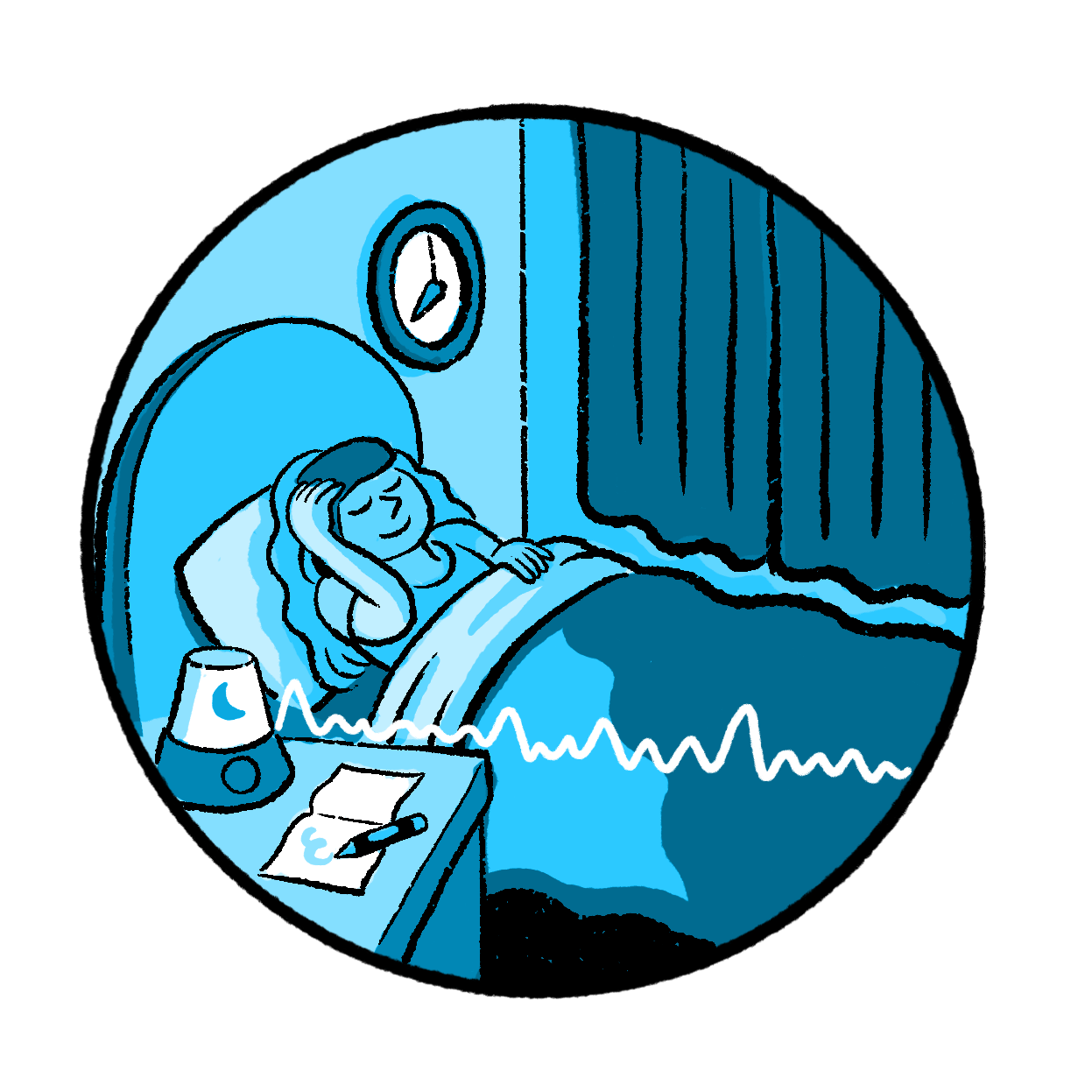
Recommendations to Improve Sleep in Practice
Case Scenario
A 10-year-old girl, “Cindy,” is having difficulty falling and staying asleep. Cindy reports that she cannot calm her body enough to fall asleep. Her parents report that she is tired during the day and takes naps after school.
The family has lived in an apartment for the past month while their home is remodeled because of water damage associated with a flood.
Follow-Up Questions
- How long have the sleep problems been present?
- How do Cindy’s parents typically respond to her sleep difficulties?
- What does Cindy’s bedtime routine include, and at what time does she go to bed?
- What is the bedroom environment like?
- What does Cindy do when she wakes during the night?
Recommendations
- Establish a predictable bedtime routine. Cindy should go to bed when drowsy but still awake. Beginning at least one hour before bedtime, she should follow a structured routine that includes relaxing activities such as bathing, coloring, diaphragmatic breathing, or progressive muscle relaxation. Video games should be avoided during the hour before bedtime.
- Create a sleep-supportive environment. Remove interactive toys from Cindy’s bed and keep the room cool and dark. A nightlight may be used if needed. Although the apartment is temporary, personalize the room with familiar items such as stuffed animals, pictures, posters, or other representations of Cindy’s interests.
- Respond consistently to nighttime wakefulness. If Cindy remains awake for approximately 20 minutes, she can leave the bed and engage in a quiet, minimally stimulating activity, such as looking through a previously read magazine. She can return to bed when drowsy.
- Support daytime sleep pressure. Encourage daily physical activity and avoid after-school naps.
- Use a calm, nonpunitive approach. Cindy’s parents should respond to sleep difficulties calmly and without punishment. Worries should be discussed and processed earlier in the day rather than immediately before sleep.
Additional Information
Training and Clinical Guides
- CBT-I Educational Products and Training
- Cognitive Behavioral Treatment of Insomnia: A Session-by-Session Guide
Journal Articles
- Cognitive Behavioral Therapy for Insomnia in School-Aged Children and Adolescents
- Efficacy of Cognitive Behavioral Therapy in Children and Adolescents with Insomnia: A Systematic Review and Meta-Analysis