Pediatric Behavioral Health in Disasters
5. Mitigation
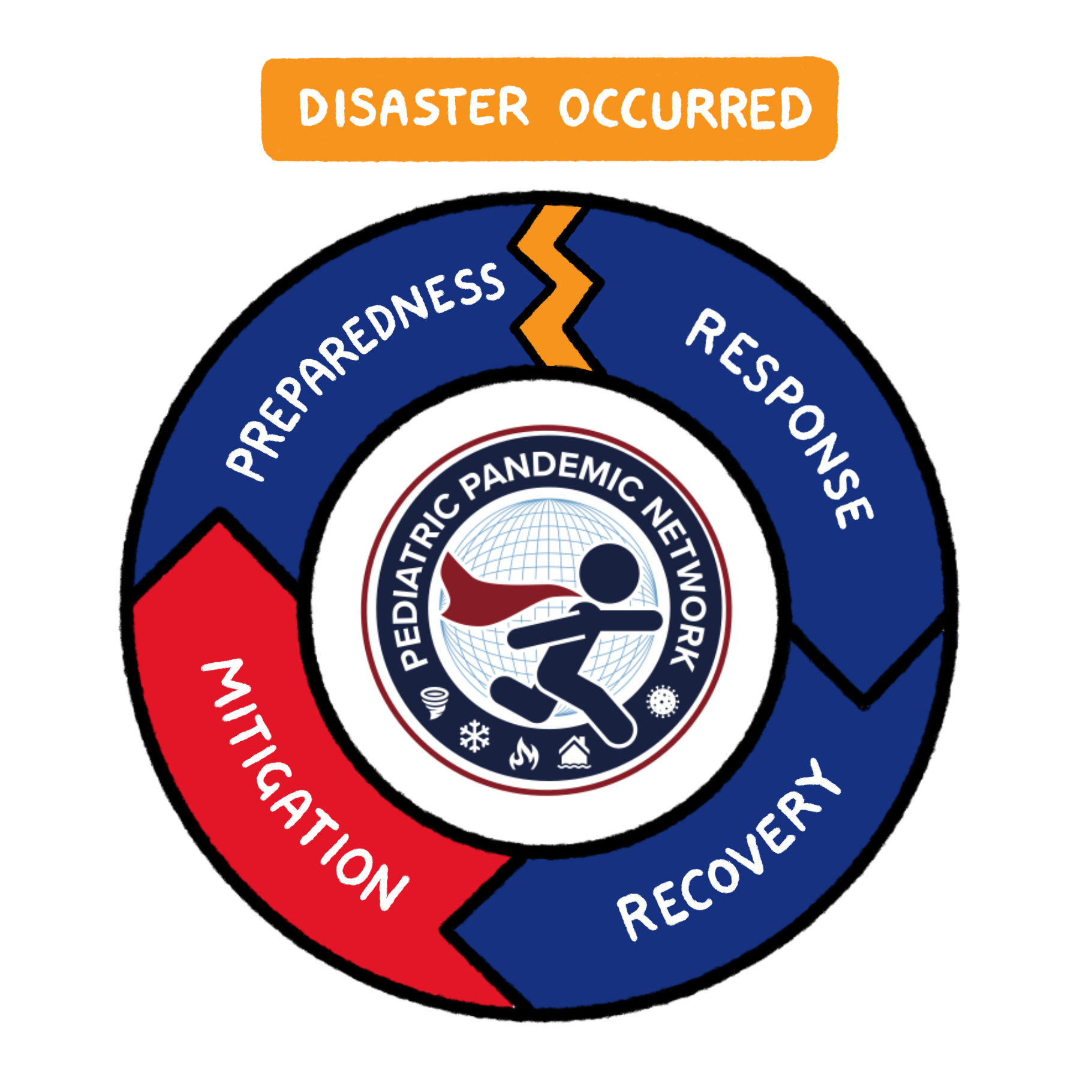
Mitigation strategies are used to reduce the causes, effects, and consequences of a disaster. Trauma-informed systems of care can mitigate trauma and support resilience by recognizing how trauma affects social, emotional, and physical functioning.
Trauma-informed approaches can improve patient engagement, treatment adherence, and health outcomes while reducing provider stress and burnout.
The American Academy of Pediatrics (AAP) provides recommendations for using a systems-based approach to prepare for the needs of infants, children, and adolescents. Review Building an Effective System of Care to Address Emerging Threats to Infants and Children to learn how systems can collaborate and identify opportunities to strengthen disaster preparedness and response.
Working with Systems
Systems in which children live, learn, receive care, and play should be trauma-informed. These systems include emergency departments, medical homes, ambulatory settings, schools, and community organizations.
A trauma-informed system acknowledges that children may currently be experiencing trauma or may have been exposed to previous traumatic events, including natural, biological, or human-caused disasters.
The Substance Abuse and Mental Health Services Administration resource SAMHSA’s Concept of Trauma and Guidance for a Trauma-Informed Approach identifies four key assumptions for establishing a trauma-informed system of care.
The Four Rs of a Trauma-Informed Approach
- Realize: Understand the widespread effects of trauma and recognize potential pathways to recovery.
- Recognize: Identify signs and symptoms of trauma in patients, families, staff, and others involved with the system.
- Respond: Integrate knowledge about trauma into organizational policies, procedures, and practices.
- Resist retraumatization: Avoid policies and practices that may unintentionally trigger or recreate aspects of previous traumatic experiences.
For more information about implementing trauma-informed systems in medical settings, review the National Child Traumatic Stress Network resource Trauma-Informed Integrated Care for Children and Families in Healthcare Settings.
Actionable Steps
The World Health Organization has recognized that physician-centered individual care and hospital-based programs alone are insufficient to achieve global health goals. A population-based approach can provide multiple levels of intervention to address the physical and mental health needs of an entire population.
Behavioral health clinicians can help mobilize and prepare the workforce to meet the psychological needs of children exposed to disasters. Areas for education and workforce development include:
- Risk and resilience factors
- Trauma reactions in children and adolescents
- Collective trauma
- Vicarious and secondary trauma
- Trauma-informed organizational policies and practices
Consider how your organization can incorporate trauma-informed education, workforce support, and behavioral health expertise into its disaster mitigation and preparedness plans.
Learning Objectives
- Identify three ways behavioral health clinicians can support a trauma-informed system of care in a medical setting.
- Recognize common warning signs associated with trauma exposure.
- Identify three behavioral health interventions that can be incorporated into a primary care office’s disaster mitigation or preparedness plan.