Pediatric Behavioral Health in Disasters
4. Recovery
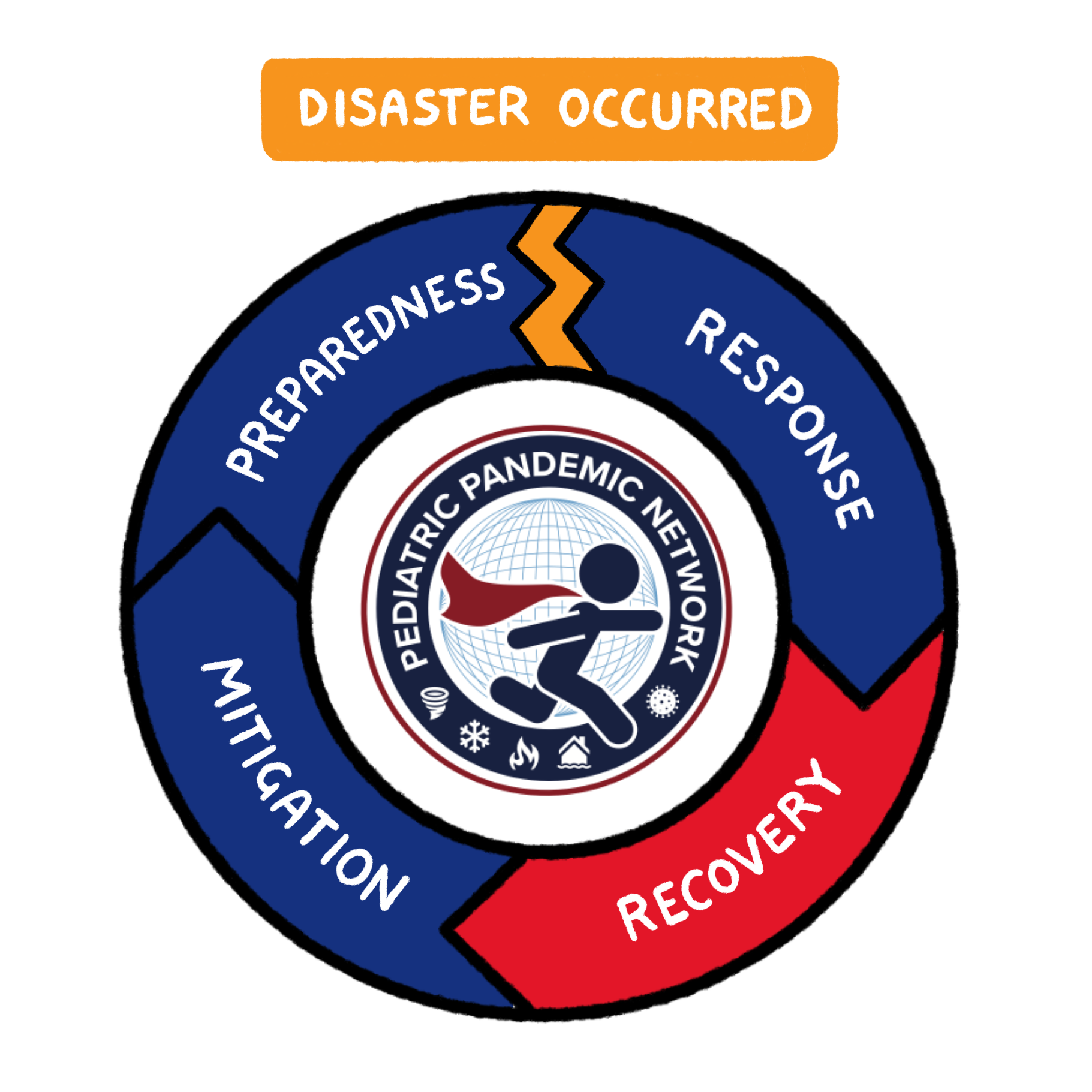
Recovery strategies involve stabilizing and restoring behavioral health supports through a coordinated effort to help children and families return to their pre-disaster level of functioning or adjust to a new normal.
Building Hope and Supporting Family Recovery
Behavioral health clinicians can help families understand that recovery is possible. Appropriate interventions can mitigate the physical and mental health effects of toxic stress.
It may be helpful to explain that neural plasticity, also called brain plasticity, allows neural networks in the brain to change through growth and reorganization. With continued support and opportunities to heal, the brain can develop new pathways.
Treatment does not attempt to erase the trauma. Instead, it helps the patient understand the experience as one part of their history rather than the entirety of their story.
Families should know that evidence-based interventions are available to treat posttraumatic stress disorder, anxiety disorders, and depressive disorders. Therapy can help patients move from cognitive distortions and negative thoughts toward more adaptive ways of managing overwhelming feelings, thoughts, and triggers.
Licensed Behavioral Health Interventions
Trauma-focused therapies use a variety of techniques to help children process traumatic experiences. Some techniques involve creating a trauma narrative to reduce reactivity when recalling the event. Others focus on restructuring cognitive distortions, changing unhelpful trauma-related beliefs, resolving grief, and integrating positive memories.
Examples of trauma-focused interventions include:
- Trauma-Focused Cognitive Behavioral Therapy (TF-CBT)
- Trauma and Grief Component Therapy for Adolescents (TGCT-A)
- Eye Movement Desensitization and Reprocessing (EMDR)
These treatment approaches incorporate coping skills for affect modulation and support family attachment and safety. Interventions may differ in their recommended age ranges, individual or group format, and level of caregiver involvement.
Treatments targeting specific trauma-related symptoms, such as sleep disruption, may also support recovery. Examples include Cognitive Behavioral Therapy for Insomnia (CBT-I) and Imagery Rehearsal Therapy (IRT).
Actionable Steps
Determine what training is required to provide evidence-based trauma interventions. Identify online and in-person training opportunities as well as follow-up consultation that supports fidelity to the selected treatment model.
Share information and resources with patients and families to help them participate in evidence-based treatment. Training and treatment resources include:
- TF-CBT Web 2.0 Training
- TF-CBT Certification Program
- California Evidence-Based Clearinghouse: Child and Adolescent Trauma-Treatment Interventions
- California Evidence-Based Clearinghouse: EMDR Resources
Consider which evidence-based intervention best matches your clinical role, patient population, training, and opportunities for ongoing consultation.
Learning Objectives
- Identify three strategies associated with imagery rehearsal that can improve sleep.
- Identify key components of CBT-I and relevant training resources.
- Describe the core components of TF-CBT, including the PRACTICE model.