Child Reunification Considerations for Communities
5. Raise Awareness, Communicate, Educate, and Drill
Building Awareness and Understanding
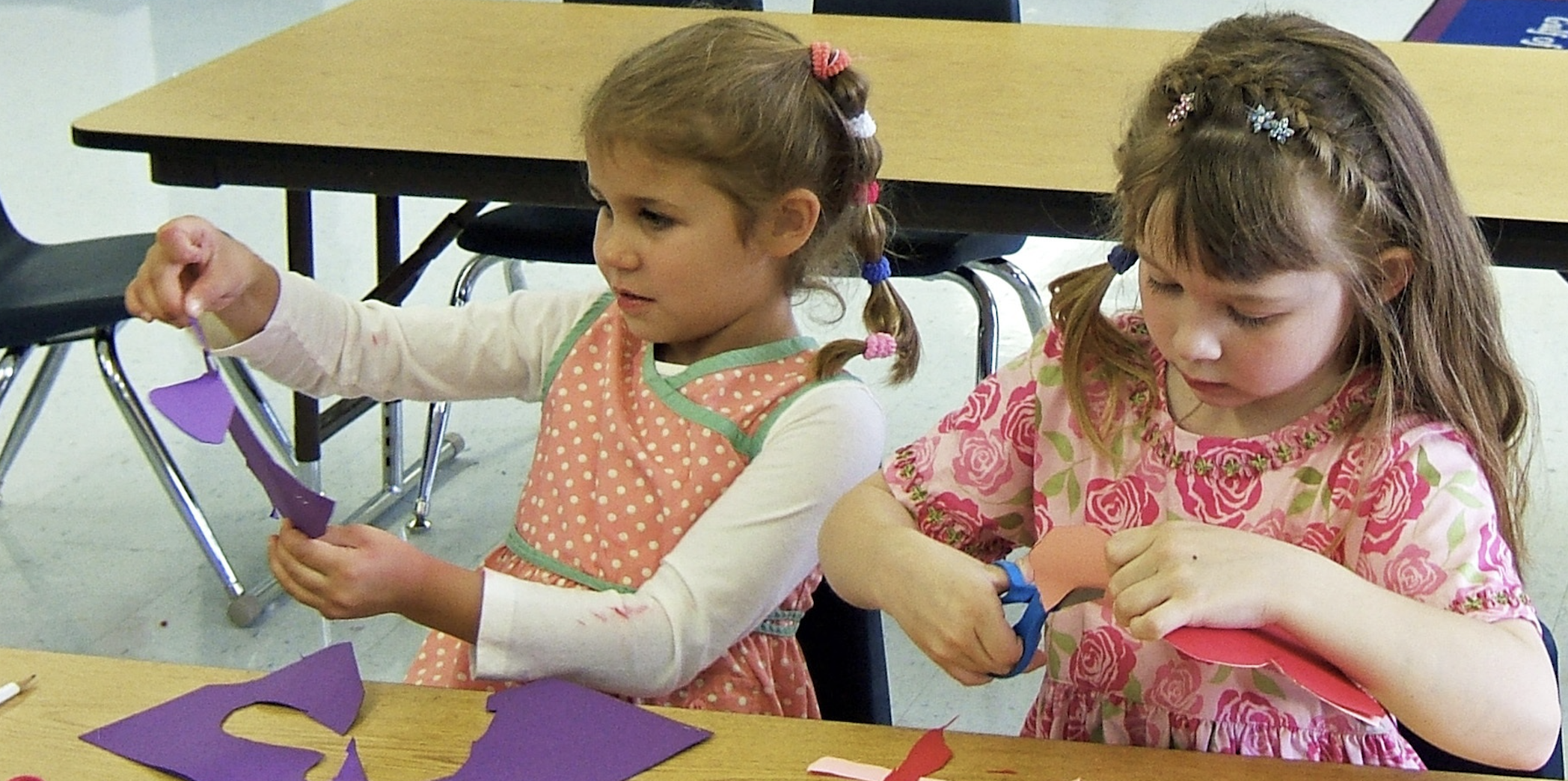
Community reunification planning should include education about child-specific considerations and how they affect reunification operations. All participating organizations should understand children’s unique needs during emergencies and the role each partner plays in supporting them.
Open, respectful conversations led by trusted child-focused professionals can uncover challenges that may not be apparent in written plans. Planning discussions should address practical factors such as:
- Appropriate staffing levels and staff qualifications
- Expected response and reunification timelines
- Child-focused facilities, supplies, and support services
- Developmentally appropriate communication
- Custody verification and child-release procedures
- Coordination with child-serving organizations
Addressing these factors supports collaborative planning that can adapt to the changing needs of children and families.
Community Education and Outreach
Child-focused preparedness can be strengthened through existing education and outreach programs. Communication methods and materials should be accessible to all families, including people with limited English proficiency and individuals with access and functional needs identified through community assessments.
Potential outreach partners include:
- Emergency management agencies
- Public health departments
- Schools serving students from prekindergarten through high school, including homeschool networks
- Childcare centers, preschools, and early childhood programs
- Foster care and child welfare agencies
- Community and family support centers
- Health care coalitions, hospitals, and health systems
- Law enforcement, fire services, and emergency medical services
- Traditional and social media organizations
Coordinating Public Messaging
Coordinated outreach is essential to educate the public and emergency responders about child reunification procedures. Engaging organizational leaders and public information or communication officers before an emergency helps ensure that messages are accurate, consistent, accessible, and trusted.
Integrating Children into Drills and Exercises
Community drills and exercises should include child-focused considerations. Scenario-based training allows partners to validate responsibilities, test coordination, and identify operational gaps involving:
- Unaccompanied minors
- Identity and custody verification
- Child supervision and safe-area operations
- Accessible and developmentally appropriate communication
- Children with disabilities or special health care needs
- Coordination with child welfare and other child-serving agencies
- Safe release and documentation procedures
After-action reviews should specifically evaluate these child-focused issues. Assign corrective actions, responsible parties, and completion timelines, and incorporate improvements into the reunification plan.