Pediatric Disaster Behavioral Health (PDBH) Toolkit
5. Response & Recovery (Just-in-Time Implementation)
5.5. Phase-based Recommendations
This section provides an overview of considerations related to the disaster phases and their impact on pediatric disaster behavioral health (PDBH). Using a phase-based model during preparedness can help children’s hospitals plan for surge, anticipate needs at each phase, and align behavioral health strategies with operational objectives.
It is strongly recommended, in addition to these phase-based considerations, to review the Key Principles & Assumptions section of this toolkit to inform broad response and recovery strategies.
What are disaster behavioral health phases and how do they apply to PDBH?
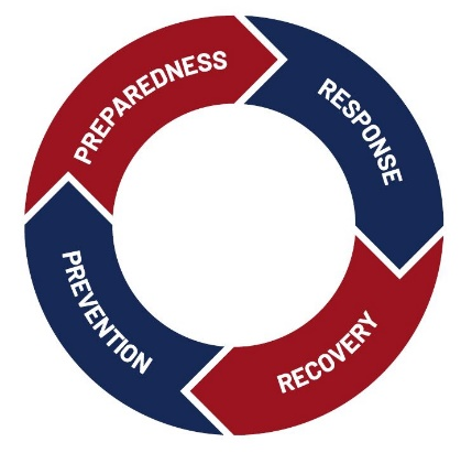
Figure 8. Phases of the Disaster Cycle
Understanding the disaster cycle (Fig 1) helps clarify how individuals, communities, and systems experience behavioral health impacts over time. While each disaster is different, this framework highlights key phases that can guide planning and support tailored, timely interventions for children and families.
These models and patterns are highly flexible and varied based on several factors that include but are not limited to the nature of the hazard, the scope and scale of the disaster including multiple disasters within a short timeframe (“cascade”), the resource variability and available supports within the impacted communities, and the preparation that has been done ahead of the emergency or disaster to mitigate the effects of the impact.
Response planners need to simultaneously appreciate that there are both a series of individual trajectories, and community impacts that are useful to think through particularly as they may relate to mental and behavioral health ‘surge’ after some time goes by (months), including pediatric considerations in all phases.
Phase models have been developed in several ways to help enlighten our understanding of how the behavioral health impacts from disasters change over time. Certainly not all individuals or communities are equally at risk or equally impacted, and not all disasters will bring the same results.
Examples include the Zunin / Meyers model40 :
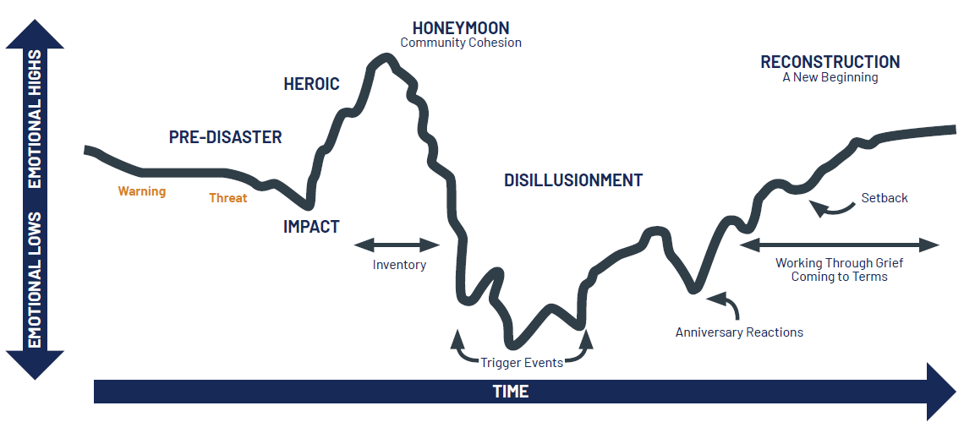
Figure 9. Disaster Behavioral Health Impacts over Time
And the Adaptive Response to Cyclical Disasters Model41 :
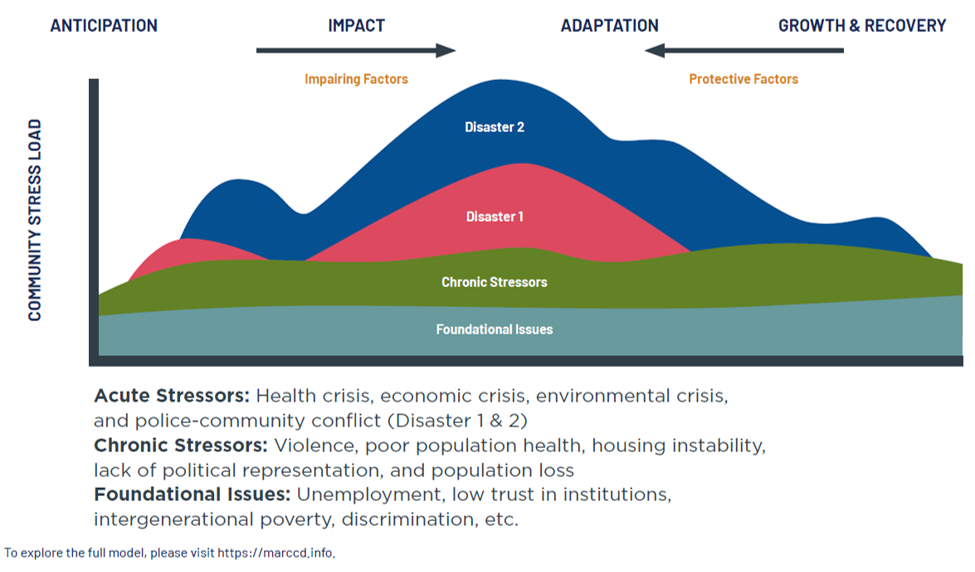
Figure 10. Adaptive Response to Cyclical Disasters Model
How does understanding phases of recovery influence planning and response?
An understanding of behavioral and behavioral health responses and reactions on a community or population level can help response planners share information about time- and longitudinal related risks and surge in hospitals, clinics, and other systems of care. Depending on the nature and complexity of the hazard itself, each phase may lend itself to an emphasis on certain resource allocation, development, or training. Broadly, the line on the graph in Figure 11 below is representative of ups and downs in general community level behavioral health and symptomology, often informed by population level data and surveillance monitoring related to health (surveys), emergency dept use, substance use data and other sources including those found in the Monitoring and Surveillance of Behavioral Health in the Context of Public Health Emergencies toolkit.
This model reflects a broad and generalized disaster behavioral health experience for communities impacted by disasters. As noted previously, this is a conceptual model, and the exact trajectory of a community, along with both individuals and groups in that community, will vary depending on the hazard and community factors. This timeline should not be interpreted to represent exact times for various phases and associated mental and behavioral health impacts and surge, but rather a simplified overview to assist with planning and response.
Summary of phase related impacts to response and recovery efforts (See also Figures 11 and 12 below):
- Do not be surprised if the demand for behavioral health supports and services is not high in the initial response period.
- Expect both behavioral health symptoms within the community and some initial demand for services, with a potential spike in demand after resources leave the community approximately 3-9 months post-disaster.
- Prepare for an increase in behavioral health symptomatology and potential increase in demand for services around certain dates, such as anniversary of the incident, or triggering events, such as additional disasters (similar other reminders) or “close calls.”
- Recognize that the behavioral health supports and services will very likely need to change over time to remain appropriate for the recovery process. While psychological first aid can be helpful in the initial incident, behavioral health needs are likely to be more severe in acuity later in these phases and may require more intensive interventions, such as TF-CBT (see Fig 4 below for examples).
General population and group level behavioral health reactions in disasters.
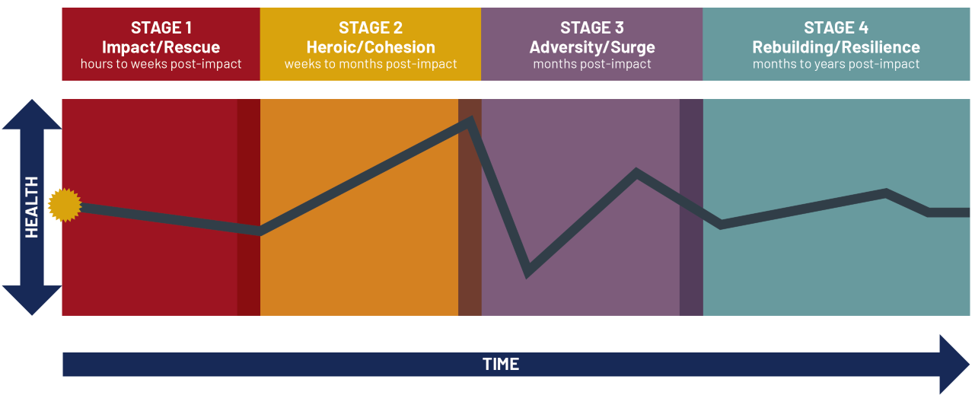
Figure 11. General population and group level behavioral health reactions in disasters
Phase related considerations for planners
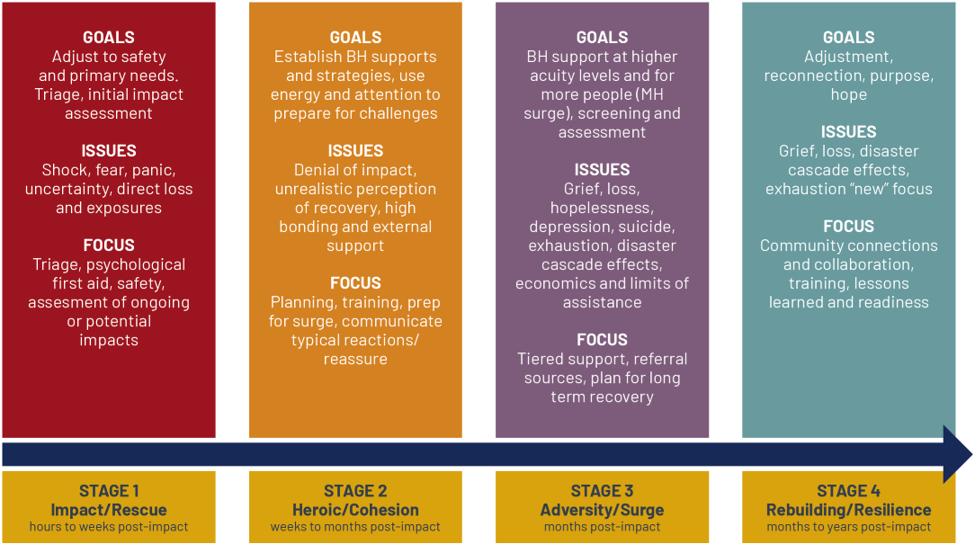
Figure 12. Phase related considerations for planners
Within each phase, pediatric medical, mental, and behavioral impacts should be embedded in planning, response, and recovery. Examples in Figure 13 below.
Examples of Phase related Recommendations for Interventions
| Stage 1 Impact / Rescue Interventions |
Stage 2 Heroic / Cohesion Interventions |
Stage 3 Adversity / Surge Interventions |
Stage 4 Rebuilding / Resilience Interventions |
| PsySTART, Acute Stress Checklist22 , or other triage and prioritization tools | Healing After Trauma Skills (HATS) | Trauma-Focused Cognitive Behavioral Therapy (TF-CBT) | Trauma-Focused Cognitive Behavioral Therapy (TF-CBT) |
| Listen, Protect, Connect | Cognitive Behavioral Therapy for Acute Stress (CBT for ASD) | Cognitive Behavioral Intervention for Trauma in Schools (CBITS) | Cognitive Processing Therapy (CPT) |
| Psychological First Aid | Child and Family Traumatic Stress Intervention (CFTSI) | Eye Movement Desensitization and Reprocessing (EMDR) | |
| Behavioral health First Aid | Health Support Team | Skills for Psychological Recovery (SPR) | |
| Skills for Psychological Recovery (SPR) |
Figure 13. Examples of Phase related Recommendations for Interventions
A more detailed description of each stage is included here – including the key considerations for pediatric disaster behavioral health response and recovery efforts.
Stage 1 (Impact / Rescue: hours to weeks post-impact):
- Clinical / Tactical GOALS & ISSUES: Adjust to safety and primary needs, triage for both medical and psychological impacts, initial impact assessment, resource allocation relative to basic needs (food, shelter, water, etc.). Issues include shock, fear, panic, uncertainty, direct loss, and trauma exposures, “Medically Unexplained Physical Symptoms” (MUPS)- headaches and stomachaches.
- Clinical / Tactical FOCUS: Medical and psychological triage, Psychological First Aid, safety, assessment of ongoing or potential threat, information and support for parents and caregivers about impacts on their children and themselves.
- Emergency Management Considerations: Initial mission and scope, initial impact assessment, understand trends and characteristics of disaster behavioral health to prepare (see Key Assumptions & Principles), get involved in into the formal response efforts NOW!
Stage 2 (Heroic / Cohesion: Weeks to months post-impact):
- Clinical / Tactical GOALS & ISSUES: Establish behavioral health supports & strategies based on assessment of community resilience factors and resources; use community energy and attention to prepare for coming challenges. Leverage professional and community supports. Issues include denial of impact, unrealistic perception of recovery, high bonding & external support, lack of resources to need matching (too much ‘help’ in the wrong places). At-risk communities or groups (such as children and youth) may be particularly vulnerable during this time.
- Clinical / Tactical FOCUS: Planning, training, preparation for behavioral health surge, communicate typical reactions, and reassure and provide education about what is “normal” in an “abnormal” event to all who might be supporting children and their parents/caregivers
- Emergency Management Considerations: Establish update tempo for data/input à revised strategies, prepare for the surge NOW despite likely low initial demand, ensure response integration (internal/external), establish strategy to engage offers for support (individual/agency) later when needed
Stage 3 (Adversity / Surge: Months post-impact):
- Clinical / Tactical GOALS & ISSUES: Behavioral health support is provided at higher acuity levels and for more people (MH surge), screening & assessment as needed, and referral sources available to provide effective evidenced-based interventions.
- Nuanced, tailored and culturally appropriate supports for at risk and special groups / populations (rural communities, children/youth, children and youth with special health care needs, etc.)
- Be mindful of assumptions -- Behavioral health supports and interventions should be based off ongoing assessments about what the community is doing well and already has in
- Primary issues include grief, Loss, Hopelessness, Depression, Suicide, Exhaustion, Disaster cascade effects (economics & limits of assistance). Reduce stigma by acknowledging that these complex emotions are common
- Clinical / Tactical FOCUS: Tiered and appropriate levels of support, garnering vetted referral sources, plan for long-term recovery
- Emergency Management Considerations: Continue cycle of updated situational awareness and new strategies, manage the surge coming now, prepare for long-term recovery
Stage 4: (Rebuilding / Resilience: months to years post-impact):
- Clinical / Tactical GOALS: Recovery to pre-disaster baseline or better behavioral health functioning. Assisting with adjustment, Reconnection to community and supports, Care provision for higher-risk groups with nuanced and culturally appropriate resources. Development of purpose, hope moving forward.
- Clinical / Tactical ISSUES: Grief, Loss, Disaster cascade effects, Exhaustion, “new” focus and apathy towards change and adaptation (disaster fatigue).
- Clinical / Tactical FOCUS: Community Connections and Collaboration between groups with varying resources (e.g., schools and hospitals). Training, ongoing educational support around disaster recovery expectations. Lessons Learned / Readiness
- Emergency Management Considerations: Manage long-term recovery efforts and connect, strengthen partnerships gained, leverage lessons learned into meaningful readiness.