Pediatric Disaster Behavioral Health (PDBH) Toolkit
5. Response & Recovery (Just-in-Time Implementation)
5.4. ICS & HICS Integration
This section includes both an overview and checklist for key integration points for Incident Command Systems (ICS) and Hospital Incident Command Systems (HICS) along with a proposed team structure and roles for a HICS PDBH Operations Group.
Why ensure integration of pediatric disaster behavioral health efforts into ICS/HICS?
It is critical for effective coordination of agency activities, improved situational awareness, and effective engagement with the impacted community. Furthermore, adequate staffing and integration into other key functions (such as family reunification) often requires ICS/HICS integration.
Where should integration happen, and how?
This section will briefly describe key integration points within ICS/HICS systems and Hospital/Incident Management Team (HIMT/IMT) structures, in addition to providing an example organizational approach for a Pediatric Disaster Behavioral Health (PDBH) operational team. Beyond the operational team structure outlined later in this section, a HIMT/IMT may be supported with subject matter expertise by activating a Medical-Technical Specialist position focused on pediatric behavioral health. This role may be assigned to a variety of IMT sections.
It is the assumption and recommendation of this toolkit that pediatric disaster behavioral health activities are integrated into the ICS/HICS planning process and structure. If not already integrated, it is imperative to connect and coordinate with emergency management or the established ICS/HICS leadership. Each integration point identified should be addressed while initiating a PDBH response/recovery effort. The sooner this occurs in the incident the better.
Key integration points within the HICS structure and processes:
| Integration Point | Key Actions & Considerations |
| Mission Development |
Determine if pediatric behavioral health is considered a priority component of the agency’s mission. Describe how it is being considered and identify specific objectives for this response/recovery effort.
Clarify whether the agency’s role is solely limited to their own operations or if they serve as a community leader or facilitator. Identify how this may change response/recovery objectives.
|
| Operations Section |
Pediatric Disaster Behavioral Health Operations – Define the strategies and teams needed to achieve pediatric disaster behavioral health objectives. Describe how they are integrated into the Operations Section and identify their resource and support needs (potential shared role with Technical Specialists).
Support Activities & Expertise – Identify which response functions could benefit from pediatric disaster behavioral health expertise and describe how these functions can best be supported (e.g., family reunification, isolation and quarantine support, decontamination, staff wellbeing).
|
| Planning Section |
Situational Awareness – List the key indicators required to maintain situational awareness of behavioral health impacts. Indicate whether these indicators change over time and how they are communicated, including frequency.
|
| Logistics Section |
Staff Support – Identify well-being, resilience, and support activities to be conducted in support of response staff.
Staff Clinical Support – Determine how to support the confidence and competence of health care staff meeting patients/families post-disaster. Identify what they need (e.g., talking points, calming strategies).
|
| Safety Officer |
Expertise – Provide recommendations to support staff health, such as work-rest ratios.
|
| Liaison Officer |
Community Connections – Identify who should be connected with or supported as part of the pediatric behavioral health mission. List existing partnerships and pediatric areas of service (e.g., local pediatric primary care, pediatric specialties, schools, behavioral health organizations).
|
| Public Information Officer |
Expertise – Incorporate disaster behavioral health recommendations and concepts into public messaging. Identify what should be included or avoided.
|
| Technical Specialists |
Expertise – If not integrated into Operations, behavioral health subject matter experts may be assigned as a Technical Specialist to serve as an on call technical support to HICS teams.
Resources – List the key pediatric disaster behavioral health resources needed for this incident (materials, information, staff, etc.). Identify how to access these resources to support the mission.
NOTE: If there are disaster behavioral health teams in the Operations Section, this should be conducted in support of those team’s operational planning processes.
|
PDBH Operational Group - Example Organizational Approach within HICS
This section provides an overview of a potential structure for a Pediatric Disaster Behavioral Health (PDBH) Operational Group. This is only an example, and teams may be structured in many different ways using ICS/HICS principles. A list of additional resources and potential team structures can be found at the end of this section.
In general, members of this team should reference the PDBH Operational Overview Table for in-depth recommendations and resources.
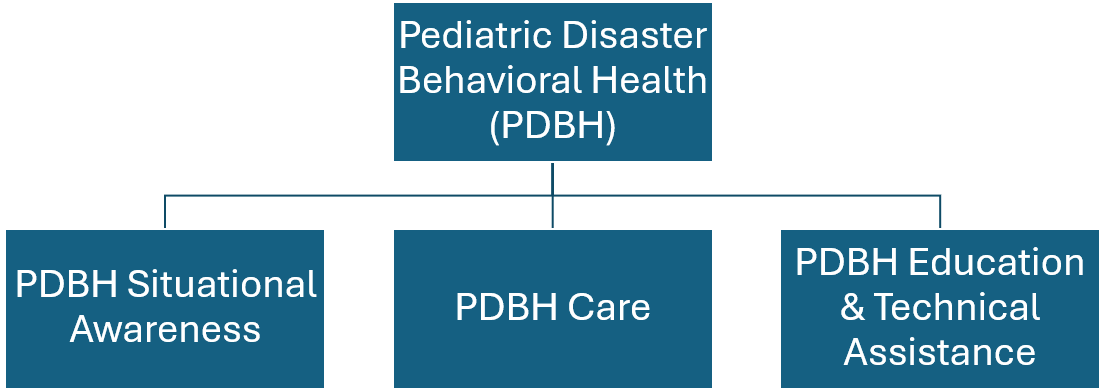
Figure 7. PDBH Operational Group Structure
Pediatric Disaster Behavioral Health (PDBH) Operational Group:
- Purpose: This team is responsible for implementation of the goals and functions outlined in the Pediatric Disaster Behavioral Health Framework. Specifically, the leader of this team is responsible for response/recovery coordination, both internally and externally.
- Structure & Reporting: Within HICS, the team would typically be positioned under the Medical Care Branch, reporting to the Branch Director. If a Behavioral Health Unit is activated, the team would operate within that unit and report to the Behavioral Health Unit Leader. The team will coordinate closely with Operations, Planning, and external partners to support patient, family, and staff behavioral health needs. Within other ICS structures, this operational team may be organized as a Branch, Division, Group, or Task Force depending on incident complexity and scope.
- Consistent with ICS/HICS principles, the structure is scalable and may expand or contract based on operational needs. Any functions not formally delegated remain the responsibility of the team lead.
- Goal: Coordinate behavioral health response and recovery activities across all engaged entities (internal/external) to develop a unified response approach for the impacted community, reduce duplication of services and unmet needs, and remove institutional silos to improve survivors’ access to care and quality of supports.
- Functions:
- Development of response and recovery strategies
- Coordination of internal/external elements of pediatric disaster behavioral health care
- Secures support for team operations, reports to HICS leadership
- Staffing: Appropriate level HICS operational staff based on the size of the team and scope of the incident. Ideally, at least trained and experienced as a Group Supervisor. While disaster response is the key expertise for this role, knowledge of disaster behavioral health will be extremely beneficial.
- The Disaster Mental Health Primer for the HICS Mental/Behavioral Health Lead resource can provide an overview of initial actions and considerations for this role.
- HICS provides a Job Action Sheet for a Behavioral Health Unit Leader which can be adapted to this framework.
PDBH Situational Awareness:
- This individual/team may be placed within an Operational team, such as above, or embedded within a Planning Unit and coordinating extensively with this team. Either approach is ICS/HICS compatible.
- Purpose: This team is responsible for implementing the situational awareness goals and functions outlined in the Pediatric Disaster Behavioral Health Framework.
- Goal: Identify, characterize, and assess both the behavioral health impacts of an incident and the capacity to provide care, both initially and ongoing as the incident progresses.
- Functions:
- Develop and maintain impact, capacity, and gap analysis
- Share situational awareness with response and community
- Staffing: Those trained and able to gather and compile key pediatric behavioral health impacts and details related to the incident (Pediatric Disaster Behavioral Health Essential Elements of Information). This may be staff trained in HICS Planning functions in general, or those with specialized expertise such as a Behavioral Health Epidemiologist.
PDBH Care:
- This individual/team should be placed as an operational team (group, task force, or strike team) as appropriate under the PDBH team.
- Purpose: This team is responsible for implementing the pediatric disaster behavioral health care goals and functions outlined in the Pediatric Disaster Behavioral Health Framework.
- Goal: Mitigate behavioral health impacts by providing the right level of support, at the right time, to both youth and responding personnel, and facilitate a transition to resilience for the community during recovery.
- Functions:
- Decrease barriers to care (access, telehealth, policy, etc.)
- Prioritize and triage existing resources (surge management)
- Increase capacity to provide services (expand, new programs)
- Staffing: This team should be staffed by both operational staff with experience in coordinating programs and delivery of care, and those with the experience and qualifications to deliver pediatric behavioral health care.
PDBH Education & Technical Assistance:
- This individual/team should be placed as an operational team (group, task force, or strike team) as appropriate under the PDBH team. It may also liaison or be connected to the Public Information Officer or associated team.
- Purpose: This team is responsible for implementing the educational and technical assistance goals and functions outlined in the Pediatric Disaster Behavioral Health Framework.
- Goal: Provide education and facilitate a “behavioral health-informed response” by providing subject matter expertise and resources to the impacted community, response staff and leadership, and relevant response functions.
- Functions:
- Trainings and presentations, internal and for community
- Public communication consultations, support
- Resource development such as guidance or fact sheets
- Response consultations to ensure integration of DMH
- Staffing: Ideally, this team will be staffed with pediatric disaster behavioral health experts, educational outreach professionals, and communication staff.
Additional resources and references:
- The PDBH Operational Planning Process can serve as a guide for this team’s activities, both initially and throughout the incident. Meanwhile, the Operational Overview Table can provide more in-depth guidance on how to implement each function and potential resources to do so.
- The Disaster Behavioral Health Response Teams - Overview & Structures appendix provides an overview of various team structures, key features, and examples.
- PPN has compiled a Disaster Mental Health Guide for the HICS Mental/Behavioral Health Lead role. This resource serves as a primer for the role on potential response and recovery strategies and resources.
- The National Children’s Disaster Mental Health Concept of Operations can serve as another model for implementing PDBH planning, response, and recovery activities in alignment with ICS/HICS. This resource is supported with a Just-in-Time Checklist.
- By activating a Medical – Technical Specialist role, an individual with pediatric behavioral health expertise can provide technical assistance across an HIMT/IMT.
- The Medical – Technical Specialist (Pediatric) Job Action Sheet can be adapted to fit a similar role for pediatric behavioral health.
- Refer to the Disaster Mental Health Primer for the HICS Mental/Behavioral Health Lead for a reference of initial actions a team lead should consider.
- HICS provides a Job Action Sheet for a Behavioral Health Unit Leader which can be adapted to the PDBH framework.
- FEMA Behavioral Health Typed Positions
- FEMA has compiled a list of “typed” (formalized, standardized) behavioral health response positions which can serve as models for specific position descriptions.
Typed Positions: Social Worker, Behavioral Health Chaplaincy Specialist, Behavioral Health Community Services Team, Behavioral Health Specialist, Behavioral Health Team Leader
- FEMA has compiled a list of “typed” (formalized, standardized) behavioral health response positions which can serve as models for specific position descriptions.