Management of Prevalent Infections in Children Following a Disaster
3. Integrated Management of Childhood Illness (IMCI)
3.1. IMCI Guidelines
The IMCI charts can be found in the appendix of this module.
The IMCI strategy is divided into 2 components based on the child’s age; management of the sick child aged 2 months up to 5 years and management of the sick young infant aged up to 2 months.
The sick child management includes respiratory disease, diarrhea, febrile illness (malaria), measles, ear infections, malnutrition, anemia, HIV, and immunization status. See Figure 3.
Figure 3. Management of the Sick Child Aged 2 Months Up to 5 Years
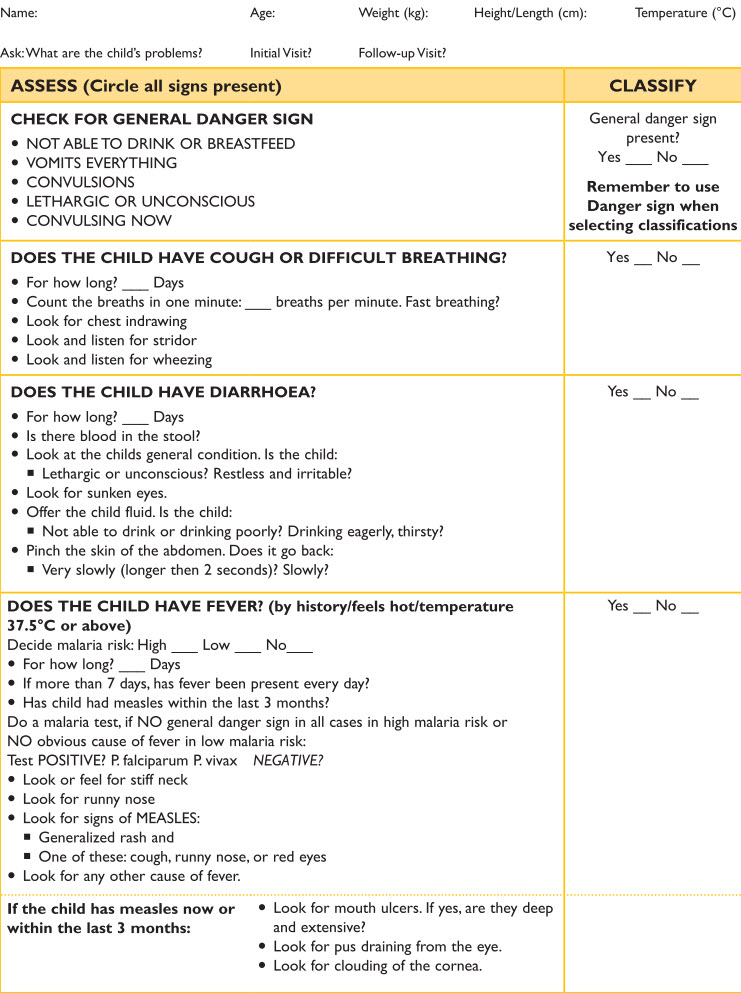
Figure 3. Management of the Sick Child Aged 2 Months Up to 5 Years
Figure 3. Management of the Sick Child Aged 2 Months Up to 5 Years, Continued
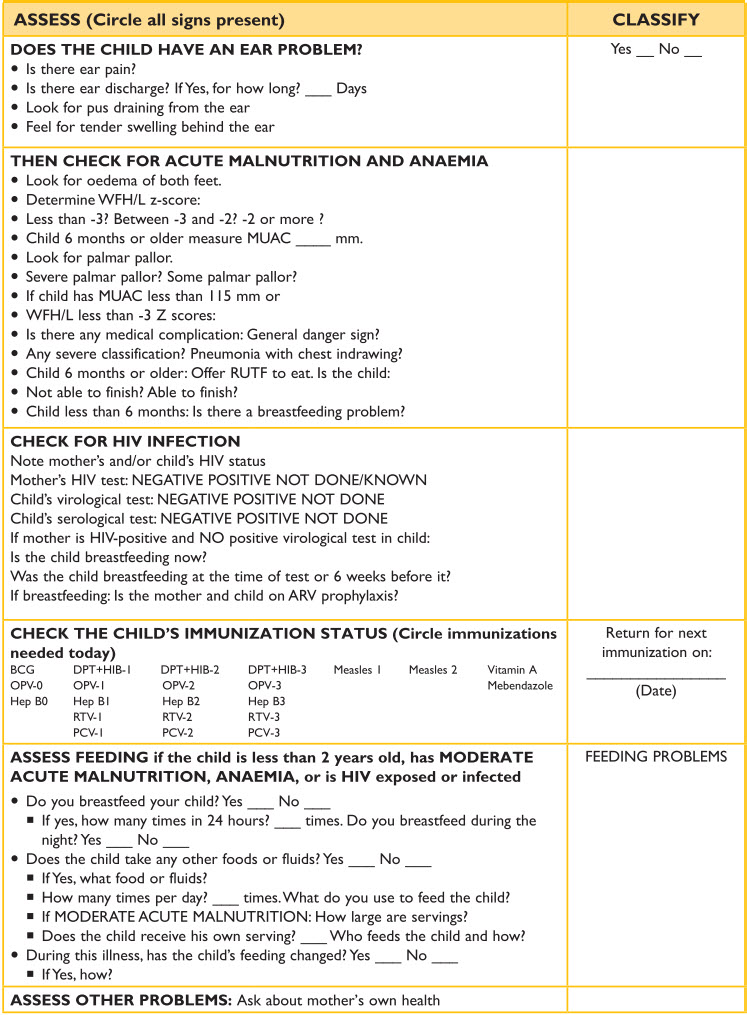
Figure 3. Management of the Sick Child Aged 2 Months Up to 5 Years, Continued
The sick young infant management includes severe disease (respiratory and sepsis), local bacterial infection, jaundice, diarrhea, HIV infection, weight gain, breast feeding and other feeding problems, immunization status and mother’s health. See Figure 4.
Figure 4. Management of the Sick Young Infant Aged Up to 2 Months
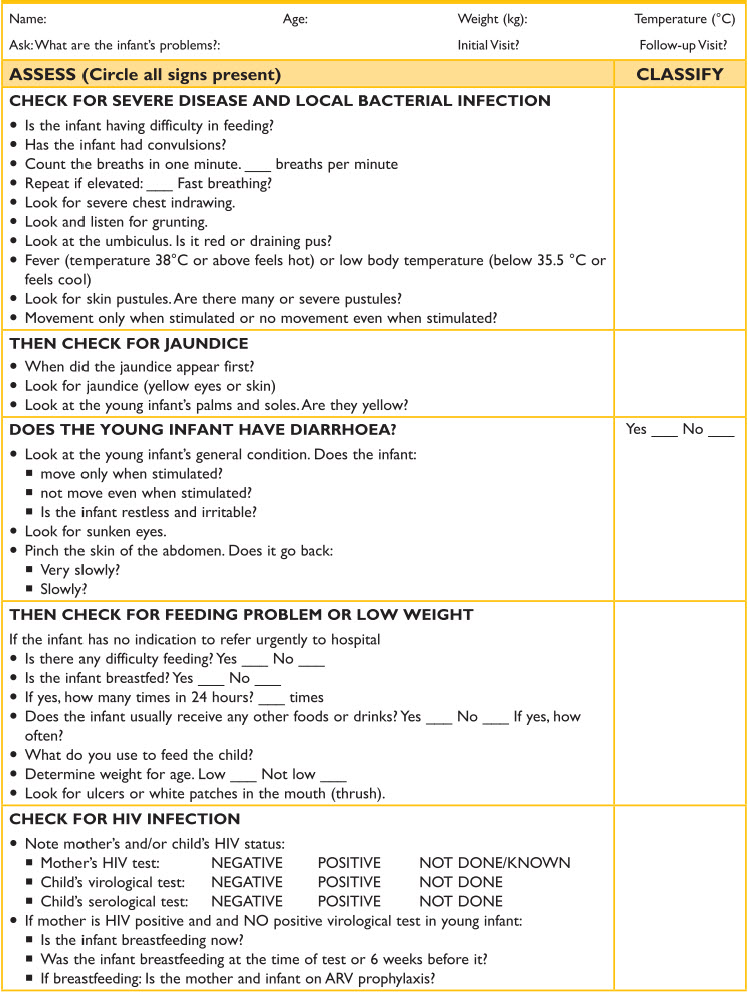
Figure 4. Management of the Sick Young Infant Aged Up to 2 Months
Figure 4. Management of the Sick Young Infant Aged Up to 2 Months, continued
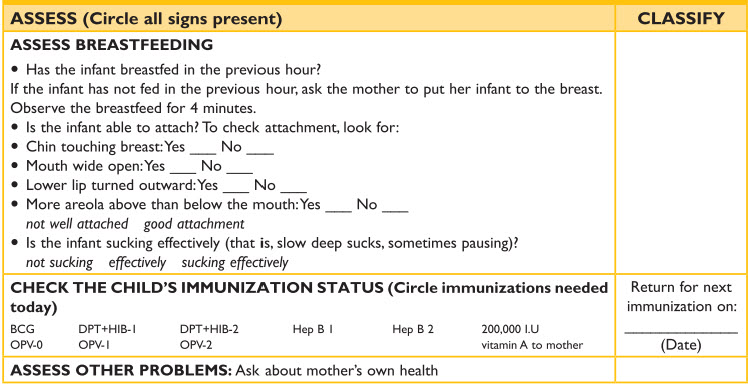
Figure 4. Management of the Sick Young Infant Aged Up to 2 Months, continued
IMCI related research has identified from the traditional clinical history and physical examination a limited number of clinical symptoms and signs, based on evidence of their sensitivity and specificity to detect diseases and predict mortality.
These were selected also considering the available resources in first-level health care facilities. Obtaining the necessary information uses a ask, look and listen training approach. The presence of these more limited symptoms and signs leads to a child’s classification rather than a diagnosis. This classification indicates the severity of the condition, which calls for specific actions based on whether the child (a) needs to be urgently referred to a higher level of care, (b) requires specific treatments, or (c) can be safely managed at home. The classification is color coded: pink requires hospital referral or admission; yellow indicates the need to initiate treatment at home; and green indicates home supportive care management.
Assessment of sick children 2 months to 5 years
The assessment procedure for this age group includes a number of important steps that must be taken by the health care provider: (1) Take a history and talk with the caregiver about the child’s problem; (2) check for general danger signs; (3) assess major symptoms; (4) evaluate nutritional status; (5) assess the child’s feeding; (6) check immunization status; and (7) look for other problems.
Danger signs that should be routinely checked in all children
In the sick child management there are 5 general danger signs: 1. not able to drink or breast feed, 2. vomits everything, 3. convulsions, 4. lethargic or unconscious, and 5. now convulsing. These general danger signs indicate the need for immediate referral to a hospital because they predict serious infections and conditions such as bacterial meningitis, cerebral malaria, and septic shock, which untreated often lead to death.
Seizures are associated with meningitis, cerebral malaria, or other life threatening conditions. However, not all seizures may be life threatening, as some seizures may result from fever. Febrile seizures do little harm beyond frightening the parents.
An unconscious child is likely to be seriously ill. A lethargic child who is awake but does not take any notice of his/her surroundings or does not respond normally to sounds or movement may also be very sick. These signs can be associated with many conditions, including dehydration, meningitis.
Inability to drink or breastfeed. An infant may be unable to drink if he/she is too weak or cannot swallow. Observe the child while the mother breastfeeds or gives him/her something to drink.
Persistent vomiting. Vomiting itself may be a sign of serious illness. This symptom may also prevent the child from taking medications or fluids for rehydration.
A child with one or more of these signs must be considered seriously ill and will require hospital referral. To start treatment for severe illnesses without delay, quickly assess the child for the most important causes of serious illness and death, including acute respiratory infection (ARI), diarrhea and dehydration, sepsis, malaria, and measles.