Management of Prevalent Infections in Children Following a Disaster
3. Integrated Management of Childhood Illness (IMCI)
OBJECTIVES
- Describe the rationale for the WHO evidence-based syndromic approach to case management as described in the IMCI.
- List the clinical illnesses included in the IMCI program and their relevance in situations associated with disasters.
- Assess and classify the condition of a child to determine its severity and establish the relationship between this classification and the subsequent management.
- List the danger signs that should be routinely checked in all children.
What is Integrated Management of Childhood Illness (IMCI)?
The strategy for the IMCI was designed by WHO to enhance children’s health and reduce mortality and morbidity caused by the most prevalent childhood diseases throughout the world, but especially in countries having the highest under 5 mortality rates. The IMCI strategy addresses most, but not all, of the major reasons why a sick child needs medical attention. A child with a chronic condition or a less common illness may require additional special care and IMCI guidelines do not describe the management of trauma or other acute emergencies due to accidents or injuries.
Case 1:
A 15-month-old boy presents at the emergency department with a fever. He had been healthy until 3 days ago, when he developed symptoms of upper respiratory airway infection. His mother reports giving ibuprofen to her son the day before, because of the fever. The child continues to be febrile with reduced food and fluid intake, urine output, and activity level. There is no history of vomiting, diarrhea, cough, or rash. He is not receiving any medication. You note fatigue and irritability when the child is stimulated during the physical examination. Respiratory rate is 50 breaths/min, pulse rate 162 beats/min, blood pressure 92/70 mm Hg, and axillary temperature 38.9ºC. He has dry lips but wet oral mucosa without lesions. His neck is flexible. Lung and heart examination are unremarkable with no significant findings. A few isolated petechiae are noted over the abdomen and lower limbs. Peripheral pulse is normal and capillary refill time is 3 seconds.
- What is your global clinical impression for this boy?
- What is the most probable diagnosis?
- What treatment strategies you should adopt initially?
This IMCI strategy seeks to integrate the acute care for children under 5 years of age across the continuum of clinical services; from community health worker encounters through first level referral health care facilities (camps, medical offices, health care centers and hospital primary care departments) and then in hospitals. The clinical decision making approach involves using a limited number of symptoms and signs to classify the severity of illness, which determines the child’s treatment/management. See Figure 2.
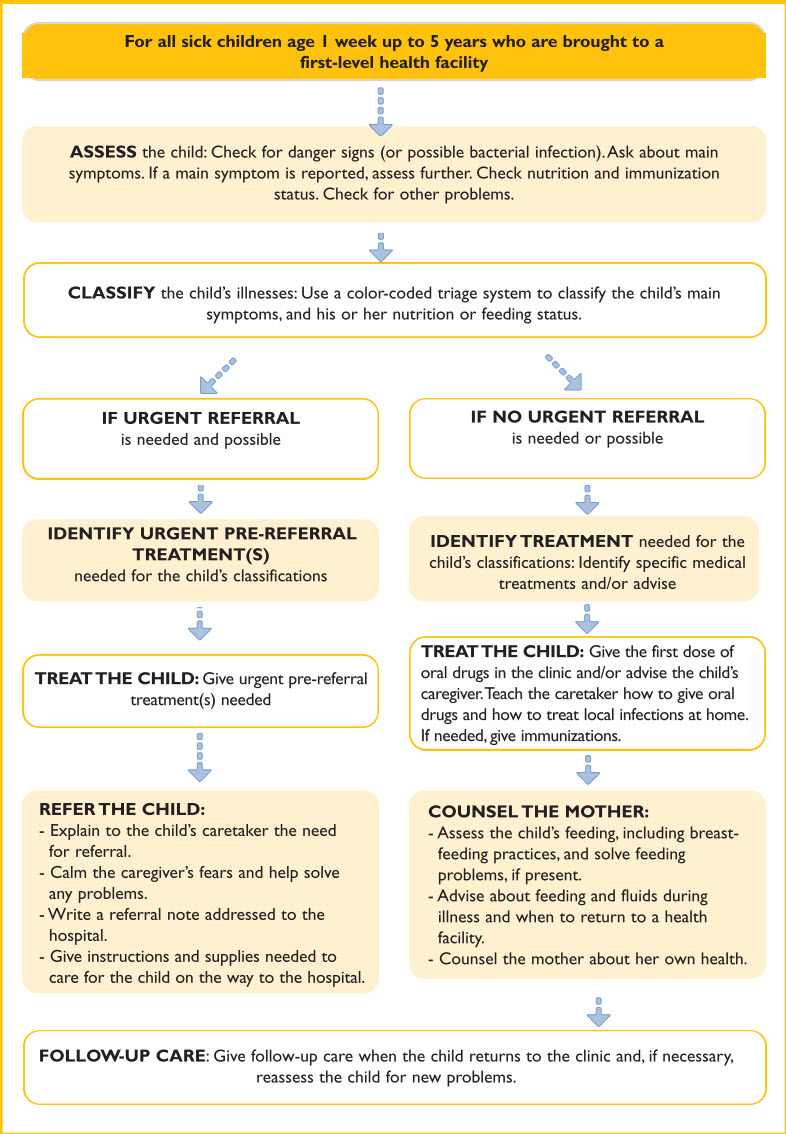
Figure 2. Summary of the process of integrated care of children
IMCI management also includes guidelines for follow-up, counseling the parents, and instructions regarding when to return when additional care is needed. The IMCI approach focuses training and materials on the need to improve parental skills and practices related to care seeking behaviors, the value of preventive services such as immunization and nutrition, and home care of children. The basic principles of IMCI are presented in Box 1.
BOX 1: Principles of the Integrated Clinical Case Management
IMCI clinical guidelines are based on the following principles:
- Examining all sick children aged up to five years of age for general danger signs and all young infants for signs of very severe disease. These signs indicate severe illness and the need for immediate referral or admission to hospital.
- The children and infants are then assessed for main symptoms:
- In older children the main symptoms include:
- Cough or difficulty breathing,
- Diarrhoea
- Fever, and
- Ear infection
- In young infants, the main symptoms include:
- Local bacterial infection,
- Diarrhoea, and
- Jaundice,
- In older children the main symptoms include:
- Then in addition, all sick children are routinely checked for:
- Nutritional and immunization status,
- HIV status in high HIV settings, and
- Other potential problems.
- Only a limited number of clinical signs are used, selected on the basis of their sensitivity and specificity to detect disease through classification.
A combination of individual signs leads to a child’s classification within one or more symptom groups rather than a diagnosis. The classification of illness is based on a colour coded triage system:
- “PINK” indicates urgent hospital referral or admission,
- “YELLOW” indicates initiation of specific outpatient treatment.
- “GREEN” indicates supportive home care.
- IMCI management procedures use a limited number of essential drugs and encourage active participation of caregivers in the treatment of their children.
- An essential component of IMCI is the counselling of caregivers regarding home care:
- Appropriate feeding and fluids,
- When to return to the clinic immediately, and
- When to return for follow-up