Text size
Line height
Text spacing
This book provides a practical, systems-level approach to disaster preparedness and response, emphasizing that effective outcomes depend on planning long before a crisis occurs. It walks through how poorly coordinated “scoop and run” responses can overwhelm hospitals, and instead highlights the importance of structured emergency planning that integrates communities, healthcare systems, and multiple response agencies. Special attention is given to the unique vulnerabilities of children, reinforcing the need to embed pediatric considerations into every phase of disaster planning.
The content moves from foundational planning concepts to real-world execution, covering local emergency plan design, risk assessment, and coordination across families, schools, hospitals, and emergency services. It then transitions into mass casualty management, introducing structured systems for triage, field response, and hospital coordination. Readers learn how organized rescue chains, command systems, and triage algorithms like START and JumpSTART help prioritize care and maximize survival during large-scale emergencies.
What You Will Learn
How to design and evaluate disaster preparedness plans across community, healthcare, and family levels, including risk assessment and resource planning
How to implement mass casualty management systems, including coordinated rescue chains, incident command structures, and surge capacity planning
How to apply triage principles and tools (such as START and pediatric JumpSTART) to prioritize care and allocate limited resources effectively during high-casualty events
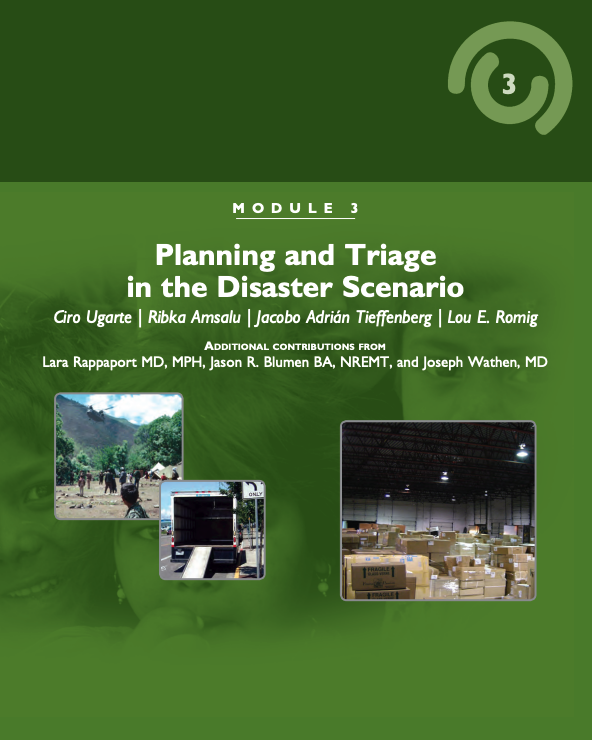
This book provides a practical, systems-level approach to disaster preparedness and response, emphasizing that effective outcomes depend on planning long before a crisis occurs. It walks through how poorly coordinated “scoop and run” responses can overwhelm hospitals, and instead highlights the importance of structured emergency planning that integrates communities, healthcare systems, and multiple response agencies. Special attention is given to the unique vulnerabilities of children, reinforcing the need to embed pediatric considerations into every phase of disaster planning.
The content moves from foundational planning concepts to real-world execution, covering local emergency plan design, risk assessment, and coordination across families, schools, hospitals, and emergency services. It then transitions into mass casualty management, introducing structured systems for triage, field response, and hospital coordination. Readers learn how organized rescue chains, command systems, and triage algorithms like START and JumpSTART help prioritize care and maximize survival during large-scale emergencies.
What You Will Learn
How to design and evaluate disaster preparedness plans across community, healthcare, and family levels, including risk assessment and resource planning
How to implement mass casualty management systems, including coordinated rescue chains, incident command structures, and surge capacity planning
How to apply triage principles and tools (such as START and pediatric JumpSTART) to prioritize care and allocate limited resources effectively during high-casualty events
Select the Continue button to log in or sign up for an account.
Have questions about log-in or sign-up? Please visit our support documentation.
Having trouble accessing content? Please contact us.

