Text size
Line height
Text spacing
Oxygen is classified as a drug because, like a drug, it has distinct physiologic and biochemical actions, effective dosing ranges and well-defined adverse effects when used in high doses. When used as a therapeutic agent, oxygen plays a decisive role in correcting tissue hypoxia, improving myocardial function and accelerating tissue repair through its antiseptic effect in the anti-inflammatory response. Frequent use of oxygen, in comparison to other therapeutic agents, is due to its easy availability and relatively inexpensive material cost. This course introduces the various modes of oxygen delivery and noninvasive respiratory support measures commonly used to manage the pediatric patient's oxygen needs. The purpose and safe administration of common specialty gases is also discussed.
Children's Hospital Association has made Continuing Education (CE) credit available for this activity. Please open the module and select Info for available certificate details.
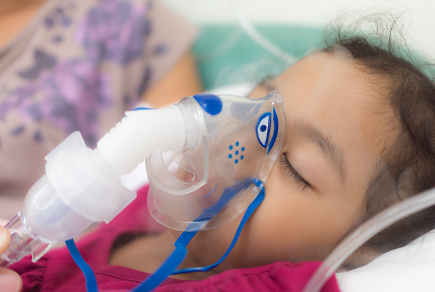
Oxygen is classified as a drug because, like a drug, it has distinct physiologic and biochemical actions, effective dosing ranges and well-defined adverse effects when used in high doses. When used as a therapeutic agent, oxygen plays a decisive role in correcting tissue hypoxia, improving myocardial function and accelerating tissue repair through its antiseptic effect in the anti-inflammatory response. Frequent use of oxygen, in comparison to other therapeutic agents, is due to its easy availability and relatively inexpensive material cost. This course introduces the various modes of oxygen delivery and noninvasive respiratory support measures commonly used to manage the pediatric patient's oxygen needs. The purpose and safe administration of common specialty gases is also discussed.
Children's Hospital Association has made Continuing Education (CE) credit available for this activity. Please open the module and select Info for available certificate details.